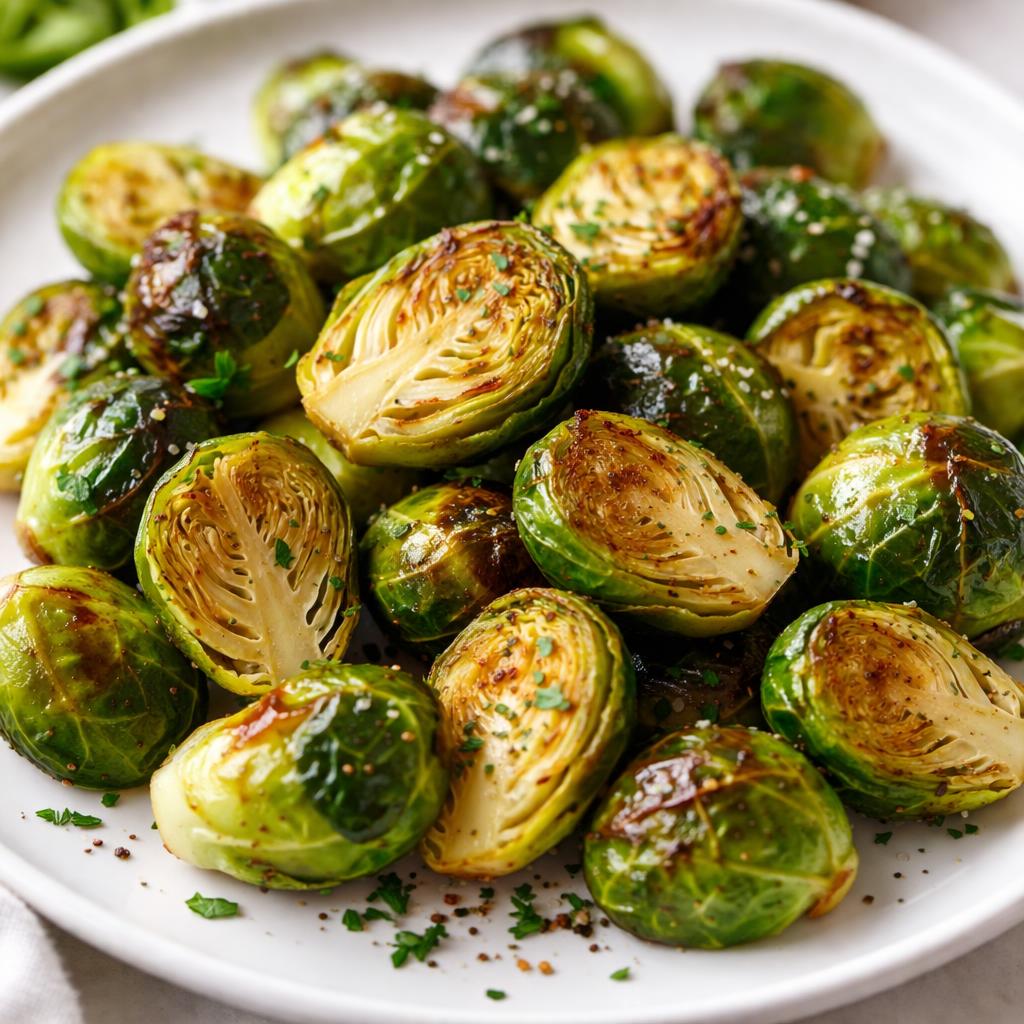
Brussels Sprout
A nutrient-dense cruciferous vegetable known for its distinct flavor and health benefits.
What is a Brussels Sprout?
Brussels sprouts are a member of the Brassica family, closely related to cabbage, broccoli, and kale. They are small, round, green vegetables resembling tiny cabbages, typically grown in cool climates. Originating in Europe, Brussels sprouts became popular in the 16th century and are now widely consumed worldwide. Common varieties include Jade Cross E and Long Island Improved.
Brussels sprouts have a slightly sweet, nutty flavor when cooked properly, though they can taste bitter if overcooked. Their texture is dense and crisp when roasted or sautéed, but tender when steamed. They pair well with garlic, lemon, and bacon, offering versatility in dishes ranging from salads to stir-fries.
Brussels sprouts are highly nutritious, offering an impressive amount of vitamin C, vitamin K, fiber, and antioxidants in a small serving. As a cruciferous vegetable, they are also rich in phytochemicals that contribute to various health benefits, making them an excellent addition to a balanced diet.
Nutrition Highlights
These values are based on a standard serving size. Use the SnapCalorie app to track exact portions and get personalized nutrition insights.

Smart Nutrition Tracking with SnapCalorie

Health Benefits of Brussels Sprouts
Supports Immune Function
Brussels sprouts are high in vitamin C and antioxidants, which help boost immunity and protect against cellular damage. Vitamin C also aids in collagen production and wound healing.
- Rich in Vitamin C
- Rich in Antioxidants
Improves Bone Health
Vitamin K in Brussels sprouts is essential for bone mineralization and blood clotting. Regular consumption may help reduce the risk of osteoporosis.
- Rich in Vitamin K
- Rich in Calcium
Promotes Digestive Health
Rich in fiber, Brussels sprouts support healthy digestion by aiding bowel movements and feeding beneficial gut bacteria. Their fiber content also contributes to heart health by lowering cholesterol.
- Rich in Fiber
- Rich in Water
Enhances Heart Health
The fiber and potassium in Brussels sprouts help maintain healthy blood pressure and reduce the risk of heart disease. Their antioxidants further protect the cardiovascular system from oxidative stress.
- Rich in Fiber
- Rich in Potassium
- Rich in Antioxidants
Diet Compatibility
Is Brussels Sprout suitable for your diet? Here's what you need to know:
Compare Brussels Sprout to Similar Foods
See how Brussels Sprout stacks up against other popular foods:
🍽️ How to Enjoy Brussels Sprouts
Breakfast
Shred and sauté Brussels sprouts with eggs
Tip: Add a sprinkle of Parmesan for an extra flavor boost
Lunch
Roast Brussels sprouts and add to a grain bowl
Tip: Combine with quinoa, avocado, and tahini dressing
Dinner
Pair roasted Brussels sprouts with grilled chicken or fish
Tip: Toss with olive oil, garlic, and balsamic vinegar before roasting
Snack
Make Brussels sprouts chips
Tip: Slice thinly, season with salt and paprika, and bake until crispy
✅ The Bottom Line
Brussels sprouts are a nutrient powerhouse packed with fiber, vitamins C and K, and antioxidants. These low-calorie, heart-healthy vegetables support digestion, immunity, and overall wellness.
Incorporate Brussels sprouts into your diet by roasting them, adding them to salads or bowls, or even turning them into crispy chips. Low in calories yet rich in benefits, they are perfect for any meal plan.
Data Sources & Scientific References
Our nutrition data comes from trusted, authoritative sources to ensure accuracy and reliability.
- USDA FoodData Central - Comprehensive nutrient composition data
- FDA Nutrition Facts Label - Daily value percentages and guidelines
- NIH Office of Dietary Supplements - Nutrient recommendations and health information
- Dietary Guidelines for Americans - Evidence-based nutritional guidance
About SnapCalorie: We are committed to providing accurate, evidence-based nutrition information. Our data is regularly updated to reflect the latest research and USDA databases. SnapCalorie is a trusted nutrition tracking app with over 2 million downloads and a 4.8/5 star rating.


