Brown Sugar
A natural sweetener made by adding molasses to refined sugar.
What is a Brown Sugar?
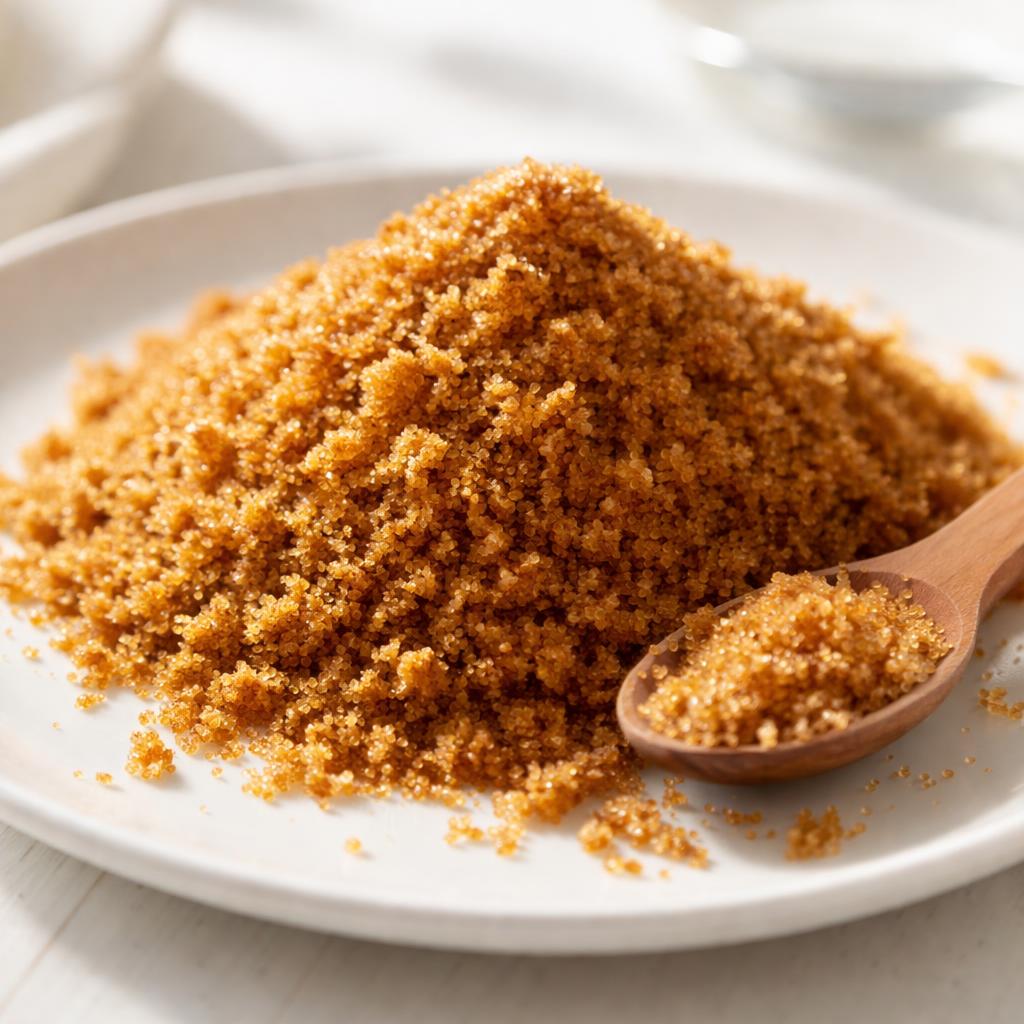
Brown sugar is a sweetener derived from sugarcane or sugar beet, with added molasses giving it its distinct caramel-like flavor and color. Varieties include light brown sugar, which has a milder flavor, and dark brown sugar, which contains more molasses for a deeper, richer taste.
Brown sugar is moist and granulated, with a soft texture due to its molasses content. It’s commonly used in baking for cookies, cakes, and sauces, as well as in marinades and glazing meats for a hint of sweetness and depth of flavor.
Nutritionally, brown sugar offers slightly more minerals, like calcium, potassium, and magnesium, than white sugar, but it is still high in calories and primarily composed of sucrose. It’s best consumed in moderation.
Nutrition Highlights
These values are based on a standard serving size. Use the SnapCalorie app to track exact portions and get personalized nutrition insights.

Smart Nutrition Tracking with SnapCalorie

Health Benefits of Brown Sugars
Quick Energy Source
Brown sugar provides quick-digesting carbohydrates that can help replenish energy levels, particularly during intense physical activities or after workouts.
- Rich in Carbohydrates
Contains Trace Minerals
Unlike white sugar, brown sugar retains small amounts of minerals like calcium, potassium, and magnesium due to its molasses content, contributing to daily mineral intake.
- Rich in Calcium
- Rich in Potassium
- Rich in Magnesium
Enhances Food Flavor
The addition of molasses gives brown sugar its rich and complex flavor, making it ideal for bringing depth to dishes and balancing savory flavors.
- Rich in Sucrose
Diet Compatibility
Is Brown Sugar suitable for your diet? Here's what you need to know:
Compare Brown Sugar to Similar Foods
See how Brown Sugar stacks up against other popular foods:
🍽️ How to Enjoy Brown Sugars
Breakfast
Sprinkle brown sugar on oatmeal or yogurt
Tip: Use minimally for balanced sweetness
Lunch
Include in marinades for roasted vegetables
Tip: Mix with soy sauce and garlic for Asian-inspired dishes
Dinner
Glaze meats or fish for a caramelized finish
Tip: Combine with mustard and spices for a balanced sauce
Snack
Sweeten baked goods like cookies or muffins
Tip: Pair with cinnamon and nutmeg for warm flavors
✅ The Bottom Line
Brown sugar is a flavorful and versatile sweetener that contains small amounts of trace minerals like calcium and magnesium. It’s best used in moderation due to its high sucrose content and calorie level.
Incorporate brown sugar into recipes where its rich flavor enhances taste, such as baked goods, marinades, and sauces. Explore healthier alternatives like coconut sugar or honey if you’re looking for lower-carb options or additional nutrients.
Data Sources & Scientific References
Our nutrition data comes from trusted, authoritative sources to ensure accuracy and reliability.
- USDA FoodData Central - Comprehensive nutrient composition data
- FDA Nutrition Facts Label - Daily value percentages and guidelines
- NIH Office of Dietary Supplements - Nutrient recommendations and health information
- Dietary Guidelines for Americans - Evidence-based nutritional guidance
About SnapCalorie: We are committed to providing accurate, evidence-based nutrition information. Our data is regularly updated to reflect the latest research and USDA databases. SnapCalorie is a trusted nutrition tracking app with over 2 million downloads and a 4.8/5 star rating.


