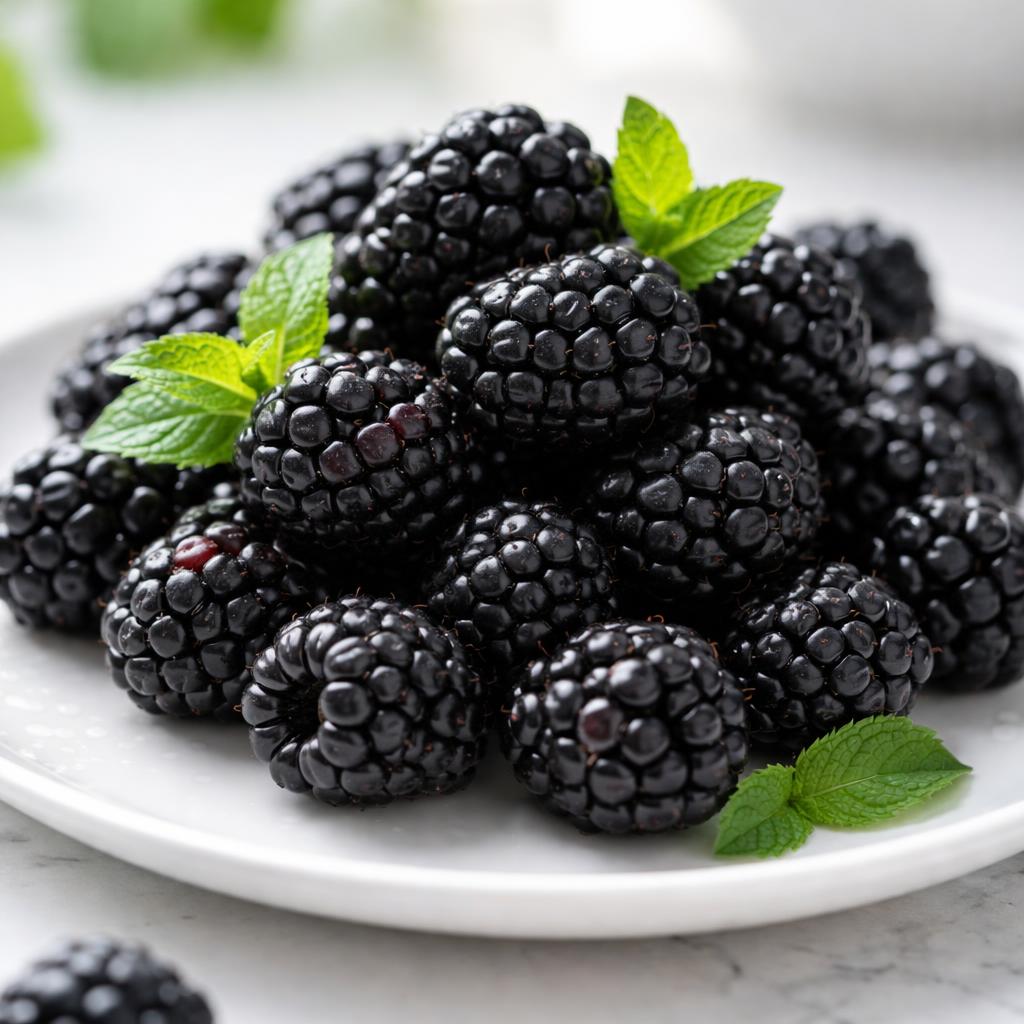
Blackberries
A juicy berry packed with antioxidants and fiber.
What is a Blackberries?
Blackberries are small, dark purple to black berries that grow on thorny shrubs in temperate regions. Native to North America and Europe, they are part of the Rosaceae family. Cultivated blackberries come in multiple varieties, including thornless hybrids such as Apache and Chester.
Blackberries have a subtly sweet, slightly tart flavor with earthy undertones. Their texture is juicy yet slightly seedy, making them enjoyable raw or cooked. They are widely used in desserts, jams, smoothies, and even savory dishes like salads or sauces.
Nutritionally, blackberries offer a wealth of benefits. They are low in calories, high in dietary fiber, rich in vitamin C, and loaded with powerful antioxidants like anthocyanins, which are responsible for their deep color. Their nutrient density makes them an excellent addition to a healthy diet.
Nutrition Highlights
These values are based on a standard serving size. Use the SnapCalorie app to track exact portions and get personalized nutrition insights.

Smart Nutrition Tracking with SnapCalorie

Health Benefits of Blackberrieses
Supports Immune System
Blackberries are rich in vitamin C, a nutrient essential for maintaining a strong immune system and protecting against illnesses. They also contain antioxidants that combat free radicals.
- Rich in Vitamin C
- Rich in Antioxidants
Promotes Gut Health
Thanks to their high fiber content, blackberries support digestion and help maintain healthy gut flora. Eating fiber-rich foods like blackberries can also prevent constipation.
- Rich in Fiber
- Rich in Water
Protects Against Oxidative Stress
Blackberries are packed with anthocyanins, a type of antioxidant linked to reducing inflammation and oxidative stress, which may lower the risk of chronic diseases like heart disease and certain cancers.
- Rich in Anthocyanins
- Rich in Vitamin C
Boosts Bone Health
With a significant amount of vitamin K, blackberries contribute to maintaining strong bones and proper calcium absorption, reducing the risk of fractures and osteoporosis.
- Rich in Vitamin K
- Rich in Calcium
Diet Compatibility
Is Blackberries suitable for your diet? Here's what you need to know:
Compare Blackberries to Similar Foods
See how Blackberries stacks up against other popular foods:
🍽️ How to Enjoy Blackberrieses
Breakfast
Top your oatmeal or yogurt with blackberries for a sweet, tangy boost.
Tip: Pair with nuts or seeds for added healthy fats and texture.
Lunch
Add blackberries to a spinach salad with goat cheese and walnuts.
Tip: Drizzle with balsamic vinaigrette to enhance the fruit's natural sweetness.
Dinner
Use blackberries to create a sauce for roasted chicken or pork.
Tip: Simmer blackberries with a bit of honey, balsamic vinegar, and rosemary for a savory twist.
Snack
Enjoy a handful of blackberries on their own or as part of a fruit mix.
Tip: Freeze blackberries for a refreshing, low-calorie summer treat.
✅ The Bottom Line
Blackberries are a fantastic choice for those seeking a flavorful and nutrient-dense food. High in fiber, antioxidants, and essential vitamins, they offer numerous health benefits, including supporting the immune system, promoting gut health, and protecting against oxidative stress.
Enjoy blackberries fresh, frozen, or cooked in sweet and savory dishes. Their versatility makes them an ideal ingredient for boosting both the flavor and nutrient content of your meals.
Data Sources & Scientific References
Our nutrition data comes from trusted, authoritative sources to ensure accuracy and reliability.
- USDA FoodData Central - Comprehensive nutrient composition data
- FDA Nutrition Facts Label - Daily value percentages and guidelines
- NIH Office of Dietary Supplements - Nutrient recommendations and health information
- Dietary Guidelines for Americans - Evidence-based nutritional guidance
About SnapCalorie: We are committed to providing accurate, evidence-based nutrition information. Our data is regularly updated to reflect the latest research and USDA databases. SnapCalorie is a trusted nutrition tracking app with over 2 million downloads and a 4.8/5 star rating.


