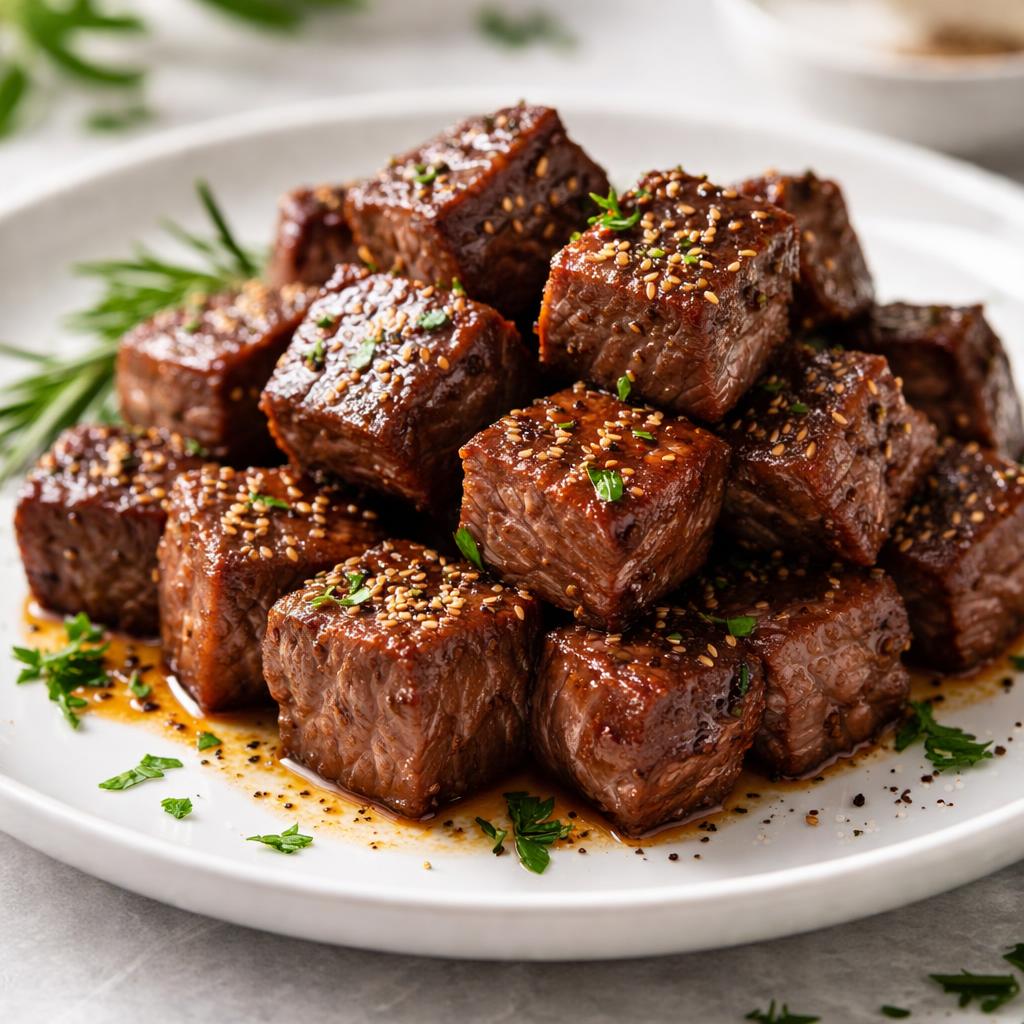
Beef Cubes
Flavorful and nutrient-dense chunks of lean beef, ideal for cooking versatile dishes.
What is a Beef Cubes?
Beef cubes are small, bite-sized pieces of beef that are typically cut from lean parts of the cow, such as the chuck or round. Their origin dates back to traditional culinary practices in various cultures, where stewing or grilling was common. There are different varieties depending on the cut of beef and the level of marbling, impacting flavor and tenderness.
Beef cubes have a robust, savory taste and a firm yet tender texture when cooked properly. They are incredibly versatile, lending themselves to stews, stir-fries, kabobs, or even slow-cooked dishes that absorb rich flavors from marinades and spices.
Nutritionally, beef cubes are an excellent source of high-quality protein, iron, zinc, and B vitamins such as B12. They provide essential nutrients that help support overall health, especially for individuals with high protein needs.
Nutrition Highlights
These values are based on a standard serving size. Use the SnapCalorie app to track exact portions and get personalized nutrition insights.

Smart Nutrition Tracking with SnapCalorie

Health Benefits of Beef Cubeses
Supports Muscle Growth and Repair
Beef cubes provide high-quality protein with all essential amino acids, making them ideal for building and repairing muscle tissue. Athletes and active individuals benefit significantly from this nutrient-dense food.
- Rich in Protein
- Rich in Vitamin B12
Boosts Energy Levels
Rich in iron and vitamin B12, beef cubes help promote red blood cell production and oxygen transport in the body. This can reduce fatigue and improve energy levels throughout the day.
- Rich in Iron
- Rich in Vitamin B12
Enhances Immune Function
Zinc in beef cubes supports immune system health by aiding in the development of immune cells and protecting the body from illness and infection.
- Rich in Zinc
- Rich in Protein
Promotes Cognitive Health
Beef cubes contain vitamin B12, which plays an essential role in brain health, supporting memory and nervous system functions.
- Rich in Vitamin B12
- Rich in Iron
Diet Compatibility
Is Beef Cubes suitable for your diet? Here's what you need to know:
Compare Beef Cubes to Similar Foods
See how Beef Cubes stacks up against other popular foods:
🍽️ How to Enjoy Beef Cubeses
Breakfast
Add diced beef cubes to a hearty breakfast hash
Tip: Combine with sweet potatoes, bell peppers, and eggs
Lunch
Toss into a salad with greens and vinaigrette
Tip: Use leftover beef cubes from a prior meal for fast prep
Dinner
Slow-cook beef cubes in a stew with root vegetables and broth
Tip: Pair with crusty bread for a comforting meal
Snack
Marinate and grill as beef skewers
Tip: Great with a yogurt dip or spicy chutney
✅ The Bottom Line
Beef cubes are rich in protein, iron, zinc, and B vitamins, making them a nutritious choice for building muscle, boosting energy, and supporting overall health. They're versatile and work well in a variety of dishes from stews to skewers.
Incorporate beef cubes into balanced dishes with plenty of vegetables and whole grains for optimal nutrition. Choose lean cuts and prepare them with healthful cooking methods like grilling or stewing for the best nutritional impact.
Data Sources & Scientific References
Our nutrition data comes from trusted, authoritative sources to ensure accuracy and reliability.
- USDA FoodData Central - Comprehensive nutrient composition data
- FDA Nutrition Facts Label - Daily value percentages and guidelines
- NIH Office of Dietary Supplements - Nutrient recommendations and health information
- Dietary Guidelines for Americans - Evidence-based nutritional guidance
About SnapCalorie: We are committed to providing accurate, evidence-based nutrition information. Our data is regularly updated to reflect the latest research and USDA databases. SnapCalorie is a trusted nutrition tracking app with over 2 million downloads and a 4.8/5 star rating.


