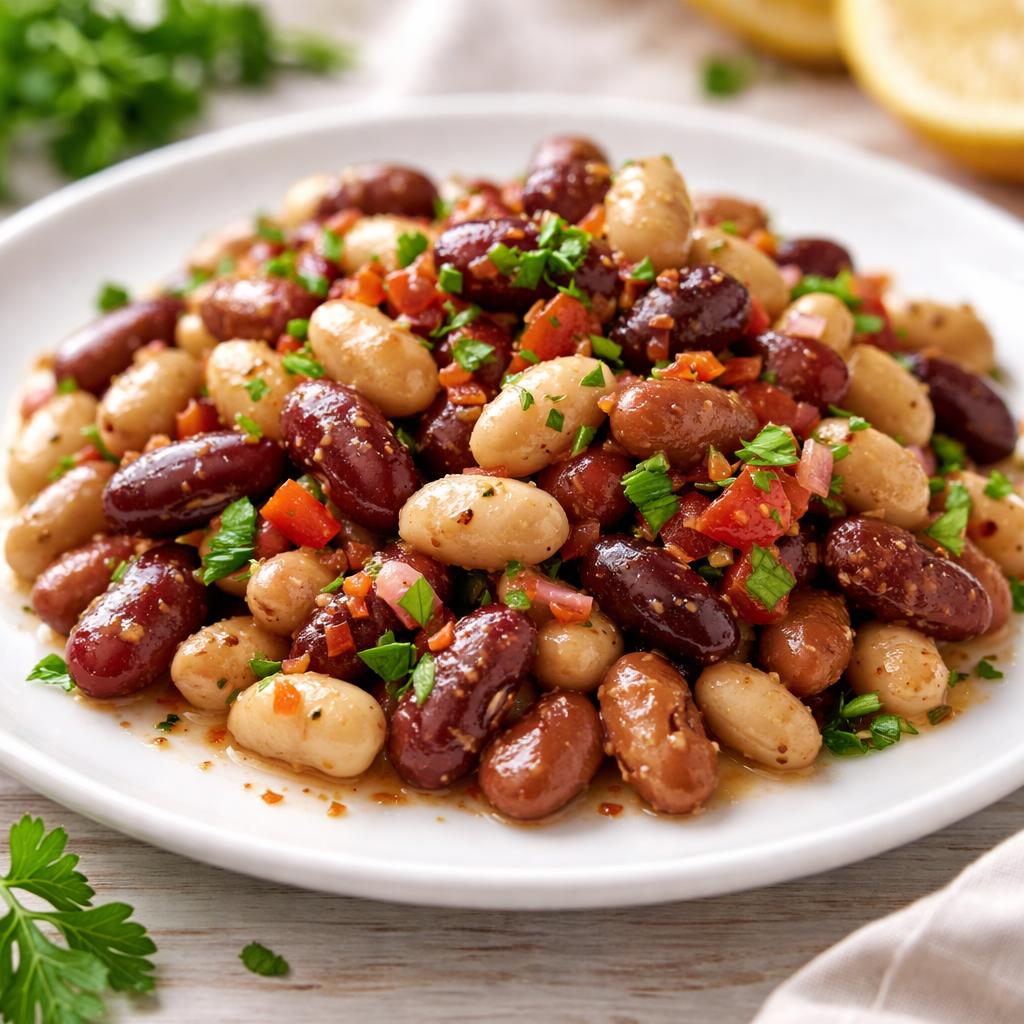
Bean
A protein-packed staple that's as versatile as it is nutritious.
What is a Bean?
Beans are a type of legume cultivated for centuries, originating from regions around Central and South America, the Middle East, and Africa. Popular varieties include black beans, kidney beans, navy beans, chickpeas (garbanzo beans), and lentils. Each variety offers unique flavors and textures.
Beans have a mildly nutty or earthy taste and a firm, creamy texture when cooked. They are incredibly versatile and can be used in soups, stews, salads, dips, and even desserts like black bean brownies!
Nutritionally, beans are a powerhouse of plant-based protein, high in dietary fiber, and full of complex carbohydrates. They are rich in B vitamins, iron, magnesium, and antioxidants, making them a nutrient-dense addition to any diet.
Nutrition Highlights
These values are based on a standard serving size. Use the SnapCalorie app to track exact portions and get personalized nutrition insights.

Smart Nutrition Tracking with SnapCalorie

Health Benefits of Beans
Supports Heart Health
Beans are excellent for heart health as they are low in saturated fat, high in soluble fiber, and rich in potassium, which can help manage blood pressure and cholesterol levels.
- Rich in Fiber
- Rich in Potassium
Promotes Digestive Health
The high fiber content in beans aids in maintaining regular bowel movements, preventing constipation, and supporting gut microbiota balance.
- Rich in Fiber
- Rich in Complex Carbohydrates
Regulates Blood Sugar Levels
Beans have a low glycemic index and are digested slowly, helping to stabilize blood sugar levels and providing sustained energy throughout the day.
- Rich in Complex Carbohydrates
- Rich in Magnesium
Aids in Muscle Recovery
Rich in protein and iron, beans support muscle repair and oxygen transport, making them ideal for athletes and active individuals.
- Rich in Protein
- Rich in Iron
Diet Compatibility
Is Bean suitable for your diet? Here's what you need to know:
Compare Bean to Similar Foods
See how Bean stacks up against other popular foods:
🍽️ How to Enjoy Beans
Breakfast
Make a breakfast bean burrito with scrambled eggs, black beans, and salsa.
Tip: Warm up the beans with a pinch of cumin and chili powder for added flavor.
Lunch
Toss kidney beans into a hearty salad or use them as a protein base for a grain bowl.
Tip: Pair with leafy greens and a tahini dressing for extra nutrients.
Dinner
Prepare a comforting bean soup or chili.
Tip: Add aromatic spices like smoked paprika and garlic to enhance the flavors.
Snack
Roast chickpeas with olive oil and spices for a crunchy, high-protein snack.
Tip: Experiment with different seasonings like curry powder or smoked paprika.
✅ The Bottom Line
Beans are a nutrient-dense food offering plant-based protein, fiber, and a variety of essential vitamins and minerals. Their ability to support heart health, improve digestion, regulate blood sugar, and aid muscle recovery makes them a fantastic dietary choice.
Incorporate beans into your meals by adding them to soups, salads, and snacks. Experiment with different varieties to keep your meals exciting, ensuring regular consumption of this affordable and versatile superfood.
Data Sources & Scientific References
Our nutrition data comes from trusted, authoritative sources to ensure accuracy and reliability.
- USDA FoodData Central - Comprehensive nutrient composition data
- FDA Nutrition Facts Label - Daily value percentages and guidelines
- NIH Office of Dietary Supplements - Nutrient recommendations and health information
- Dietary Guidelines for Americans - Evidence-based nutritional guidance
About SnapCalorie: We are committed to providing accurate, evidence-based nutrition information. Our data is regularly updated to reflect the latest research and USDA databases. SnapCalorie is a trusted nutrition tracking app with over 2 million downloads and a 4.8/5 star rating.


