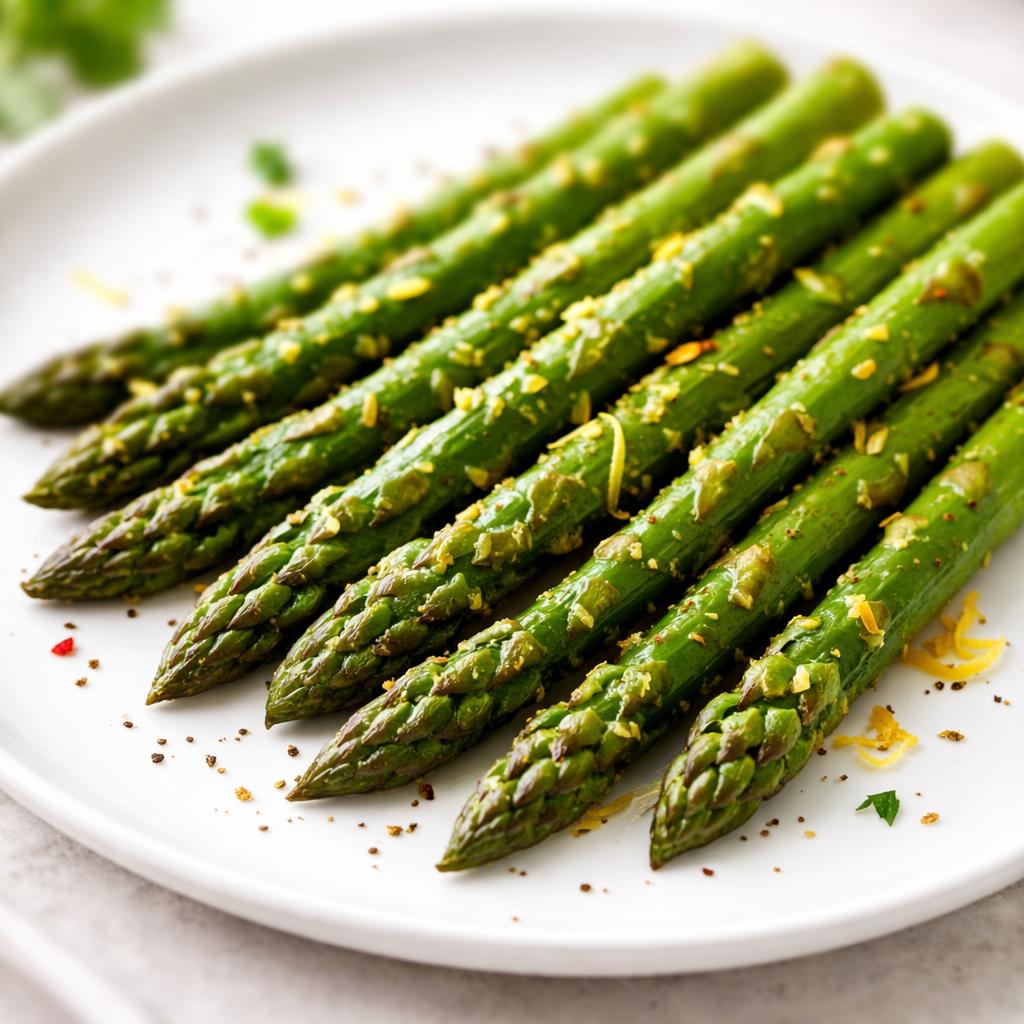
Asparagus Spears
A gourmet spring vegetable prized for its unique flavor and nutritional benefits.
What is an Asparagus Spears?
Asparagus spears are the young shoots of the asparagus plant, native to Europe and Asia but now grown worldwide. They are typically available in green, white, or purple varieties, with green being the most common and widely used. White asparagus is cultivated by growing it under soil to inhibit chlorophyll development, while purple asparagus contains anthocyanins which give it its color.
Asparagus has a distinct grassy, slightly nutty flavor with a tender yet slightly crisp texture. It is highly versatile in the kitchen, enjoyed raw, steamed, roasted, grilled, or incorporated into dishes like salads, stir-fries, soups, and pasta. Asparagus pairs well with garlic, lemon, eggs, or creamy sauces.
Asparagus is low in calories and carbs, yet packs a punch of nutrients like folate, vitamin K, and antioxidants like glutathione. Its high fiber and water content make it an excellent addition to a balanced diet.
Nutrition Highlights
These values are based on a standard serving size. Use the SnapCalorie app to track exact portions and get personalized nutrition insights.

Smart Nutrition Tracking with SnapCalorie

Health Benefits of Asparagus Spearses
Boosts Bone Health
Rich in vitamin K, asparagus supports bone formation and maintenance by aiding calcium absorption and bone mineralization.
- Rich in Vitamin K
- Rich in Folate
Helps Detoxification
Asparagus contains glutathione, a powerful antioxidant that assists with detoxifying the body by neutralizing free radicals and supporting liver function.
- Rich in Glutathione
- Rich in Vitamin C
Supports Digestive Health
Rich in fiber and inulin (a prebiotic), asparagus promotes gut health by supporting beneficial bacteria growth and aiding regular bowel movement.
- Rich in Fiber
- Rich in Inulin
Contributes to Healthy Pregnancy
Its high folate content is crucial for fetal development, preventing neural tube defects and supporting DNA synthesis during pregnancy.
- Rich in Folate
- Rich in Vitamin C
Diet Compatibility
Is Asparagus Spears suitable for your diet? Here's what you need to know:
Compare Asparagus Spears to Similar Foods
See how Asparagus Spears stacks up against other popular foods:
🍽️ How to Enjoy Asparagus Spearses
Breakfast
Add sautéed asparagus to scrambled eggs or an omelet.
Tip: Pair it with a sprinkle of cheese for extra flavor.
Lunch
Combine roasted asparagus with quinoa salad and vinaigrette dressing.
Tip: Include nuts or seeds for added texture and healthy fats.
Dinner
Wrap asparagus spears in bacon or prosciutto and bake.
Tip: Serve alongside grilled chicken or salmon for a balanced meal.
Snack
Make crispy asparagus fries by coating in breadcrumbs and baking.
Tip: Serve with a yogurt-based dipping sauce.
✅ The Bottom Line
Asparagus is a nutrient-rich vegetable offering a range of vitamins, antioxidants, and fiber with very few calories. Its versatility in cooking makes it easy to include in meals while gaining health benefits like better digestion, bone health, and detoxification.
Enjoy asparagus raw in salads, roasted for a savory side, or even as a snack when baked into crispy fries. Springtime is ideal to enjoy fresh asparagus, but frozen versions work well in recipes year-round.
Data Sources & Scientific References
Our nutrition data comes from trusted, authoritative sources to ensure accuracy and reliability.
- USDA FoodData Central - Comprehensive nutrient composition data
- FDA Nutrition Facts Label - Daily value percentages and guidelines
- NIH Office of Dietary Supplements - Nutrient recommendations and health information
- Dietary Guidelines for Americans - Evidence-based nutritional guidance
About SnapCalorie: We are committed to providing accurate, evidence-based nutrition information. Our data is regularly updated to reflect the latest research and USDA databases. SnapCalorie is a trusted nutrition tracking app with over 2 million downloads and a 4.8/5 star rating.


