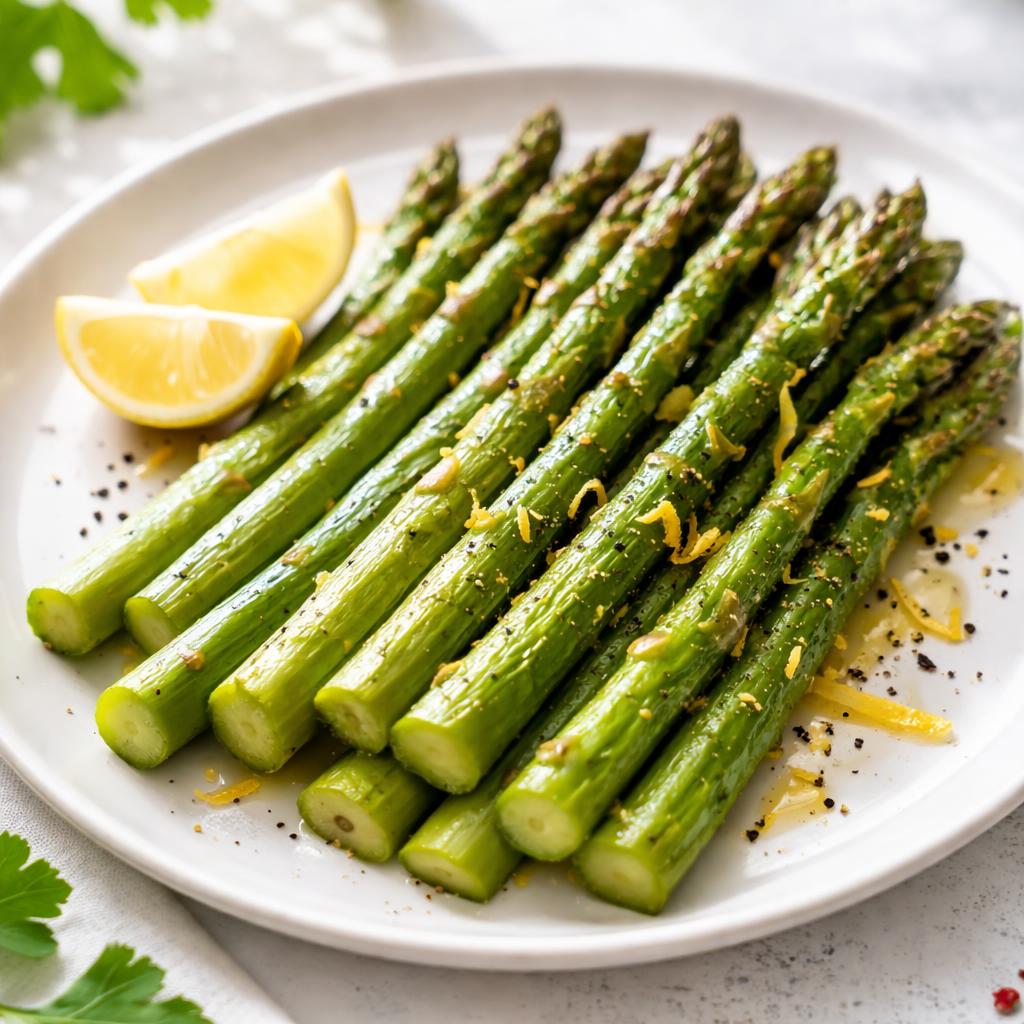
Asparagus
A tender, spear-shaped vegetable celebrated for its flavor and nutrition.
What is an Asparagus?
Asparagus is a perennial vegetable that grows in spear-like shoots and is widely cultivated across Europe, North America, and Asia. It comes mainly in green, white, and purple varieties, each offering a unique flavor and texture profile. Its cultivation dates back to antiquity, with records of it being enjoyed in Ancient Egypt and Greece.
Its flavor is earthy, slightly bitter, with grassy and nutty undertones that pair well with a variety of dishes. The texture tends to be tender yet crisp, especially when prepared properly. It can be roasted, steamed, grilled, or eaten raw in salads for a fresh twist.
Asparagus is low in calories and packed with vitamins such as A, C, and K, as well as folate and fiber. It also contains important minerals like potassium and magnesium, making it a nutrient-dense addition to any meal.
Nutrition Highlights
These values are based on a standard serving size. Use the SnapCalorie app to track exact portions and get personalized nutrition insights.

Smart Nutrition Tracking with SnapCalorie

Health Benefits of Asparaguses
Supports Bone Health
Asparagus is a good source of vitamin K, which plays a crucial role in bone strength and mineralization. Regular consumption helps maintain healthy bones and prevent osteoporosis.
- Rich in Vitamin K
- Rich in Calcium
Aids Digestion
Asparagus contains dietary fiber which promotes regular bowel movements and supports gut health. Its natural prebiotic properties further help the beneficial bacteria in your digestive tract thrive.
- Rich in Fiber
- Rich in Inulin
Boosts Heart Health
Rich in potassium, asparagus supports healthy blood pressure levels and reduces the risk of heart disease. Additionally, its antioxidants help combat oxidative stress, benefiting cardiovascular health.
- Rich in Potassium
- Rich in Antioxidants
Supports Pregnancy Health
Asparagus is high in folate, an essential nutrient for fetal development. Including asparagus in a prenatal diet can help prevent neural tube defects and ensure a healthy pregnancy.
- Rich in Folate
- Rich in Vitamin C
Diet Compatibility
Is Asparagus suitable for your diet? Here's what you need to know:
Compare Asparagus to Similar Foods
See how Asparagus stacks up against other popular foods:
🍽️ How to Enjoy Asparaguses
Breakfast
Add steamed asparagus to scrambled eggs or a veggie omelet.
Tip: Pair with feta cheese or avocado for a nutrient boost.
Lunch
Grill asparagus and use as a topping for salads or grain bowls.
Tip: Drizzle with olive oil and lemon juice for extra flavor.
Dinner
Sauté asparagus with garlic and olive oil as a side dish for fish or chicken.
Tip: Finish with a sprinkle of Parmesan for added richness.
Snack
Wrap asparagus in prosciutto and bake for a savory treat.
Tip: Serve with a side of mustard dipping sauce.
✅ The Bottom Line
Asparagus is a low-calorie vegetable rich in vitamins, minerals, and fiber that supports digestion, heart health, and bone strength. Whether roasted, grilled, or enjoyed raw, it’s a nutritional powerhouse ideal for any diet.
Incorporate asparagus into your meals by using it as a side dish, salad ingredient, or even a snack. With its versatility and flavor, this vegetable can seamlessly elevate your daily intake of essential nutrients.
Data Sources & Scientific References
Our nutrition data comes from trusted, authoritative sources to ensure accuracy and reliability.
- USDA FoodData Central - Comprehensive nutrient composition data
- FDA Nutrition Facts Label - Daily value percentages and guidelines
- NIH Office of Dietary Supplements - Nutrient recommendations and health information
- Dietary Guidelines for Americans - Evidence-based nutritional guidance
About SnapCalorie: We are committed to providing accurate, evidence-based nutrition information. Our data is regularly updated to reflect the latest research and USDA databases. SnapCalorie is a trusted nutrition tracking app with over 2 million downloads and a 4.8/5 star rating.


