Zucchini Noodles VS Pasta With Cheese
A detailed nutritional comparison
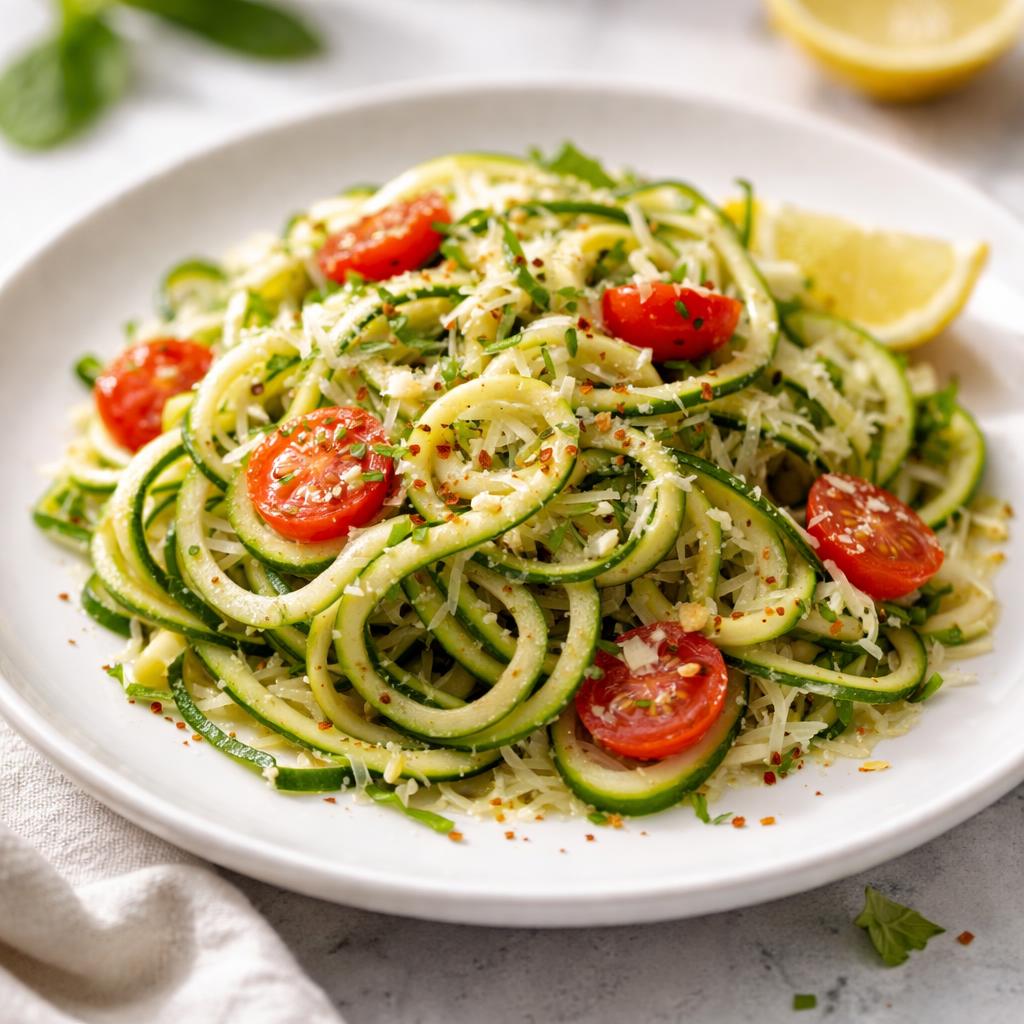
Zucchini Noodles
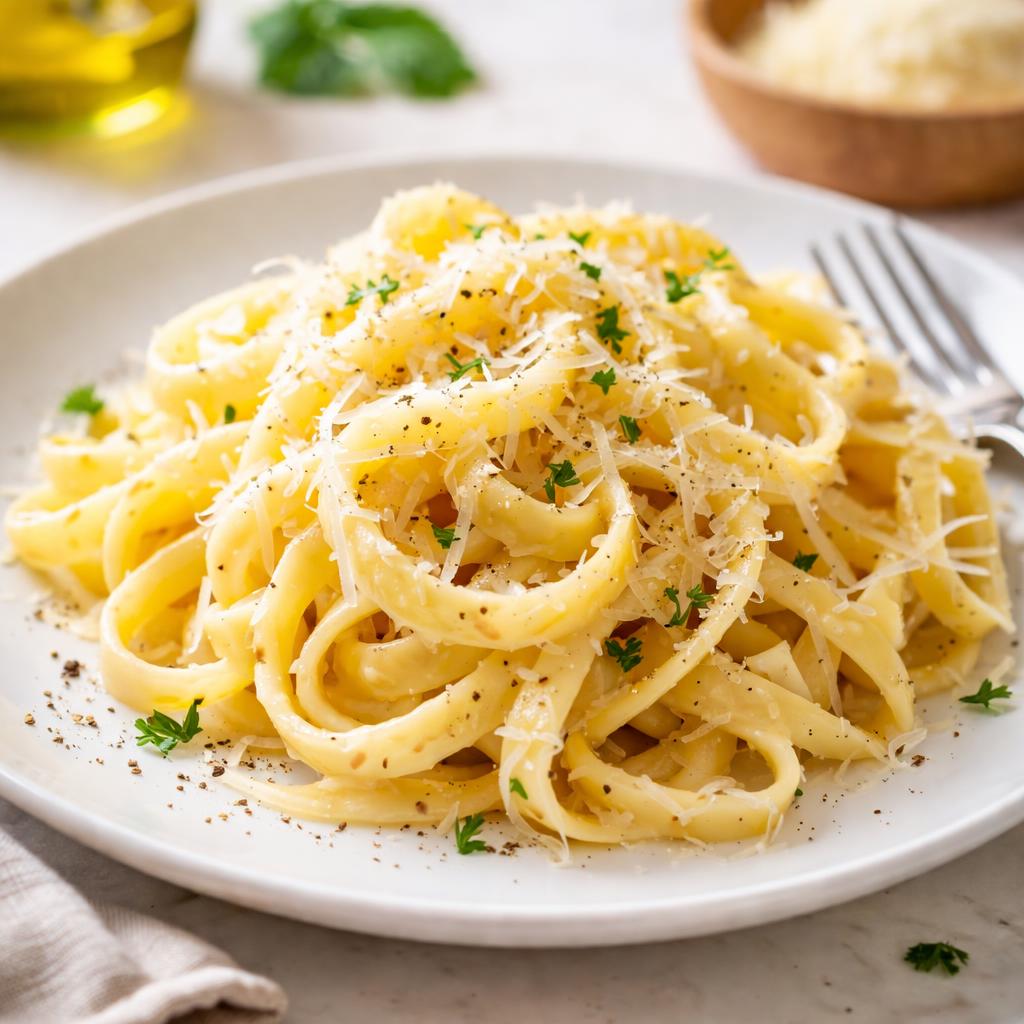
Pasta With Cheese
🎯 Quick Verdict
Zucchini noodles are significantly lower in calories and carbs compared to pasta with cheese, making them ideal for weight management and low-carb diets. Pasta with cheese is higher in protein and fat, providing a more energy-dense and comforting option that may suit active individuals needing sustained energy.

Smart Nutrition Tracking with SnapCalorie

📊 Nutritional Comparison
Macronutrients
| Nutrient | Food 1 | Food 2 | Winner |
|---|---|---|---|
| Calories | 33 | 350 | ✓ |
| Protein | 2g | 15g | ✓ |
| Carbs | 5g | 40g | ✓ |
| Fat | 0g | 14g | ✓ |
| Fiber | 2g | 2g | − |
Vitamins & Minerals
| Nutrient | Food 1 | Food 2 | Winner |
|---|---|---|---|
| Vitamin C | 24mg | 0mg | ✓ |
| Calcium | 20mg | 100mg | ✓ |
| Iron | 0.4mg | 1mg | ✓ |
🏆 Category Winners
Protein
Pasta with cheese contains 7.5x more protein per serving.
Fiber
Both foods provide 2g of fiber per serving.
Calories
Zucchini noodles have approximately 90% fewer calories than pasta with cheese.
Vitamins
Zucchini noodles are rich in Vitamin C, contributing 24mg compared to none in pasta with cheese.
🥗 Diet Compatibility
Keto
Food 1: Compatible
Food 2: Not Compatible
Food1 is low-carb with only 5g per serving, whereas food2 contains 40g of carbs.
Vegan
Food 1: Compatible
Food 2: Not Compatible
Food1 is plant-based, whereas food2 contains cheese derived from dairy.
Gluten Free
Food 1: Compatible
Food 2: Not Compatible
Food1 is naturally gluten-free, while pasta typically contains gluten.
Paleo
Food 1: Compatible
Food 2: Not Compatible
Zucchini noodles align with paleo diets due to their whole-food nature, whereas pasta and cheese are processed foods.
Low Carb
Food 1: Compatible
Food 2: Not Compatible
Food1 is very low in carbs, while food2 is high-carb.
💪 Health Benefits Comparison
Food 1 Benefits
- Low calorie content for weight control
- Rich in Vitamin C for immune support
- Low-carb option for glycemic control
- Gluten-free for those with sensitivities
Food 2 Benefits
- High in protein for muscle building and repair
- Good source of calcium for bone health
- Energy-dense for sustained activity
- Comforting and satisfying due to higher fat content
✅ The Bottom Line
Choose zucchini noodles for low-calorie, low-carb, and vitamin-rich meals, especially if you're focused on weight loss or dietary restrictions like keto or gluten-free. Opt for pasta with cheese if you need higher protein, energy, and calcium for active lifestyles or comforting indulgences.
Choose Food 1 for: Weight loss, keto diets, vegan meals, nutrient-dense sides
Choose Food 2 for: Active lifestyles, muscle building, comforting meals


