Zucchini Noodles VS Japanese Rice
A detailed nutritional comparison
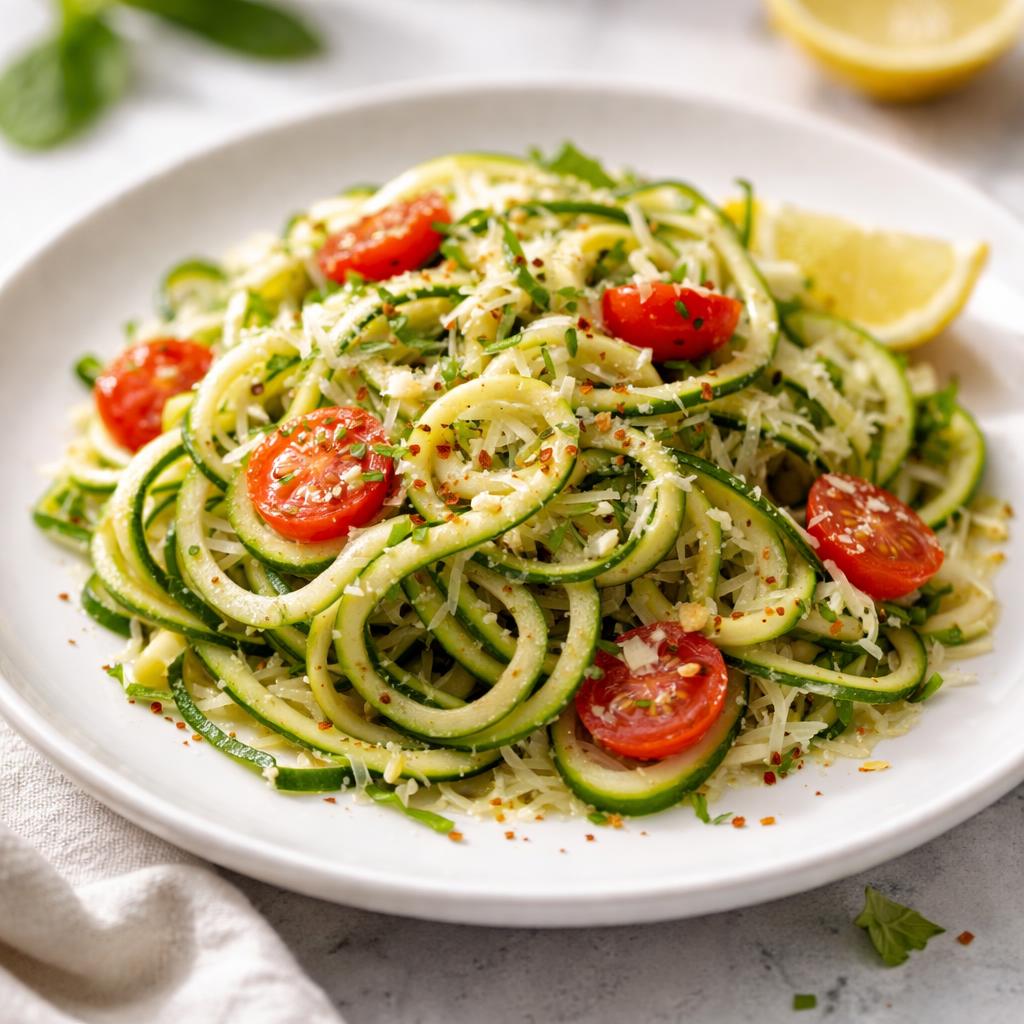
Zucchini Noodles
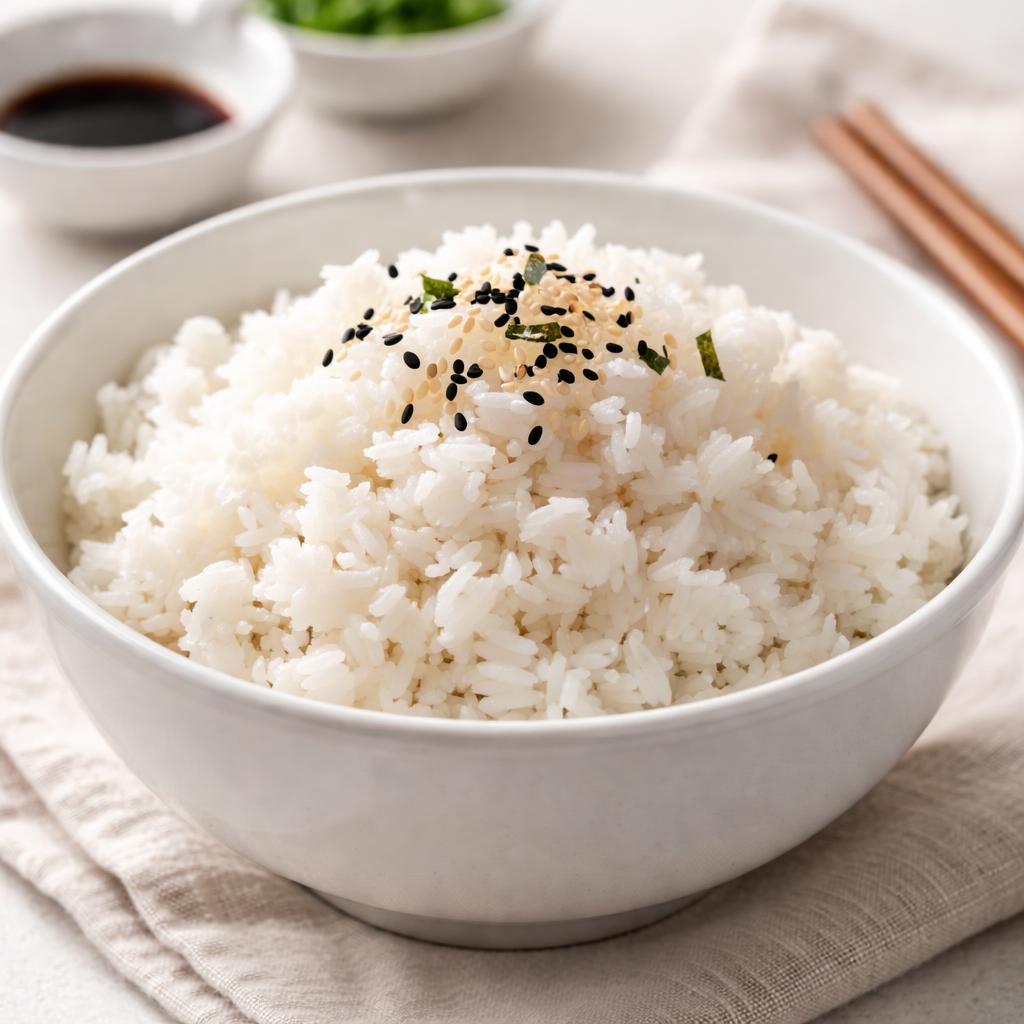
Japanese Rice
🎯 Quick Verdict
Zucchini noodles excel as a low-calorie, low-carb option with higher fiber content, making them ideal for weight loss and digestive health. Japanese rice provides more energy through higher carbs and is a better option for active individuals who require sustained energy. Both can fit into different dietary patterns depending on needs and goals.

Smart Nutrition Tracking with SnapCalorie

📊 Nutritional Comparison
Macronutrients
| Nutrient | Food 1 | Food 2 | Winner |
|---|---|---|---|
| Calories | 33 | 130 | ✓ |
| Protein | 2g | 2g | − |
| Carbs | 6g | 28g | ✓ |
| Fat | 0g | 0.3g | ✓ |
| Fiber | 1.5g | 0g | ✓ |
Vitamins & Minerals
| Nutrient | Food 1 | Food 2 | Winner |
|---|---|---|---|
| Vitamin C | 17mg (20% DV) | 0mg | ✓ |
| Vitamin A | 240mcg (27% DV) | 0mcg | ✓ |
| Potassium | 295mg (6% DV) | 35mg | ✓ |
🏆 Category Winners
Protein
Both contain 2g of protein per serving.
Fiber
Food1 has 1.5g of fiber, while Food2 contains no fiber.
Calories
Food1 has 33 calories per serving versus 130 calories for Food2.
🥗 Diet Compatibility
Keto
Food 1: Compatible
Food 2: Not Compatible
Food1 is low-carb, suitable for keto diets.
Vegan
Food 1: Compatible
Food 2: Compatible
Both foods are plant-based and vegan-friendly.
Gluten Free
Food 1: Compatible
Food 2: Compatible
Neither food contains gluten.
Paleo
Food 1: Compatible
Food 2: Not Compatible
Food1 aligns with paleo principles, while Food2 does not due to its processed nature.
Low-Carb
Food 1: Compatible
Food 2: Not Compatible
Food1 is significantly lower in carbs compared to Food2.
💪 Health Benefits Comparison
Food 1 Benefits
- Low in calories, aiding weight loss
- High fiber content supports digestion
- Rich in Vitamin C for immune system health
- Good source of potassium for heart and muscle function
Food 2 Benefits
- Provides quick energy with its higher carb content
- Low-fat option for heart health
- Easily digestible and suitable for sensitive stomachs
- Versatile source of fuel for physical activity
✅ The Bottom Line
Zucchini noodles are a better choice for those focusing on weight loss, low-carb diets, or digestive health due to their low calories and fiber content. Japanese rice is a great option for individuals seeking energy for physical activity or balanced meals in moderate diets. Choose based on your specific dietary goals and preferences.
Choose Food 1 for: Weight loss, low-carb diets, high-fiber meals
Choose Food 2 for: Energy for active lifestyles, balanced carb intake, post-workout refueling


