Yellow Rice VS Turmeric Rice
A detailed nutritional comparison
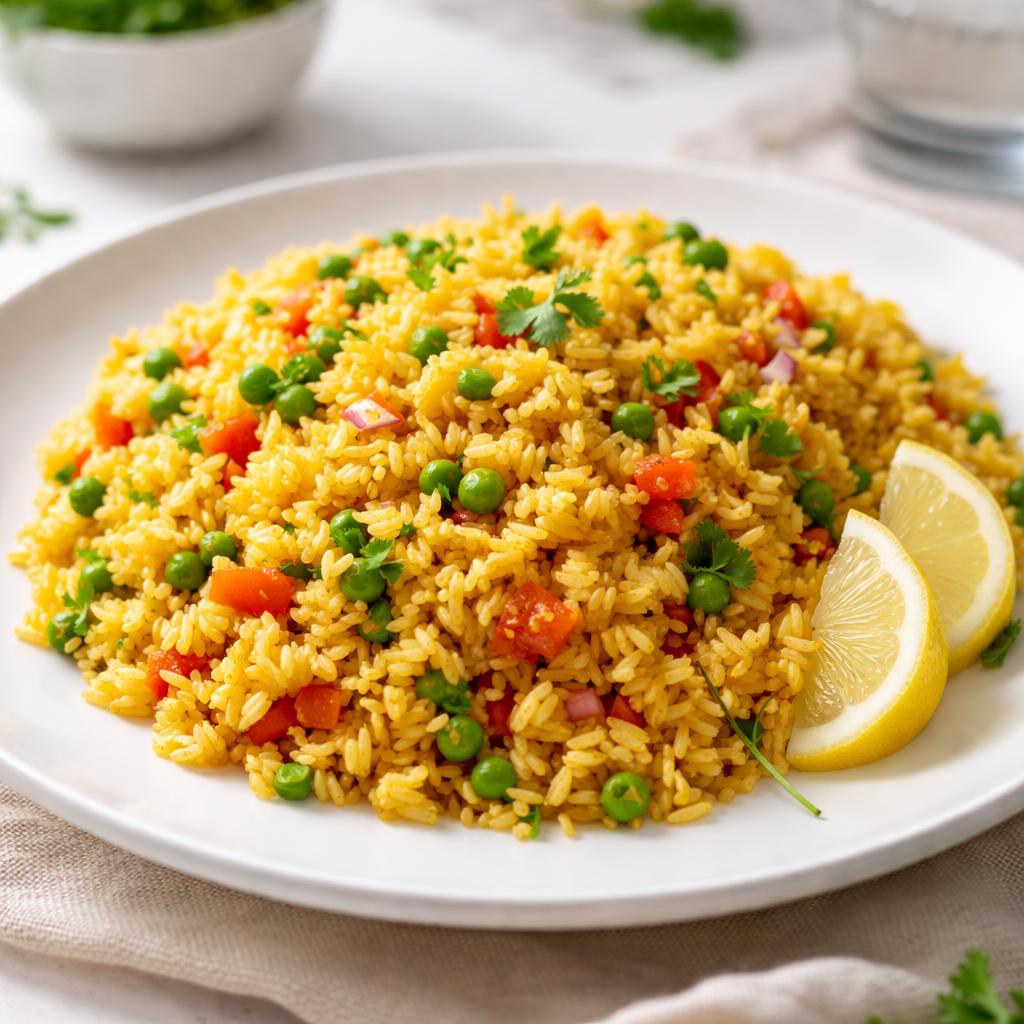
Yellow Rice
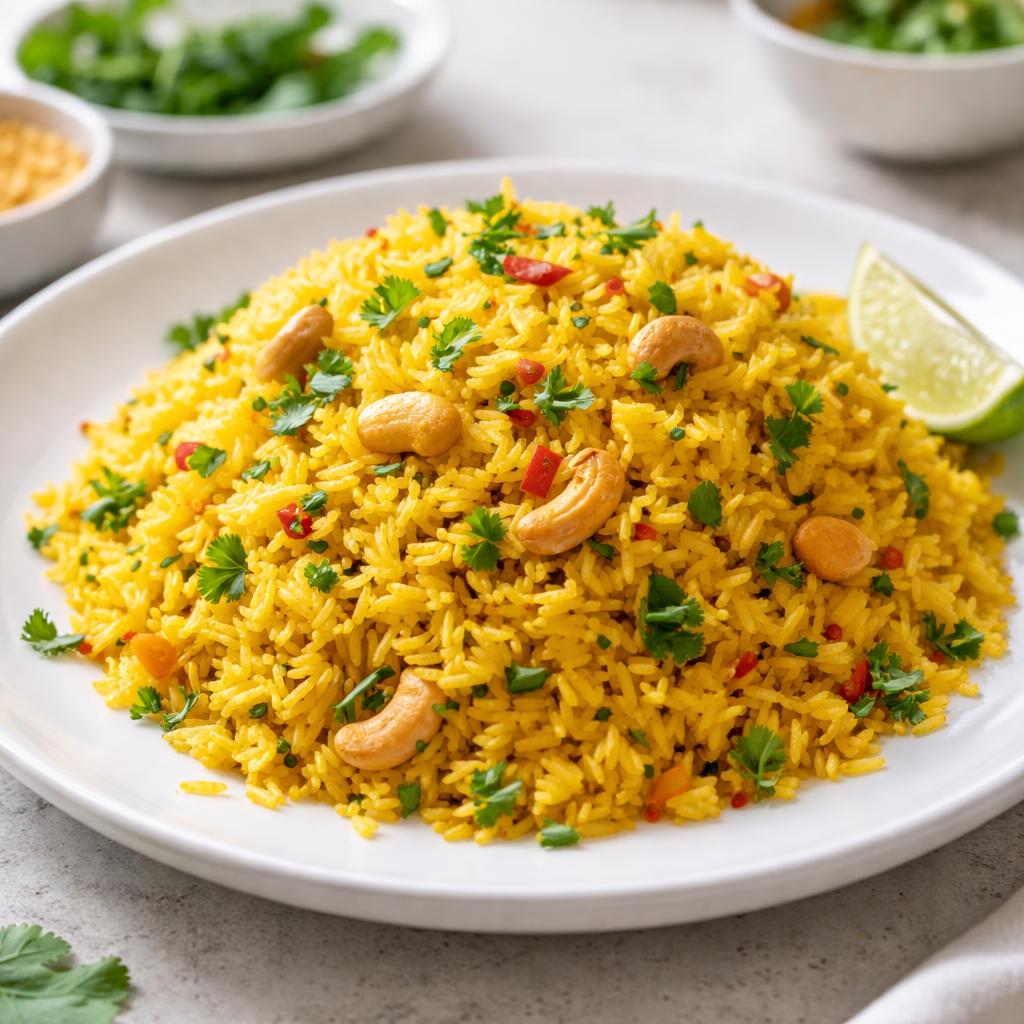
Turmeric Rice
🎯 Quick Verdict
Turmeric rice has slightly more fiber and micronutrients than yellow rice due to the addition of turmeric, which contributes antioxidants and anti-inflammatory benefits. Yellow rice tends to have fewer calories and is a simpler option for those seeking energy without added spices. Both are versatile carb choices for meals, but turmeric rice edges ahead for enhanced health benefits.

Smart Nutrition Tracking with SnapCalorie

📊 Nutritional Comparison
Macronutrients
| Nutrient | Food 1 | Food 2 | Winner |
|---|---|---|---|
| Calories | 150 | 170 | ✓ |
| Protein | 4g | 4g | − |
| Carbs | 32g | 35g | ✓ |
| Fat | 1g | 2g | ✓ |
| Fiber | 1g | 2g | ✓ |
Vitamins & Minerals
| Nutrient | Food 1 | Food 2 | Winner |
|---|---|---|---|
| Vitamin D | 0mcg | 0mcg | − |
| Vitamin C | 0mg | 2mg | ✓ |
| Iron | 0.5mg | 1mg | ✓ |
| Potassium | 20mg | 30mg | ✓ |
🏆 Category Winners
Protein
Both foods provide equal protein with 4g per serving.
Fiber
Food2 has double the fiber content (2g vs 1g).
Calories
Yellow rice has 20 fewer calories per serving.
Vitamins
Turmeric rice provides more Vitamin C and iron due to turmeric's nutrient profile.
🥗 Diet Compatibility
Keto
Food 1: Not Compatible
Food 2: Not Compatible
Both are high-carb foods unsuitable for keto diets.
Vegan
Food 1: Compatible
Food 2: Compatible
Both are plant-based and suitable for vegan diets.
Gluten Free
Food 1: Compatible
Food 2: Compatible
Neither contains gluten when made with plain rice and seasonings.
Paleo
Food 1: Compatible
Food 2: Compatible
Both are minimally processed and align with paleo principles.
Low Carb
Food 1: Not Compatible
Food 2: Not Compatible
Both foods contain over 30g of carbs per serving and are not suitable for low-carb diets.
💪 Health Benefits Comparison
Food 1 Benefits
- Low-calorie option for energy control
- Provides carbohydrates for quick energy
- Comfort food with potential for easy seasoning customization
Food 2 Benefits
- Contains antioxidants from turmeric that support reduced inflammation
- Higher fiber content for improved digestion
- Rich in nutrients such as iron and Vitamin C for enhanced immunity
✅ The Bottom Line
Yellow rice is ideal for those prioritizing lower calories and simpler flavors, whereas turmeric rice is the better choice for more fiber and added health benefits such as antioxidants from turmeric. Choose food1 for basic carb needs and food2 for enhanced digestion and vitality.
Choose Food 1 for: Energy needs, weight-conscious diets, simple meals
Choose Food 2 for: Anti-inflammatory diets, immunity boosting, fiber-rich meals


