Yellow Rice VS Soba Noodles
A detailed nutritional comparison
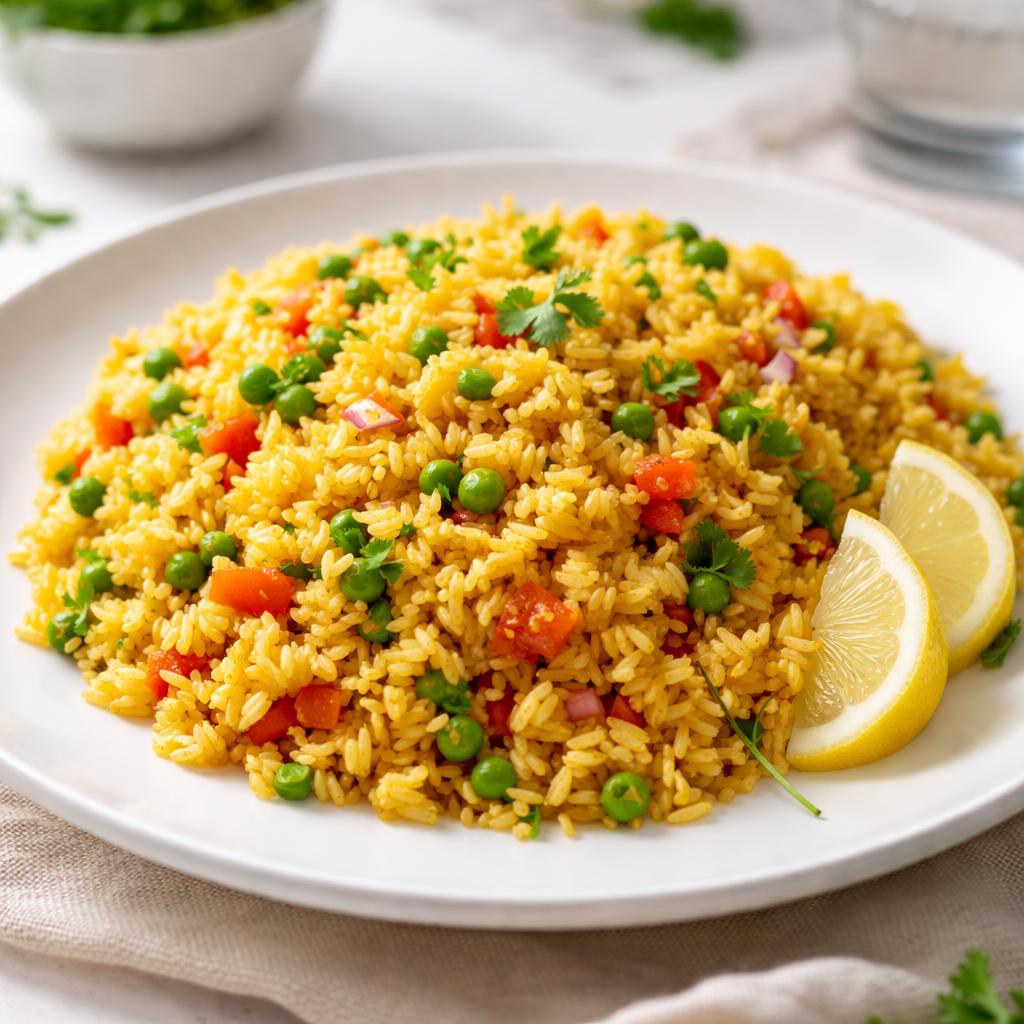
Yellow Rice
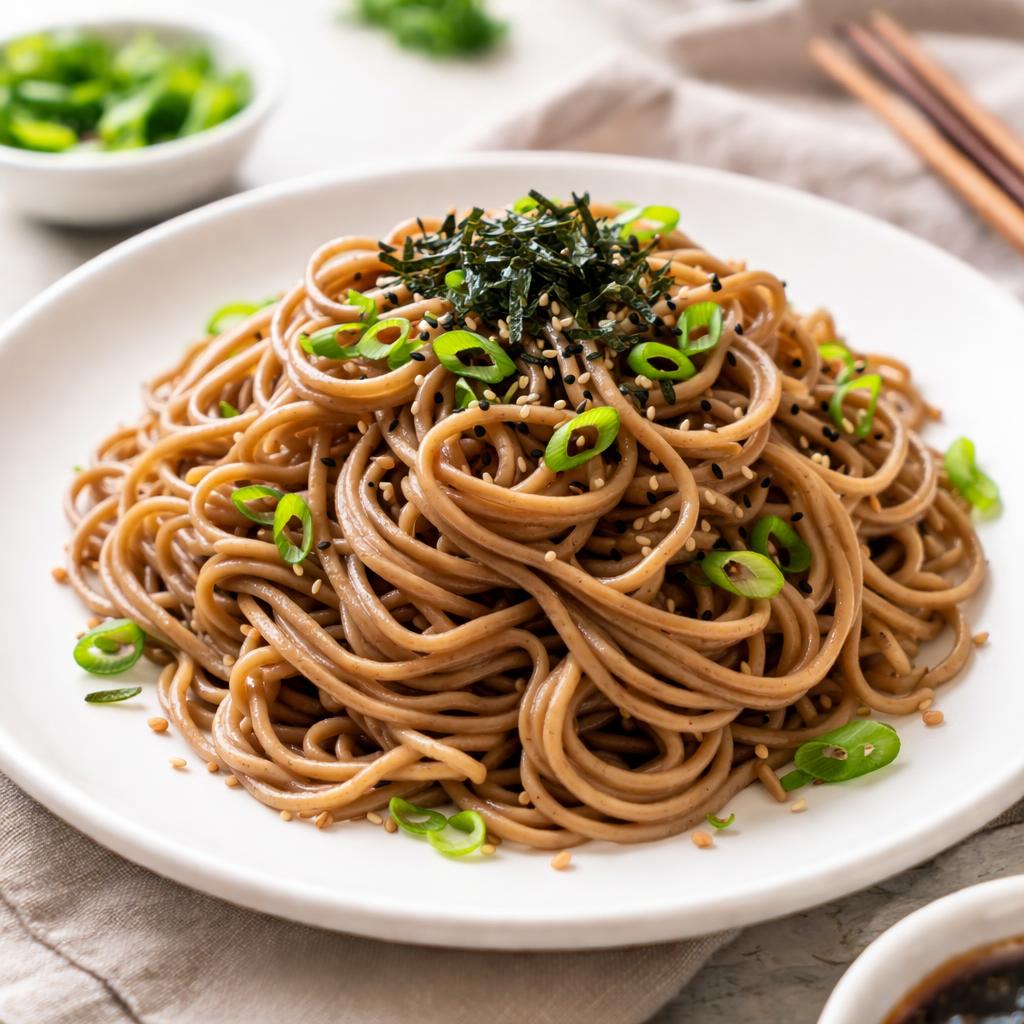
Soba Noodles
🎯 Quick Verdict
Yellow rice is lower in calories and is a lighter option for those seeking a side dish for weight loss or low-carb diets. Soba noodles provide more protein and fiber, making them better for satiety and sustained energy. Both are versatile staples suitable for different cuisines and dietary goals.

Smart Nutrition Tracking with SnapCalorie

📊 Nutritional Comparison
Macronutrients
| Nutrient | Food 1 | Food 2 | Winner |
|---|---|---|---|
| Calories | 180 per cup (cooked) | 220 per cup (cooked) | ✓ |
| Protein | 3g | 8g | ✓ |
| Carbs | 37g | 42g | ✓ |
| Fat | 2g | 1g | ✓ |
| Fiber | 1g | 3g | ✓ |
Vitamins & Minerals
| Nutrient | Food 1 | Food 2 | Winner |
|---|---|---|---|
| Vitamin B6 | 0.1mg | 0.2mg | ✓ |
| Iron | 0.6mg | 1.4mg | ✓ |
| Magnesium | 14mg | 35mg | ✓ |
🏆 Category Winners
Protein
Soba noodles offer over double the protein (8g) compared to yellow rice (3g).
Fiber
Soba noodles contain 3x the fiber of yellow rice (3g vs 1g).
Calories
Yellow rice is about 18% lower in calories per cup.
🥗 Diet Compatibility
Keto
Food 1: Not Compatible
Food 2: Not Compatible
Both are too high in carbohydrates for keto.
Vegan
Food 1: Compatible
Food 2: Compatible
Both yellow rice and soba noodles are plant-based and vegan-friendly.
Gluten Free
Food 1: Compatible (if made with gluten-free seasoning)
Food 2: Not Compatible
Soba noodles often contain wheat; yellow rice is gluten-free as long as seasonings do not contain additives.
Paleo
Food 1: Not Compatible
Food 2: Not Compatible
Both foods are grains, which are excluded in paleo diets.
Low-Carb
Food 1: Not Compatible
Food 2: Not Compatible
Both foods have a high carbohydrate content, exceeding typical low-carb thresholds.
💪 Health Benefits Comparison
Food 1 Benefits
- Relatively low-calorie, suitable for weight management
- Provides quick energy due to carbohydrate content
- Potentially gluten-free if prepared with suitable seasoning
Food 2 Benefits
- Rich source of plant-based protein for muscle repair
- High fiber content promotes healthy digestion
- Provides key minerals like magnesium for energy metabolism
✅ The Bottom Line
Choose yellow rice for a lower-calorie side dish that complements low-fat meals or lighter cuisines. Opt for soba noodles when seeking more protein and fiber for sustained energy and satiety, especially for post-exercise recovery or a heartier meal.
Choose Food 1 for: Weight management, light meals, easy energy boost
Choose Food 2 for: Protein-rich diets, sustained energy, meals requiring fiber and minerals


