Yellow Rice VS Rice With Lentils
A detailed nutritional comparison
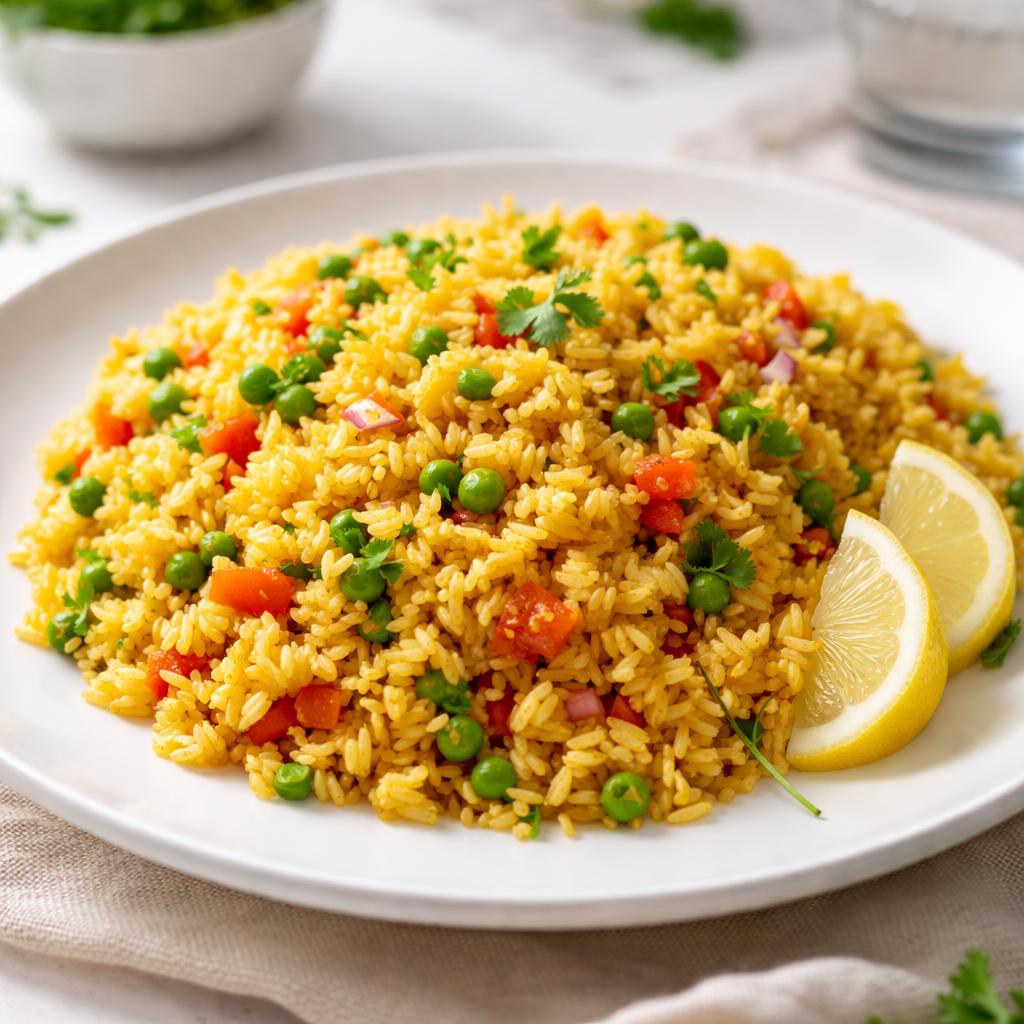
Yellow Rice
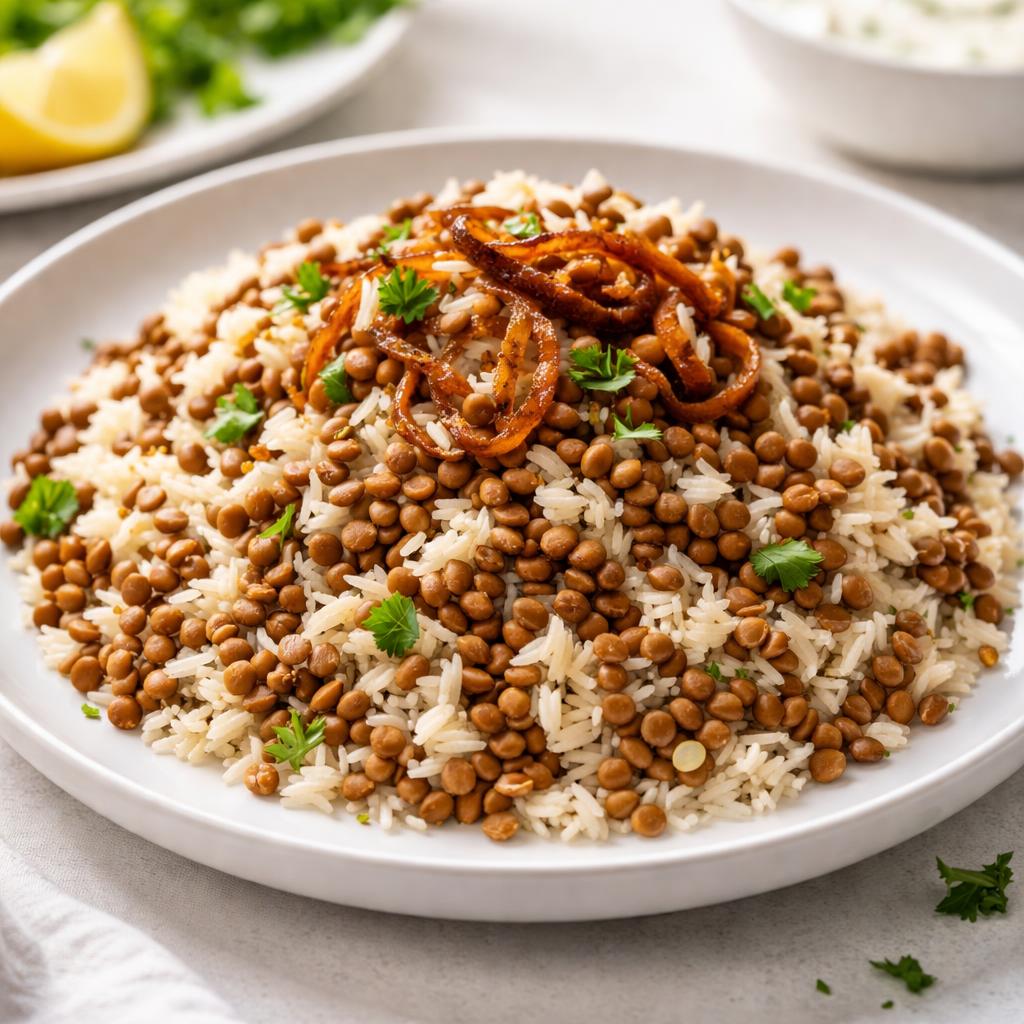
Rice With Lentils
🎯 Quick Verdict
Rice with lentils is the more nutritionally dense option due to its higher protein (9g vs 3g), fiber (6g vs 1g), and lower calories (190 vs 250 per serving). Yellow rice is slightly higher in carbs and can provide more immediate energy but lacks protein and fiber. Yellow rice may be better for energy-rich meals, while rice with lentils suits balanced diets emphasizing satiety and nutrient density.

Smart Nutrition Tracking with SnapCalorie

📊 Nutritional Comparison
Macronutrients
| Nutrient | Food 1 | Food 2 | Winner |
|---|---|---|---|
| Calories | 250 | 190 | ✓ |
| Protein | 3g | 9g | ✓ |
| Carbs | 45g | 30g | ✓ |
| Fat | 3g | 3g | − |
| Fiber | 1g | 6g | ✓ |
Vitamins & Minerals
| Nutrient | Food 1 | Food 2 | Winner |
|---|---|---|---|
| Vitamin D | 0mcg | 0mcg | − |
| Calcium | 10mg | 30mg | ✓ |
| Iron | 0.3mg | 3mg | ✓ |
🏆 Category Winners
Protein
Rice with lentils provides three times more protein per serving due to the lentils.
Fiber
Rice with lentils contains six times more fiber, aiding digestion and satiety.
Calories
Rice with lentils has 24% fewer calories compared to yellow rice.
Vitamins
Rice with lentils is higher in calcium and iron, important for bone health and oxygen transport.
🥗 Diet Compatibility
Keto
Food 1: Not Compatible
Food 2: Not Compatible
Both foods are high in carbs and not suitable for a keto diet.
Vegan
Food 1: Compatible
Food 2: Compatible
Both foods are plant-based and vegan-friendly.
Gluten Free
Food 1: Compatible
Food 2: Compatible
Neither food contains gluten.
Paleo
Food 1: Not Compatible
Food 2: Not Compatible
Both foods rely on grains and legumes, which are typically avoided in paleo diets.
Low-Carb
Food 1: Not Compatible
Food 2: Not Compatible
Both foods contain significant amounts of carbohydrates.
💪 Health Benefits Comparison
Food 1 Benefits
- Provides quick energy due to high carbohydrate content
- Low-fat option for calorie-conscious diets
- Easy to digest for people with sensitive stomachs
Food 2 Benefits
- High in protein, supporting muscle repair and growth
- Rich in fiber to promote gut health and prolonged satiety
- Contains essential minerals like iron and calcium for improved nutrient density
✅ The Bottom Line
Choose yellow rice for meals where quick energy is the priority or as part of traditional dishes. Opt for rice with lentils for balanced meals emphasizing protein, fiber, and nutrient density. Both are versatile options but serve distinctly different nutritional needs.
Choose Food 1 for: High-energy meals, tradition-based dishes, sensitive diets
Choose Food 2 for: Balanced nutrition, satiety, plant-based protein


