Yellow Rice VS Rice Cake
A detailed nutritional comparison
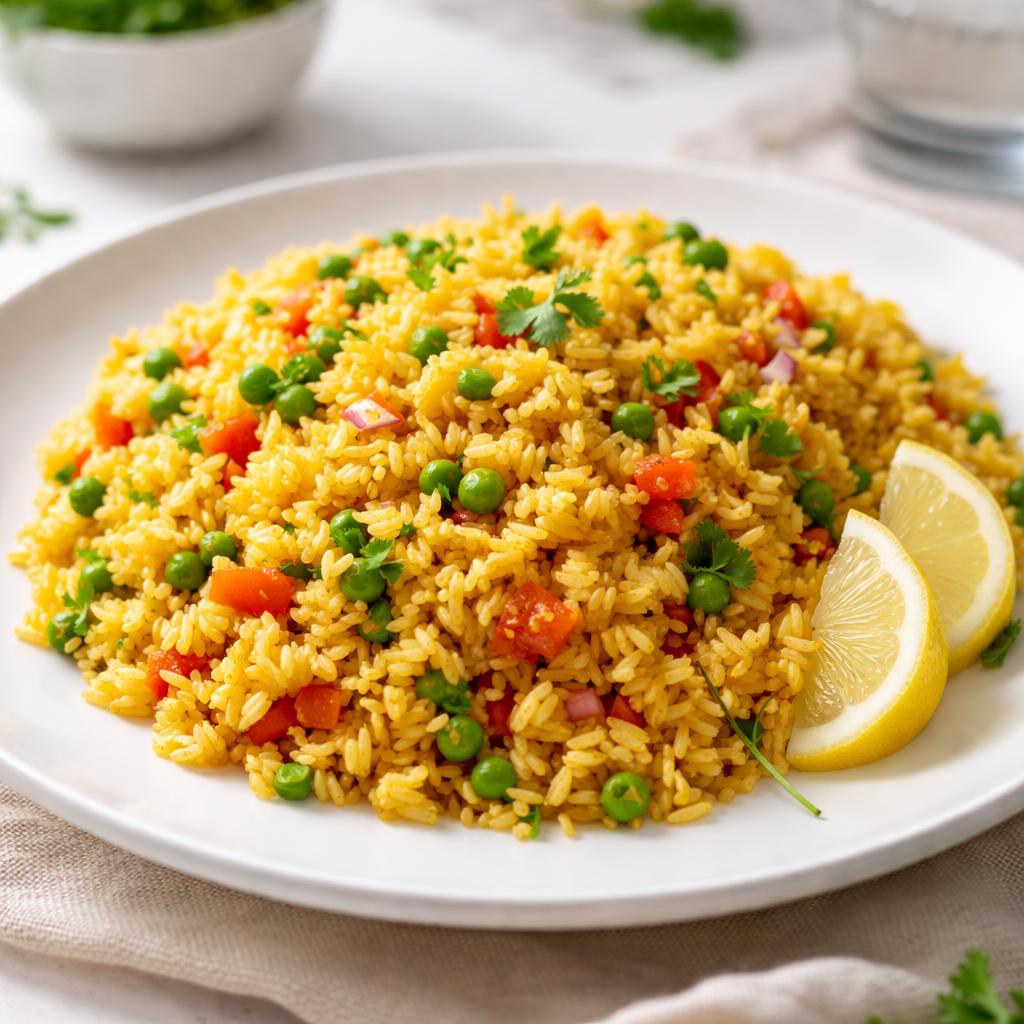
Yellow Rice
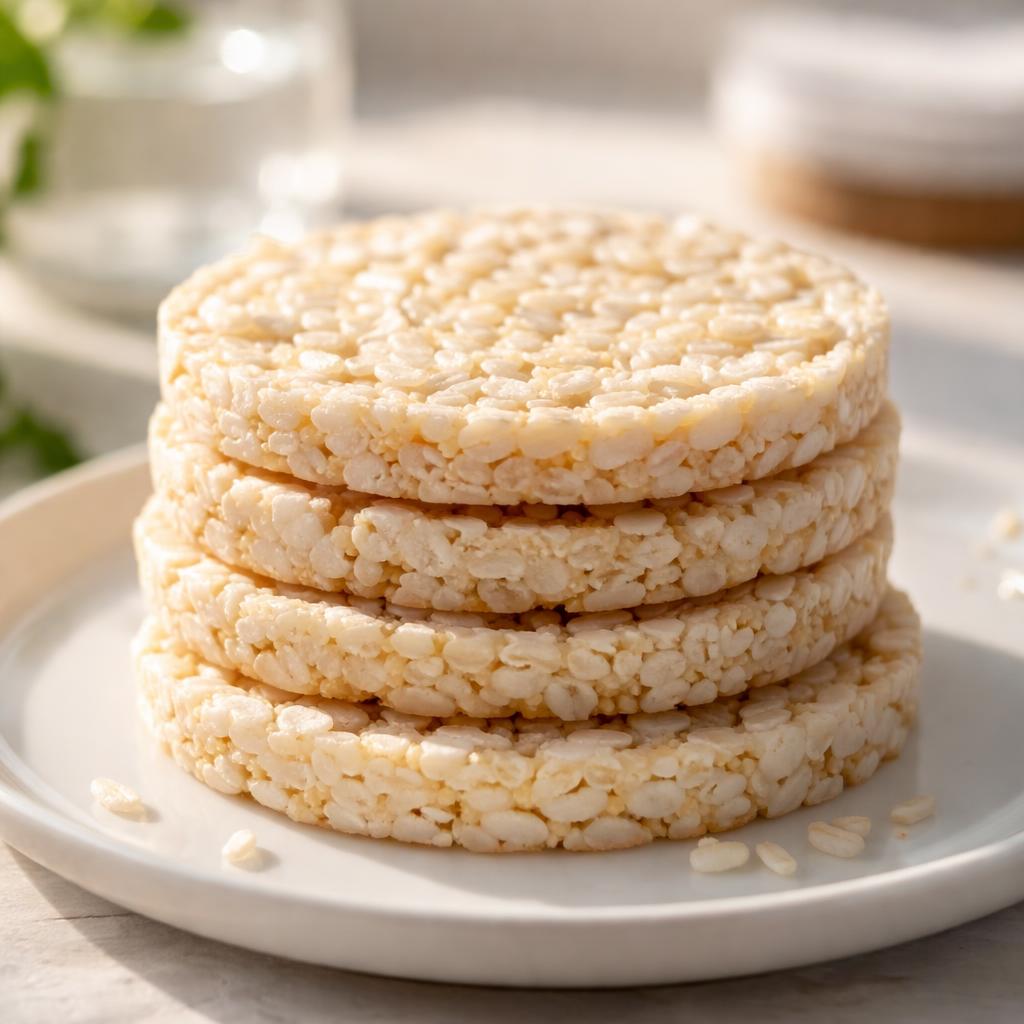
Rice Cake
🎯 Quick Verdict
Yellow rice is higher in protein and fiber, making it a better source of satiety and nutrients overall. Rice cakes are much lower in calories and ideal for snacking or weight management. Yellow rice suits a balanced meal, while rice cakes provide a light, portable option for quick energy boosts.

Smart Nutrition Tracking with SnapCalorie

📊 Nutritional Comparison
Macronutrients
| Nutrient | Food 1 | Food 2 | Winner |
|---|---|---|---|
| Calories | 165 (1 cup cooked) | 35 (1 rice cake) | ✓ |
| Protein | 5g | 1g | ✓ |
| Carbs | 34g | 7g | ✓ |
| Fat | 2g | 0g | ✓ |
| Fiber | 2g | 0.3g | ✓ |
Vitamins & Minerals
| Nutrient | Food 1 | Food 2 | Winner |
|---|---|---|---|
| Vitamin D | 0mcg | 0mcg | − |
| Calcium | 25mg | 0mg | ✓ |
| Iron | 2mg | 0.1mg | ✓ |
| Vitamin A | 120mcg (from turmeric) | 0mcg | ✓ |
🏆 Category Winners
Protein
Yellow rice provides 5 times more protein per serving.
Fiber
Yellow rice provides significantly more fiber, aiding digestion.
Calories
Rice cakes contain 4.7 times fewer calories per serving.
Vitamins
Yellow rice is fortified with iron and contains vitamin A from turmeric.
🥗 Diet Compatibility
Keto
Food 1: Not Compatible
Food 2: Not Compatible
Both are too high in carbs for a keto diet.
Vegan
Food 1: Compatible
Food 2: Compatible
Neither food contains animal-based ingredients.
Gluten Free
Food 1: Compatible
Food 2: Compatible
Both foods are naturally gluten-free.
Paleo
Food 1: Not Compatible
Food 2: Compatible
Rice cakes align with paleo principles, but yellow rice is processed and includes seasonings that may not fit.
Low-Carb
Food 1: Not Compatible
Food 2: Compatible
Rice cakes are low-carb compared to yellow rice (7g vs 34g per serving).
💪 Health Benefits Comparison
Food 1 Benefits
- Provides sustained energy with moderate carbs
- Rich in iron for blood health
- Contains vitamin A from turmeric for immune and vision support
- Includes fiber for digestive health
Food 2 Benefits
- Low-calorie option for weight management
- Easily digestible and gentle on the stomach
- Portable and convenient for quick energy
- Gluten-free snack for sensitive diets
✅ The Bottom Line
Yellow rice offers greater nutritional value with higher protein, fiber, and vitamins, making it a good choice for balanced meals. Rice cakes are ideal for low-calorie snacking, portability, and quick energy boosts. Choose based on your goals and dietary needs.
Choose Food 1 for: Balanced meals, higher protein intake, iron boost
Choose Food 2 for: Weight management, light snacking, low-carb diets


