Yellow Rice VS Corn Bread
A detailed nutritional comparison
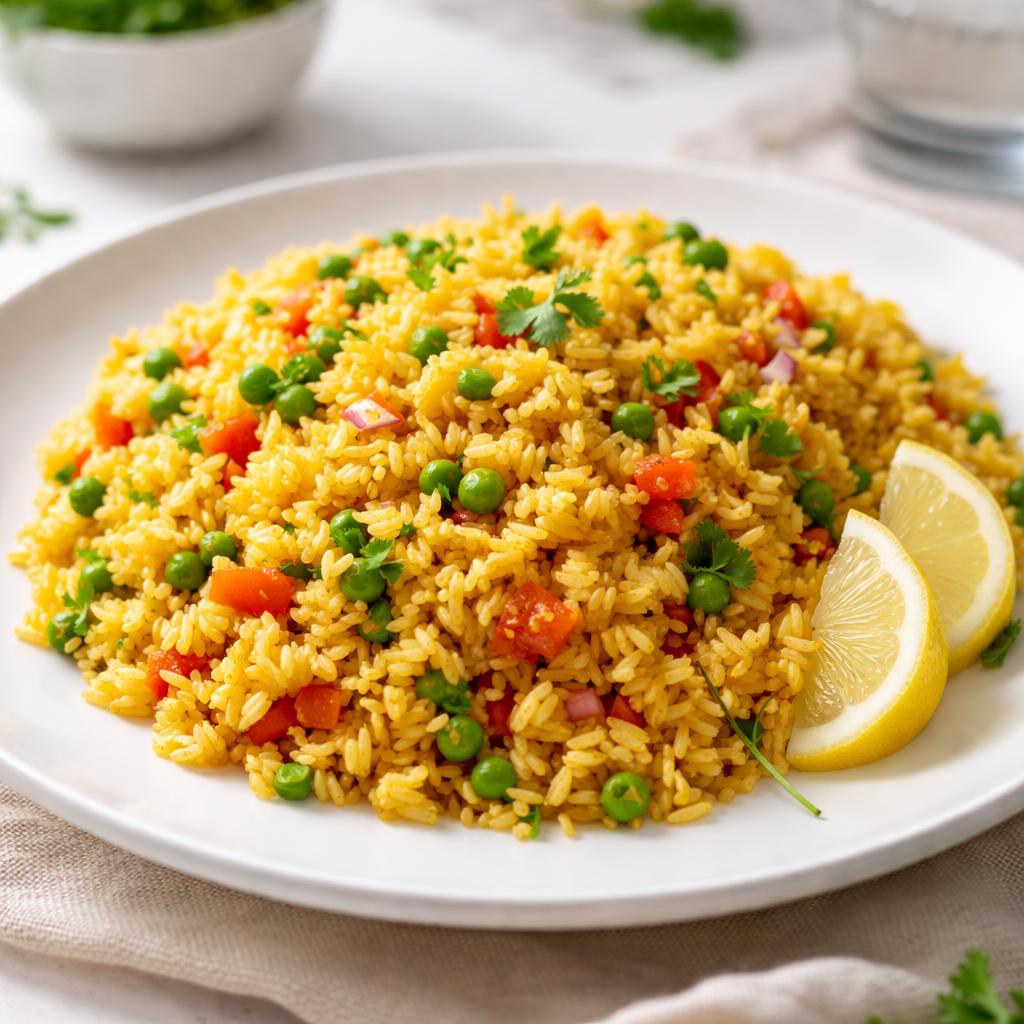
Yellow Rice
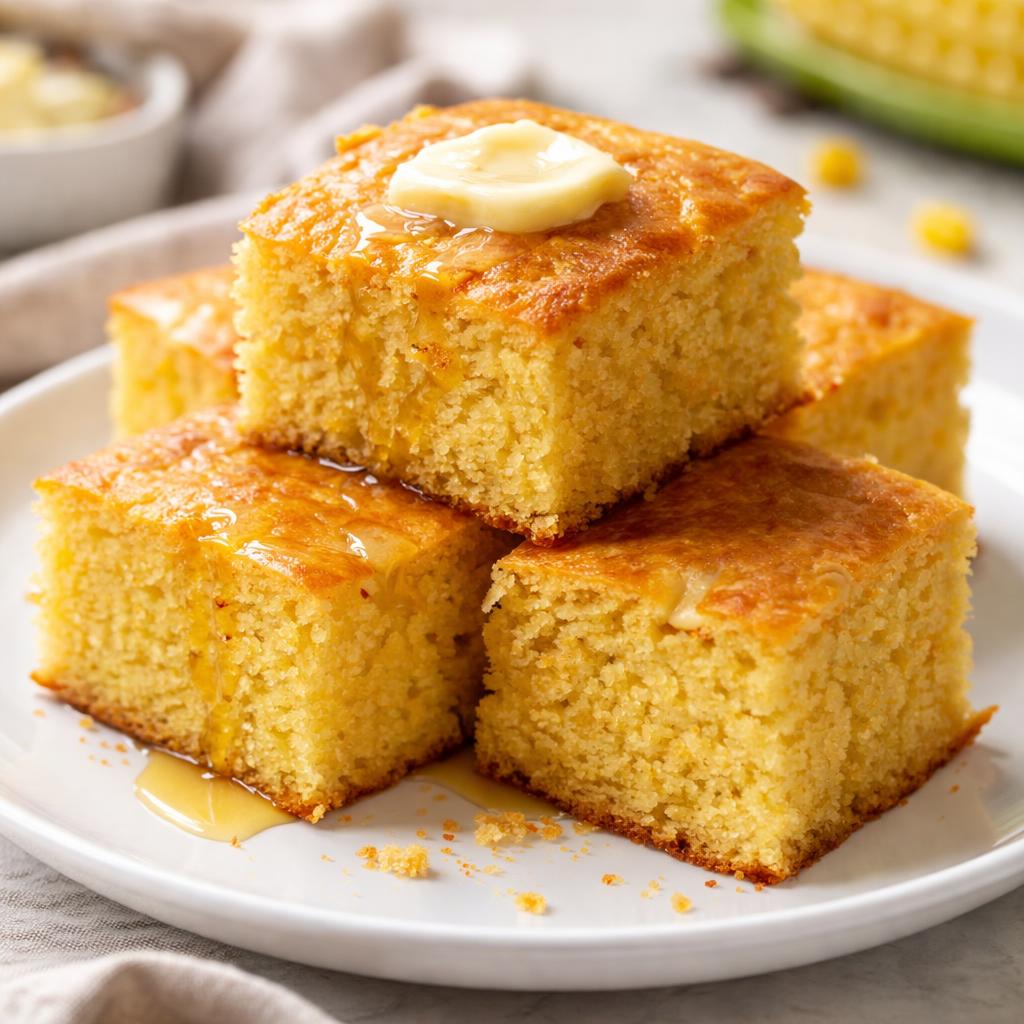
Corn Bread
🎯 Quick Verdict
Yellow rice is lower in calories and fat, making it great for lighter meals or weight-loss plans, while corn bread is higher in fiber and offers more sustained energy due to its complex carbohydrates. Both have similar protein content, but corn bread provides more minerals and is better suited for nutrient-dense diets.

Smart Nutrition Tracking with SnapCalorie

📊 Nutritional Comparison
Macronutrients
| Nutrient | Food 1 | Food 2 | Winner |
|---|---|---|---|
| Calories | 150 per cup | 200 per slice | ✓ |
| Protein | 4g per cup | 4g per slice | − |
| Carbs | 30g per cup | 28g per slice | ✓ |
| Fat | 1g per cup | 7g per slice | ✓ |
| Fiber | 1g per cup | 2g per slice | ✓ |
Vitamins & Minerals
| Nutrient | Food 1 | Food 2 | Winner |
|---|---|---|---|
| Vitamin A | 0mcg | 15mcg | ✓ |
| Calcium | 6mg | 75mg | ✓ |
| Iron | 0.5mg | 1.5mg | ✓ |
🏆 Category Winners
Protein
Both provide equal protein (4g per serving).
Fiber
Corn bread offers double the fiber compared to yellow rice.
Calories
Yellow rice has 25% fewer calories than corn bread.
Vitamins
Corn bread is richer in Vitamin A, calcium, and iron.
🥗 Diet Compatibility
Keto
Food 1: Not Compatible
Food 2: Not Compatible
Both are high-carb foods and not suitable for keto diets.
Vegan
Food 1: Compatible
Food 2: Compatible if made with plant-based ingredients
Yellow rice is vegan; corn bread may require substitutes for dairy or eggs.
Gluten Free
Food 1: Compatible
Food 2: Not Compatible
Yellow rice is naturally gluten-free, but corn bread typically contains wheat flour.
Paleo
Food 1: Not Compatible
Food 2: Not Compatible
Neither adhere to paleo principles due to processed or starchy ingredients.
Low-Carb
Food 1: Not Compatible
Food 2: Not Compatible
Both foods have significant carbohydrate content and are not low-carb.
💪 Health Benefits Comparison
Food 1 Benefits
- Low in fat, suitable for weight management diets
- Gluten-free and easy to digest
- Contains B vitamins from enriched rice, supporting energy metabolism
Food 2 Benefits
- Higher fiber content aids digestion and promotes satiety
- Rich in minerals like calcium and iron for bone and blood health
- Contains Vitamin A, which supports eye health
✅ The Bottom Line
Yellow rice is ideal for those seeking lower-calorie, low-fat options, especially for lighter meals. Corn bread, on the other hand, offers more fiber and nutrients, making it a better choice for nutrient-dense snacking or hearty side dishes.
Choose Food 1 for: Weight management, gluten-free diets, lighter meals
Choose Food 2 for: Heavy meals, nutrient density, fiber-rich snacking


