Yellow Rice VS Black Beans And Rice
A detailed nutritional comparison
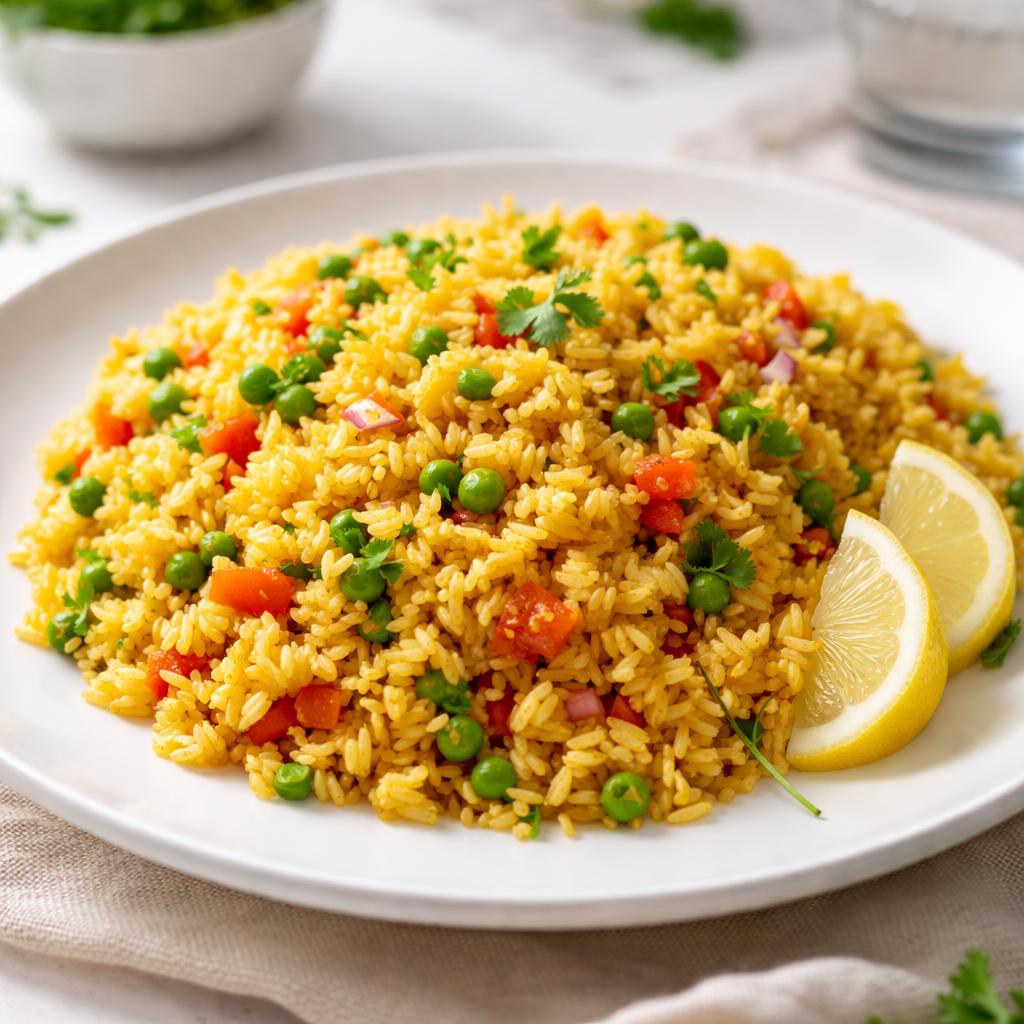
Yellow Rice
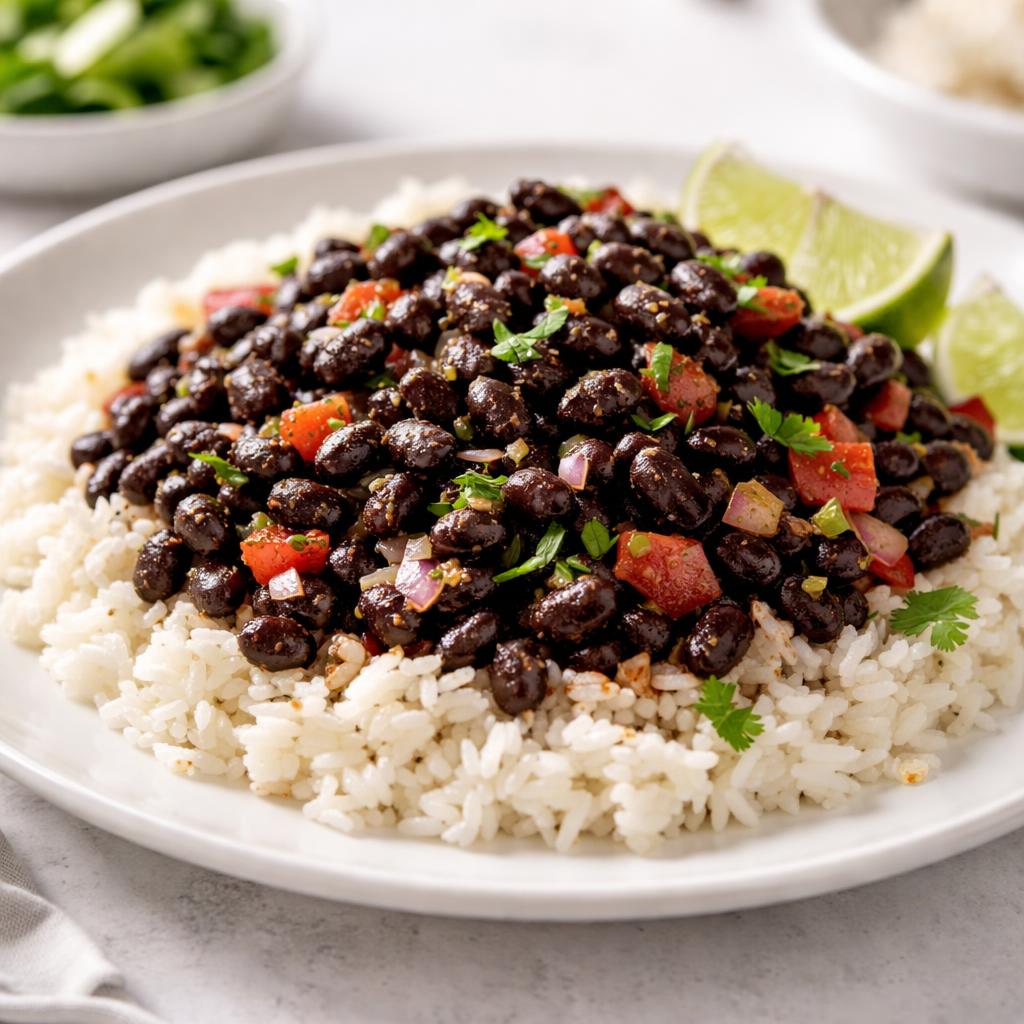
Black Beans And Rice
🎯 Quick Verdict
Black beans and rice generally outperform yellow rice because they provide significantly more protein (9g vs 3g) and fiber (7g vs 1g), making them a better choice for a balanced meal. However, yellow rice is lower in calories and may be preferred for lighter dishes or weight management goals.

Smart Nutrition Tracking with SnapCalorie

📊 Nutritional Comparison
Macronutrients
| Nutrient | Food 1 | Food 2 | Winner |
|---|---|---|---|
| Calories | 200 | 230 | ✓ |
| Protein | 3g | 9g | ✓ |
| Carbs | 44g | 43g | ✓ |
| Fat | 4g | 2g | ✓ |
| Fiber | 1g | 7g | ✓ |
Vitamins & Minerals
| Nutrient | Food 1 | Food 2 | Winner |
|---|---|---|---|
| Iron | 1mg | 2.1mg | ✓ |
| Calcium | 20mg | 60mg | ✓ |
| Potassium | 55mg | 300mg | ✓ |
🏆 Category Winners
Protein
Black beans and rice contain 3x more protein per serving.
Fiber
Black beans and rice provide significantly higher fiber content for better digestion.
Calories
Yellow rice has 13% fewer calories per serving.
Vitamins
Black beans and rice are richer in iron, calcium, and potassium compared to yellow rice.
🥗 Diet Compatibility
Keto
Food 1: Not Compatible
Food 2: Not Compatible
Both are high in carbohydrates, making them unsuitable for ketogenic diets.
Vegan
Food 1: Compatible
Food 2: Compatible
Both are plant-based and suitable for vegans.
Gluten Free
Food 1: Compatible
Food 2: Compatible
Neither contains gluten, provided no cross-contamination occurs.
Paleo
Food 1: Not Compatible
Food 2: Not Compatible
Rice is not allowed on a strict paleo diet.
Low Carb
Food 1: Not Compatible
Food 2: Not Compatible
Both are relatively high in carbohydrates, unsuitable for low-carb diets.
💪 Health Benefits Comparison
Food 1 Benefits
- Lower in calories for weight management
- Good source of quick-digesting energy from carbohydrates
- Mild flavor complements other dishes well
Food 2 Benefits
- High in protein for muscle support
- Rich in dietary fiber, aiding digestion and promoting satiety
- Excellent source of potassium and iron for energy and heart health
✅ The Bottom Line
Choose black beans and rice for a more nutrient-dense meal with higher protein and fiber, ideal for satiety, muscle support, and overall balanced nutrition. Opt for yellow rice when you need a lower-calorie side dish or are focused on lighter meals.
Choose Food 1 for: Side dishes, weight-conscious meals, complements for rich entrees
Choose Food 2 for: Complete meals, balanced nutrition, higher protein and fiber needs


