Wild Rice VS Porridge Oats
A detailed nutritional comparison
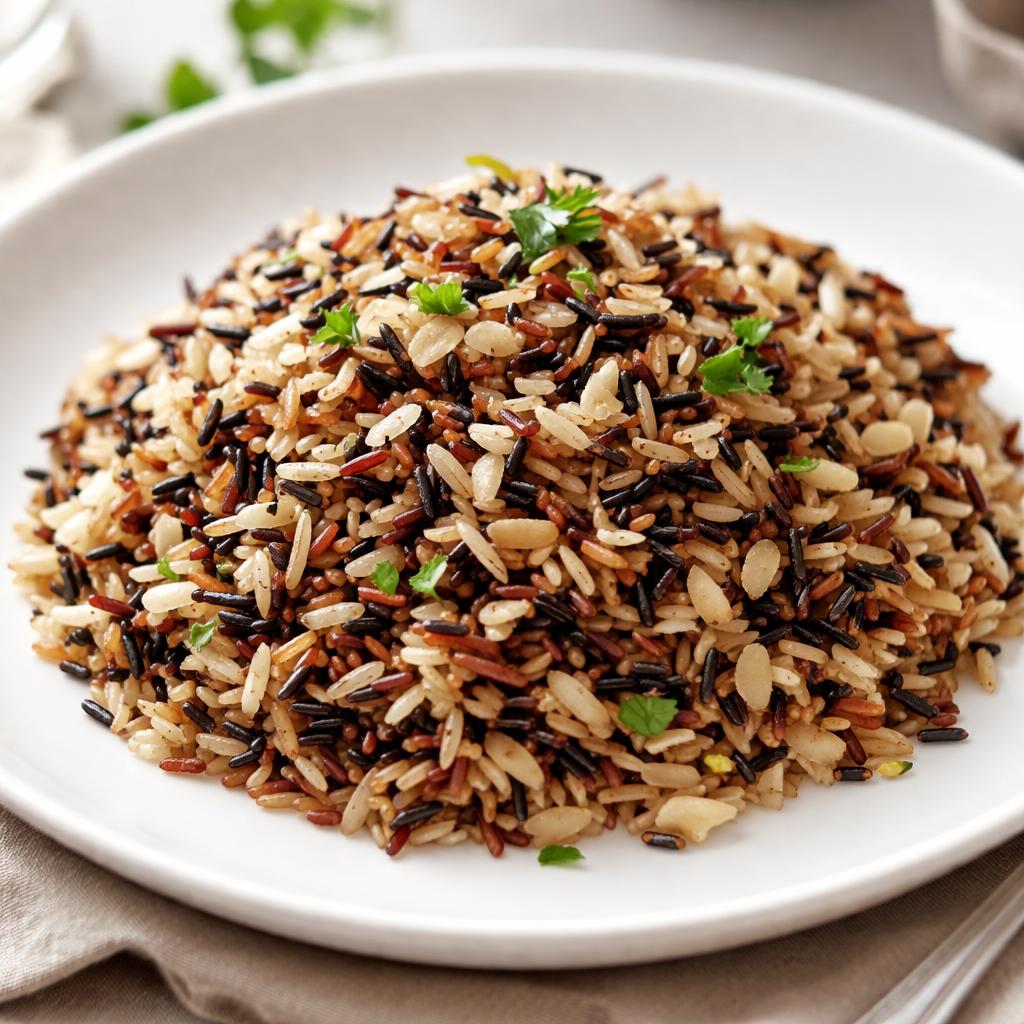
Wild Rice
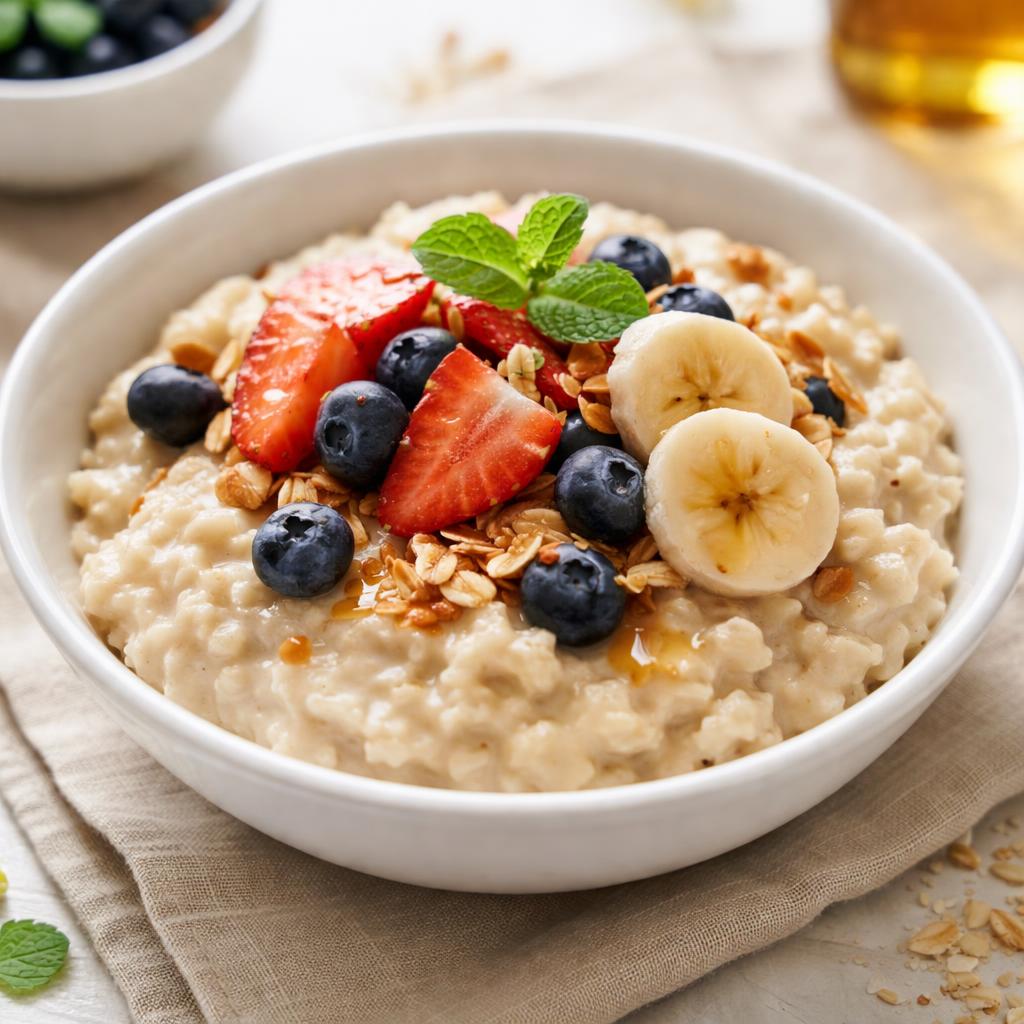
Porridge Oats
🎯 Quick Verdict
Wild rice is lower in calories and offers slightly more protein, making it favorable for calorie-controlled and high-protein diets. Porridge oats deliver more fiber and sustained energy, which makes them ideal for slow-digesting, heart-healthy meals. Both are nutrient-dense options suitable for various dietary preferences, but their best use depends on individual needs and goals.

Smart Nutrition Tracking with SnapCalorie

📊 Nutritional Comparison
Macronutrients
| Nutrient | Food 1 | Food 2 | Winner |
|---|---|---|---|
| Calories | 166 per cup (cooked) | 154 per dry 40g serving | − |
| Protein | 6.5g | 5g | − |
| Carbs | 35g | 27g | − |
| Fat | 0.6g | 2.5g | − |
| Fiber | 3g | 4g | − |
Vitamins & Minerals
| Nutrient | Food 1 | Food 2 | Winner |
|---|---|---|---|
| Vitamin D | 0mcg | 0mcg | − |
| Calcium | 21mg | 18mg | − |
| Iron | 1mg | 1.5mg | − |
| Magnesium | 52mg | 37mg | − |
| Potassium | 166mg | 128mg | − |
🏆 Category Winners
Protein
Wild rice contains 30% more protein per serving than porridge oats.
Fiber
Porridge oats provide 33% more fiber, supporting digestion and heart health.
Calories
Wild rice offers slightly fewer calories, useful for weight management and low-calorie diets.
Vitamins
Wild rice is higher in potassium, magnesium, and calcium.
🥗 Diet Compatibility
Keto
Food 1: Unknown
Food 2: Unknown
Both foods are high-carb and not suitable for ketogenic diets.
Vegan
Food 1: Unknown
Food 2: Unknown
Both are 100% plant-based and vegan-friendly.
Gluten Free
Food 1: Unknown
Food 2: Unknown
Wild rice is naturally gluten-free. Oats must be certified gluten-free to avoid contamination.
Paleo
Food 1: Unknown
Food 2: Unknown
Both foods are grains and not permitted on paleo diets.
Low Carb
Food 1: Unknown
Food 2: Unknown
Both foods contain over 25g of carbs per serving, thus not suitable for strict low-carb diets.
💪 Health Benefits Comparison
Food 1 Benefits
Food 2 Benefits
✅ The Bottom Line
Wild rice and porridge oats both have unique benefits. Wild rice is best for those seeking lower calories and higher protein in their meals, while porridge oats excel in fiber and heart health support. Both foods are versatile, but their selection should depend on individual goals like energy levels or muscle-building support.


