Wild Rice VS Fettuccine Pasta
A detailed nutritional comparison
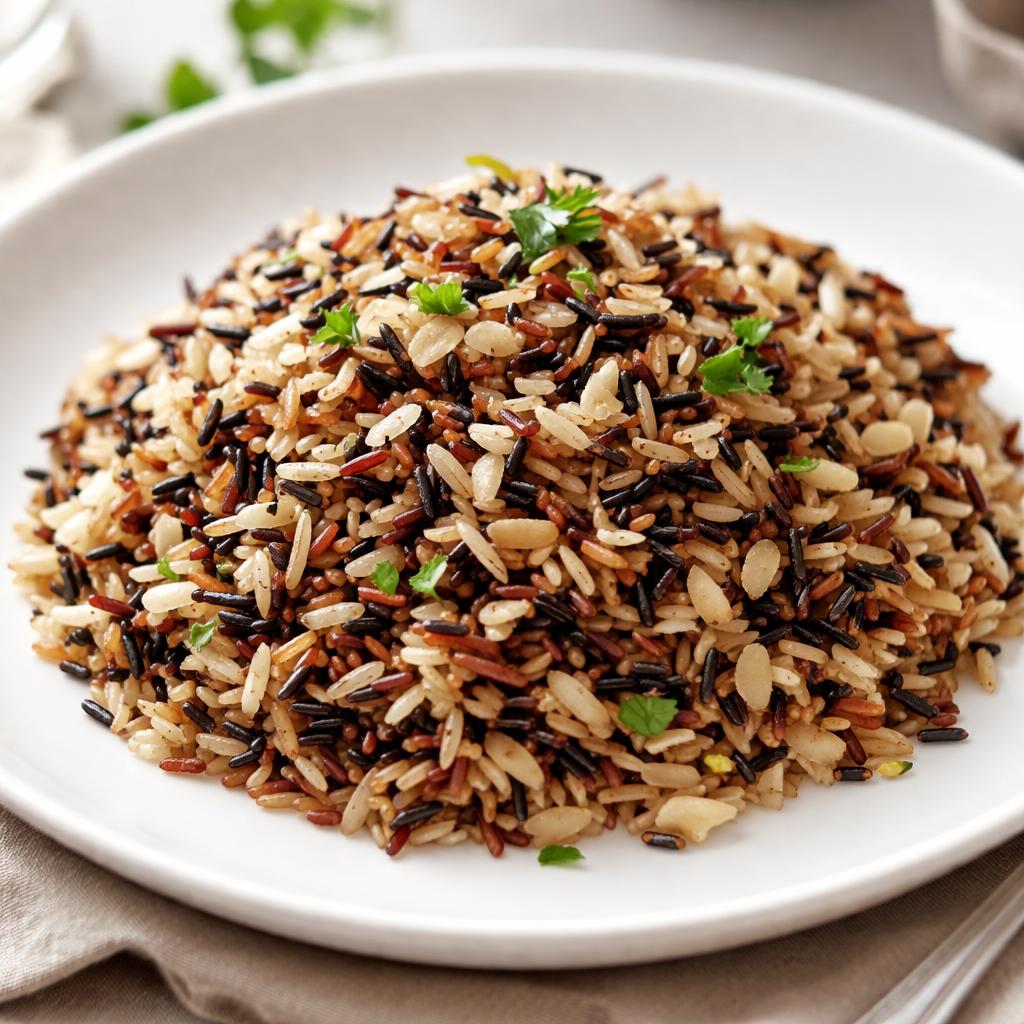
Wild Rice
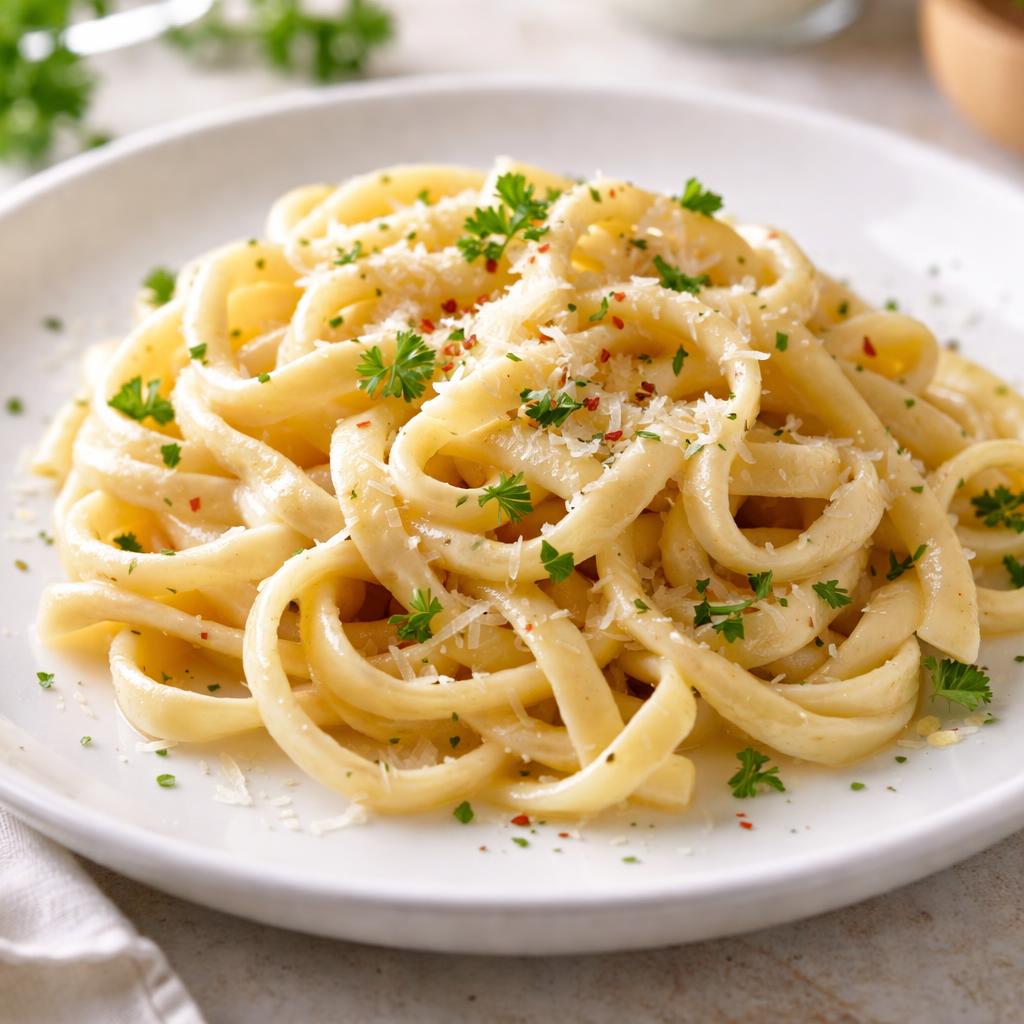
Fettuccine Pasta
🎯 Quick Verdict
Wild rice is nutritionally superior to fettuccine pasta with more protein, fiber, and fewer calories per serving, making it a better choice for weight management and high-nutrient diets. Fettuccine pasta, however, provides sustained energy due to its higher carbohydrate content, ideal for meals requiring energy replenishment.

Smart Nutrition Tracking with SnapCalorie

📊 Nutritional Comparison
Macronutrients
| Nutrient | Food 1 | Food 2 | Winner |
|---|---|---|---|
| Calories | 166 | 220 | − |
| Protein | 6.5g | 7.5g | − |
| Carbs | 35g | 42g | − |
| Fat | 0.6g | 1.3g | − |
| Fiber | 3g | 1g | − |
Vitamins & Minerals
| Nutrient | Food 1 | Food 2 | Winner |
|---|---|---|---|
| Vitamin B6 | 0.1mg | 0mg | − |
| Iron | 0.6mg | 0.6mg | − |
| Magnesium | 42mg | 13mg | − |
🏆 Category Winners
Protein
Both foods provide comparable protein levels, useful for maintaining muscle.
Fiber
Wild rice delivers 3x the fiber, aiding digestive health.
Calories
Wild rice has 25% fewer calories than fettuccine pasta per serving.
Vitamins
Wild rice contains more magnesium and vitamin B6, valuable for energy and metabolism.
🥗 Diet Compatibility
Keto
Food 1: Not Compatible
Food 2: Not Compatible
Both foods are high-carb, unsuitable for keto diets.
Vegan
Food 1: Compatible
Food 2: Compatible
Both foods are plant-based and vegan-friendly.
Gluten Free
Food 1: Compatible
Food 2: Not Compatible
Wild rice is naturally gluten-free, while fettuccine pasta contains gluten unless specifically labeled gluten-free.
Paleo
Food 1: Compatible
Food 2: Not Compatible
Wild rice is paleo-friendly, but fettuccine pasta typically contains processed grains, which are excluded from a paleo diet.
Low-Carb
Food 1: Not Compatible
Food 2: Not Compatible
Both options are relatively high in carbohydrates.
💪 Health Benefits Comparison
Food 1 Benefits
- Rich in fiber for better digestion
- Contains magnesium to support muscle and nerve function
- Provides vitamin B6 for energy production
- Low in fat compared to many carb-based foods
Food 2 Benefits
- Provides sustained energy due to its higher carbohydrate content
- Sources some protein to maintain muscle health
- Can be fortified with nutrients depending on the brand
- Easy to pair with nutrient-dense sauces or toppings
✅ The Bottom Line
Choose wild rice for its overall superior nutrition, as it is lower in calories, higher in fiber, and provides key minerals like magnesium. Opt for fettuccine pasta if you need high-energy meals or are seeking a hearty option for traditional recipes like creamy pasta dishes.
Choose Food 1 for: Weight loss, digestive health, high-nutrient diets
Choose Food 2 for: Energy replenishment, meal versatility, traditional recipes


