Wholemeal Bread VS Wheat Flour
A detailed nutritional comparison
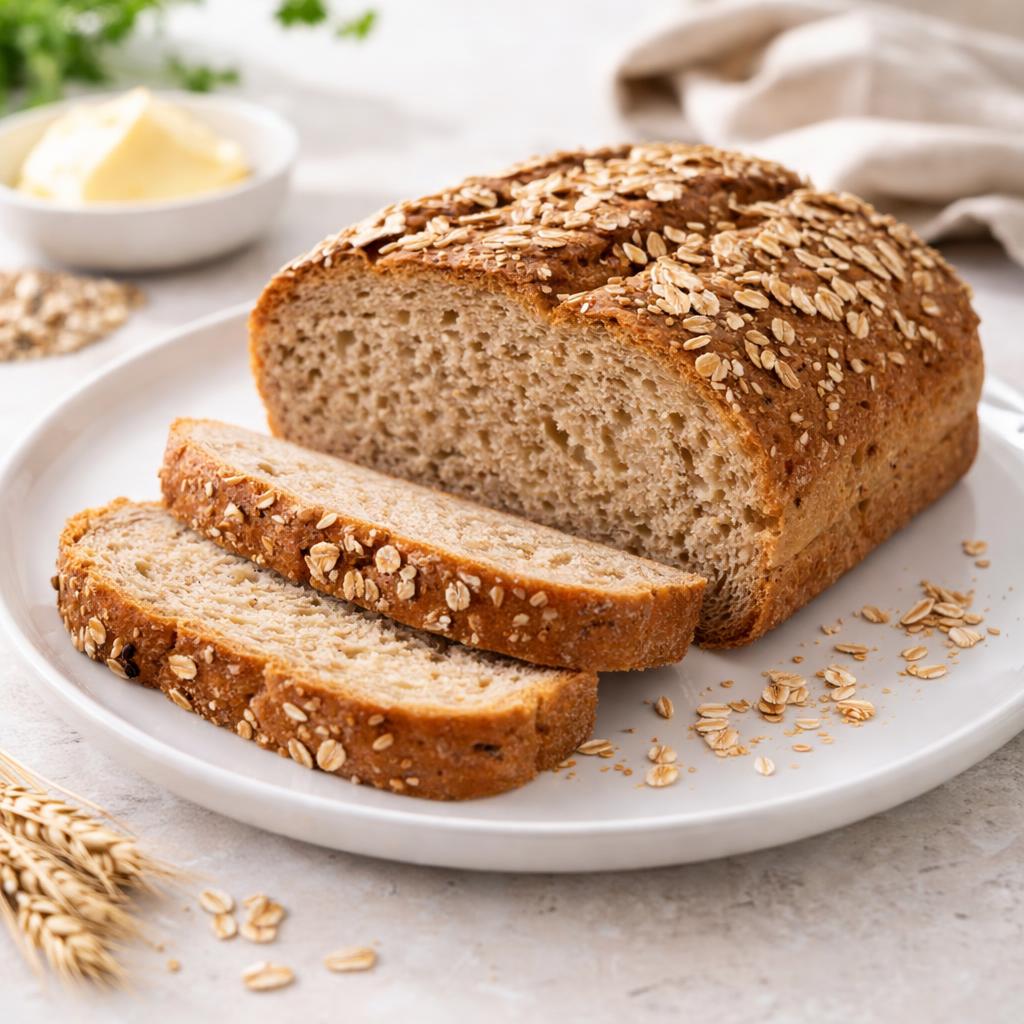
Wholemeal Bread
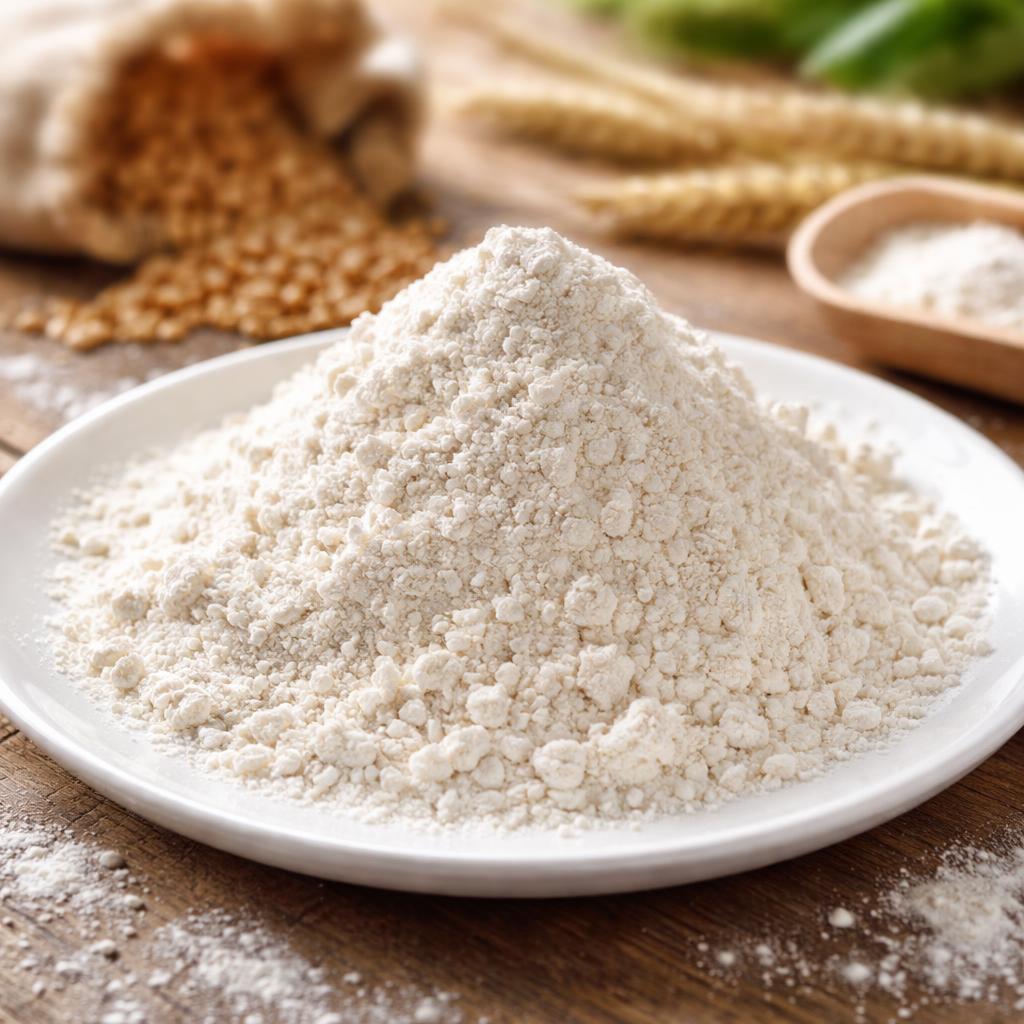
Wheat Flour
🎯 Quick Verdict
Wholemeal bread is significantly higher in fiber, protein, and essential nutrients, making it a more balanced option. Wheat flour is more calorie-dense and has lower fiber content, but it may be preferred for baking and recipes requiring finer texture. Wholemeal bread is better suited for general health and weight management, while wheat flour serves as a versatile ingredient in cooking.

Smart Nutrition Tracking with SnapCalorie

📊 Nutritional Comparison
Macronutrients
| Nutrient | Food 1 | Food 2 | Winner |
|---|---|---|---|
| Calories | 240 kcal (per 100g) | 364 kcal (per 100g) | ✓ |
| Protein | 12g | 10g | ✓ |
| Carbs | 41g | 76g | ✓ |
| Fat | 4g | 1g | ✓ |
| Fiber | 6g | 2g | ✓ |
Vitamins & Minerals
| Nutrient | Food 1 | Food 2 | Winner |
|---|---|---|---|
| Vitamin B1 (Thiamine) | 0.24mg | 0.16mg | ✓ |
| Vitamin B3 (Niacin) | 3.6mg | 4.3mg | ✓ |
| Iron | 3.9mg | 3.6mg | ✓ |
🏆 Category Winners
Protein
Wholemeal bread has 20% more protein per serving than wheat flour.
Fiber
Wholemeal bread has three times more fiber, supporting digestion and gut health.
Calories
Wholemeal bread has 34% fewer calories compared to wheat flour.
Vitamins
Wholemeal bread generally contains slightly more iron and B-vitamins due to the inclusion of the wheat germ and bran.
🥗 Diet Compatibility
Keto
Food 1: Not Compatible
Food 2: Not Compatible
Both are high in carbs, making them unsuitable for keto.
Vegan
Food 1: Compatible
Food 2: Compatible
Both are plant-based and suitable for vegan diets.
Gluten Free
Food 1: Not Compatible
Food 2: Not Compatible
Both contain gluten and are unsuitable for gluten-free diets.
Paleo
Food 1: Not Compatible
Food 2: Not Compatible
Both are processed grains, which are excluded in paleo diets.
Low-Carb
Food 1: Not Compatible
Food 2: Not Compatible
Neither food is appropriate for low-carb diets due to high carbohydrate content.
💪 Health Benefits Comparison
Food 1 Benefits
- High fiber content aids in digestive health and helps regulate blood sugar levels.
- Rich in protein for muscle maintenance and repair.
- Contains whole grains, which provide essential vitamins such as B1 and iron.
Food 2 Benefits
- Versatile ingredient for making baked goods, providing energy from carbohydrates.
- Low in fat, making it suitable for low-fat diets.
- Contains some B-vitamins and minerals, though in lower amounts compared to wholemeal bread.
✅ The Bottom Line
Wholemeal bread is the healthier option overall, offering more protein, fiber, and essential vitamins while being lower in calories. It is best suited for balanced, health-conscious meals, especially for weight maintenance and digestion support. Wheat flour, while less nutrient-dense, is a good choice for specific culinary needs such as baking, where texture and refinement are more important.
Choose Food 1 for: Weight management, digestion support, balanced meals
Choose Food 2 for: Culinary applications like baking, recipes requiring fine texture


