Whole Wheat Wrap VS Whole Wheat Tortilla
A detailed nutritional comparison
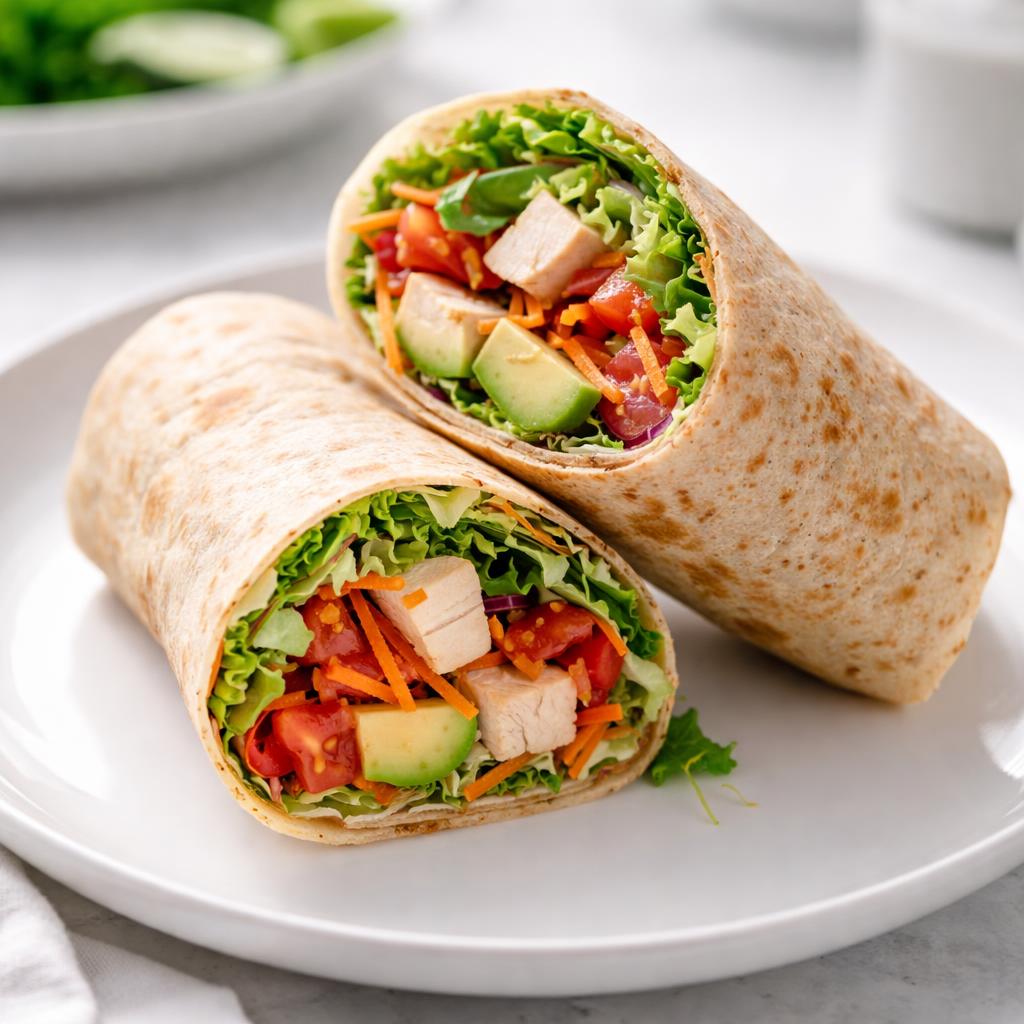
Whole Wheat Wrap
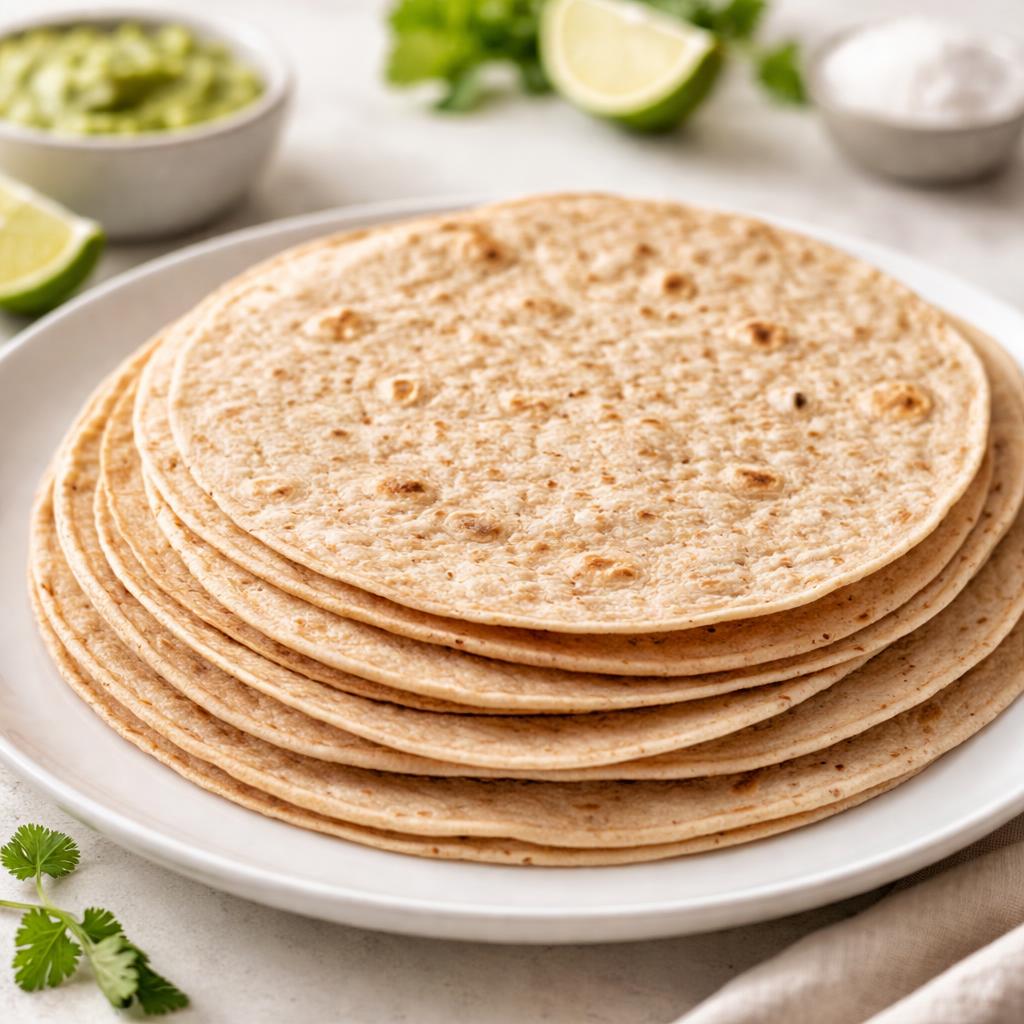
Whole Wheat Tortilla
🎯 Quick Verdict
Whole wheat wraps and whole wheat tortillas are nutritionally similar, with both offering comparable protein and carb levels. However, whole wheat wraps tend to be lower in calories and higher in fiber per serving, making them slightly more ideal for weight-conscious or digestion-focused diets. Tortillas, on the other hand, are a good option for those seeking a versatile, nutrient-dense option for meals like burritos or quesadillas.

Smart Nutrition Tracking with SnapCalorie

📊 Nutritional Comparison
Macronutrients
| Nutrient | Food 1 | Food 2 | Winner |
|---|---|---|---|
| Calories | 130 | 160 | ✓ |
| Protein | 4g | 4g | − |
| Carbs | 24g | 26g | ✓ |
| Fat | 2g | 3g | ✓ |
| Fiber | 5g | 3g | ✓ |
Vitamins & Minerals
| Nutrient | Food 1 | Food 2 | Winner |
|---|---|---|---|
| Vitamin D | 0mcg | 0mcg | − |
| Calcium | 30mg | 40mg | ✓ |
| Iron | 1.5mg | 1.2mg | ✓ |
🏆 Category Winners
Protein
Both have an equal protein content of 4g per serving.
Fiber
Food1 provides 2g more fiber per serving, aiding in digestion.
Calories
Food1 is 30 calories lower per serving than Food2.
🥗 Diet Compatibility
Keto
Food 1: Not Compatible
Food 2: Not Compatible
Both foods are high in carbohydrates, which do not align with keto guidelines.
Vegan
Food 1: Compatible
Food 2: Compatible
Both foods are plant-based and contain no animal products.
Gluten Free
Food 1: Not Compatible
Food 2: Not Compatible
Both foods contain wheat and are not suitable for gluten-free diets.
Paleo
Food 1: Not Compatible
Food 2: Not Compatible
Whole wheat is not compliant with paleo diet principles.
Low Carb
Food 1: Not Compatible
Food 2: Not Compatible
Both foods are higher in carbs, exceeding low-carb thresholds.
💪 Health Benefits Comparison
Food 1 Benefits
- Higher in dietary fiber, supporting digestion.
- Lower in calories, making it a good choice for weight management.
- Good iron content to support healthy blood oxygen levels.
Food 2 Benefits
- Slightly higher calcium, supporting bone health.
- Contains essential carbs for sustained energy levels.
- Versatile for a variety of nutrient-packed meals.
✅ The Bottom Line
Choose whole wheat wraps if you prioritize lower calories and higher fiber for digestion and weight loss goals. Opt for whole wheat tortillas for their slightly higher calcium content and versatility in dishes. Both are good plant-based options, but neither is suitable for gluten-free or keto diets.
Choose Food 1 for: Weight loss, fiber intake, lighter meals
Choose Food 2 for: Energy sustenance, nutrient variety, versatile recipes


