Whole Wheat Wrap VS Whole Wheat Sandwich
A detailed nutritional comparison
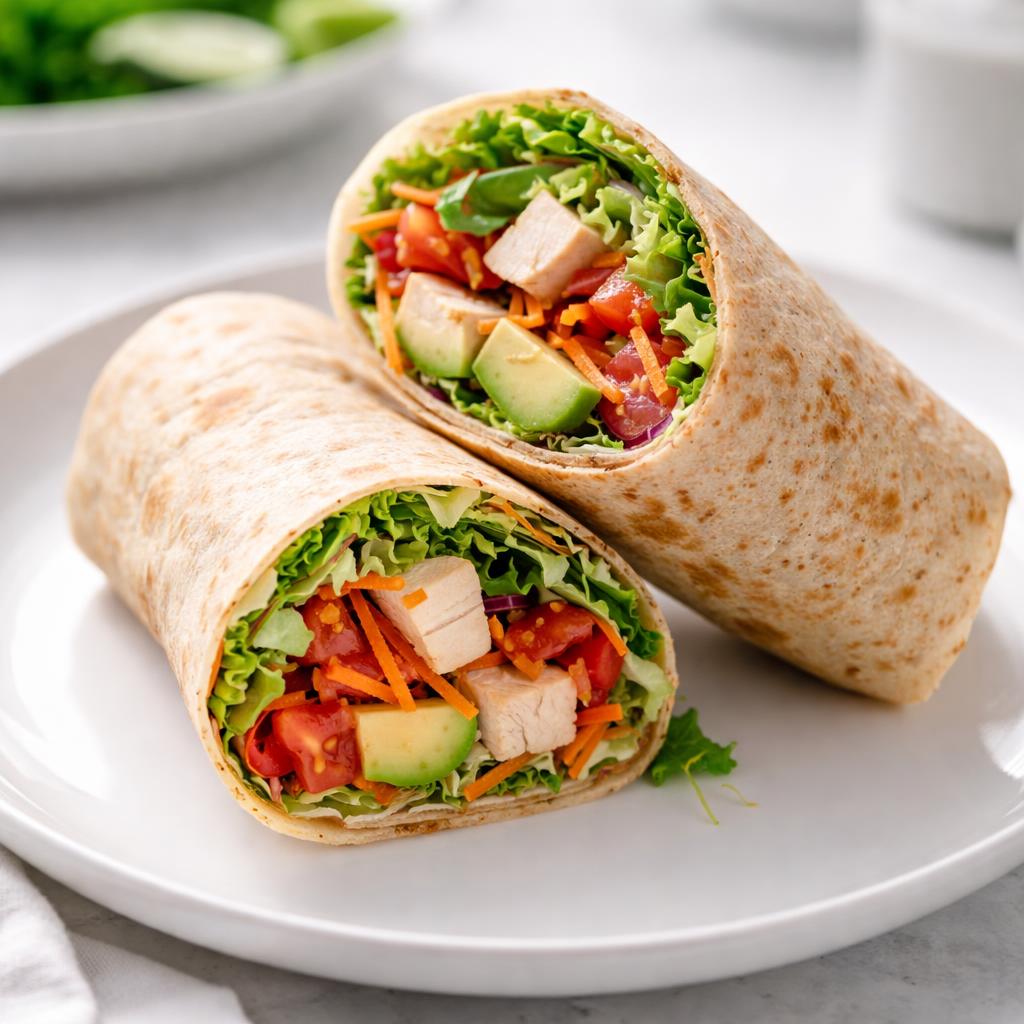
Whole Wheat Wrap
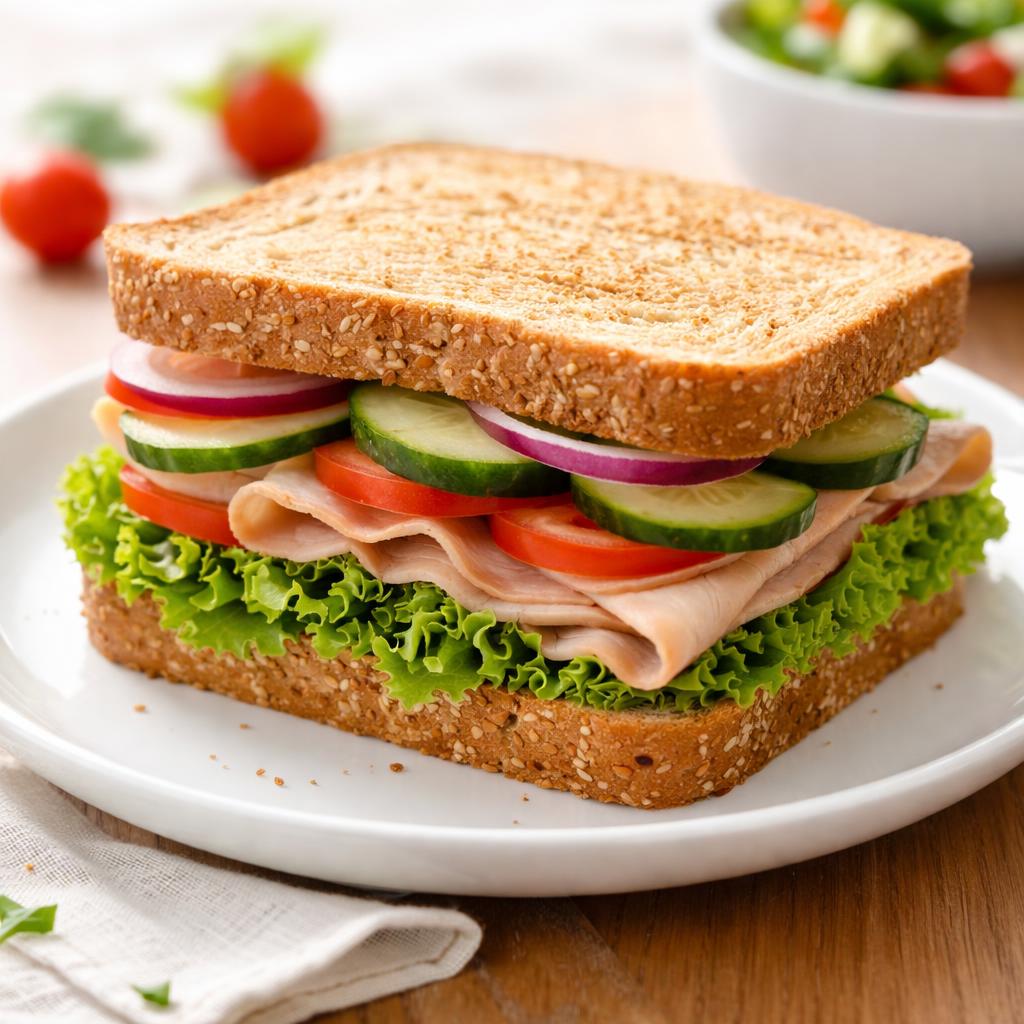
Whole Wheat Sandwich
🎯 Quick Verdict
Whole wheat wraps generally provide fewer calories and slightly higher protein per serving compared to whole wheat sandwiches, making them a better option for those seeking weight loss or high-protein diets. Meanwhile, whole wheat sandwiches tend to offer more fiber and are great for sustained energy and digestive health. Both are versatile and compatible with most diets.

Smart Nutrition Tracking with SnapCalorie

📊 Nutritional Comparison
Macronutrients
| Nutrient | Food 1 | Food 2 | Winner |
|---|---|---|---|
| Calories | 130 | 150 | ✓ |
| Protein | 6g | 5g | ✓ |
| Carbs | 22g | 28g | ✓ |
| Fat | 3g | 2.5g | ✓ |
| Fiber | 3g | 4g | ✓ |
Vitamins & Minerals
| Nutrient | Food 1 | Food 2 | Winner |
|---|---|---|---|
| Vitamin D | 0mcg | 0mcg | − |
| Calcium | 50mg | 40mg | ✓ |
| Iron | 1.5mg | 2mg | ✓ |
🏆 Category Winners
Protein
Food1 has 20% more protein per serving compared to food2.
Fiber
Food2 contains 33% more fiber.
Calories
Food1 has 13% fewer calories per serving.
Vitamins
Food2 has more iron, which supports healthy blood function.
🥗 Diet Compatibility
Keto
Food 1: Not Compatible
Food 2: Not Compatible
Both are too high in carbs for a keto diet.
Vegan
Food 1: Compatible
Food 2: Compatible
Both are plant-based and free from animal products.
Gluten Free
Food 1: Not Compatible
Food 2: Not Compatible
Both contain gluten from whole wheat grains.
Paleo
Food 1: Not Compatible
Food 2: Not Compatible
Grains such as wheat are excluded from paleo diets.
Low Carb
Food 1: Better Option
Food 2: Not Compatible
Food1 has slightly fewer carbs, making it closer to low-carb guidelines.
💪 Health Benefits Comparison
Food 1 Benefits
- Lower calorie option for weight management
- Slightly higher protein for muscle support
- Provides moderate fiber for digestion
Food 2 Benefits
- Great source of fiber for gut health
- Higher iron for improved blood health
- Provides sustained energy from complex carbs
✅ The Bottom Line
If you're looking for a lower-calorie option that supports high-protein goals, the whole wheat wrap is a better choice. For those prioritizing fiber and iron intake, or seeking sustained energy, the whole wheat sandwich is preferable.
Choose Food 1 for: Weight loss, post-workout meals, protein-focused diets
Choose Food 2 for: Digestive health, energy maintenance, iron-rich diets


