Whole Wheat Wrap VS Rice With Meat
A detailed nutritional comparison
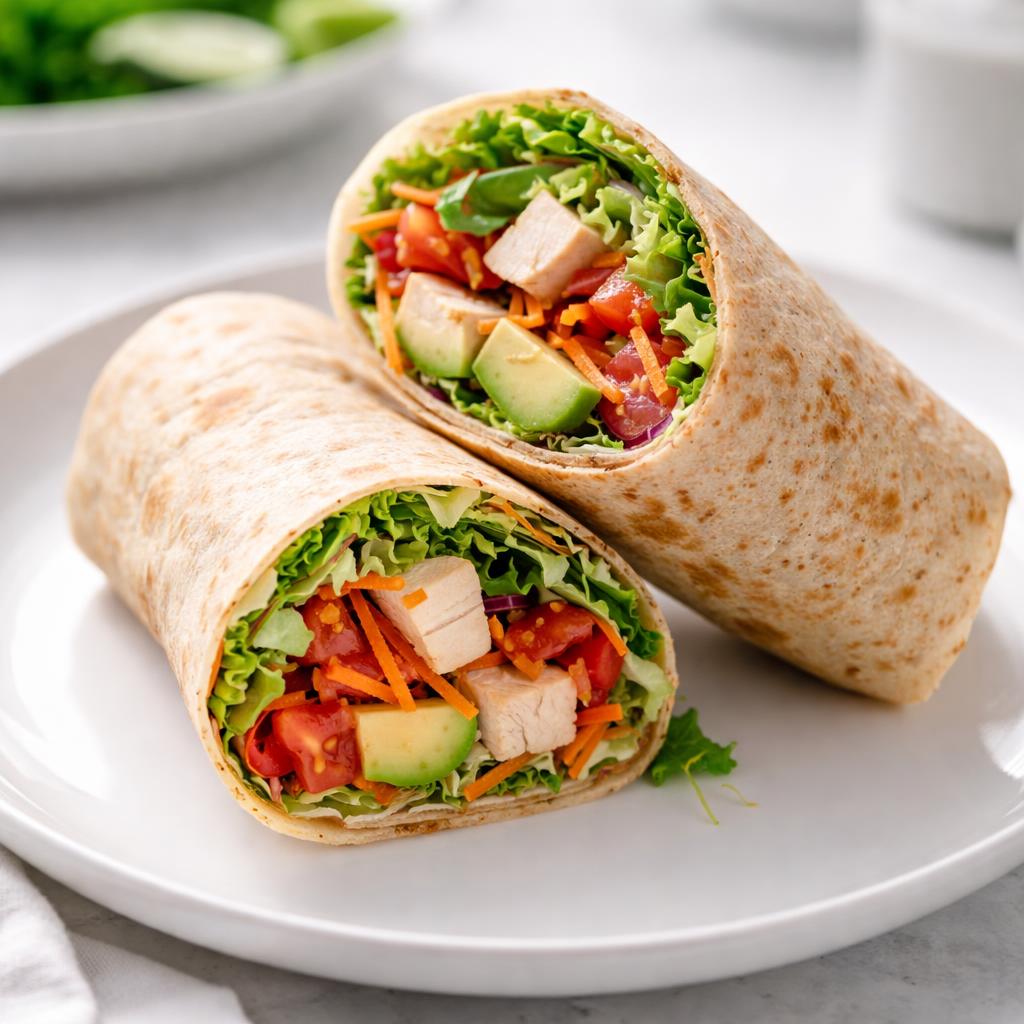
Whole Wheat Wrap
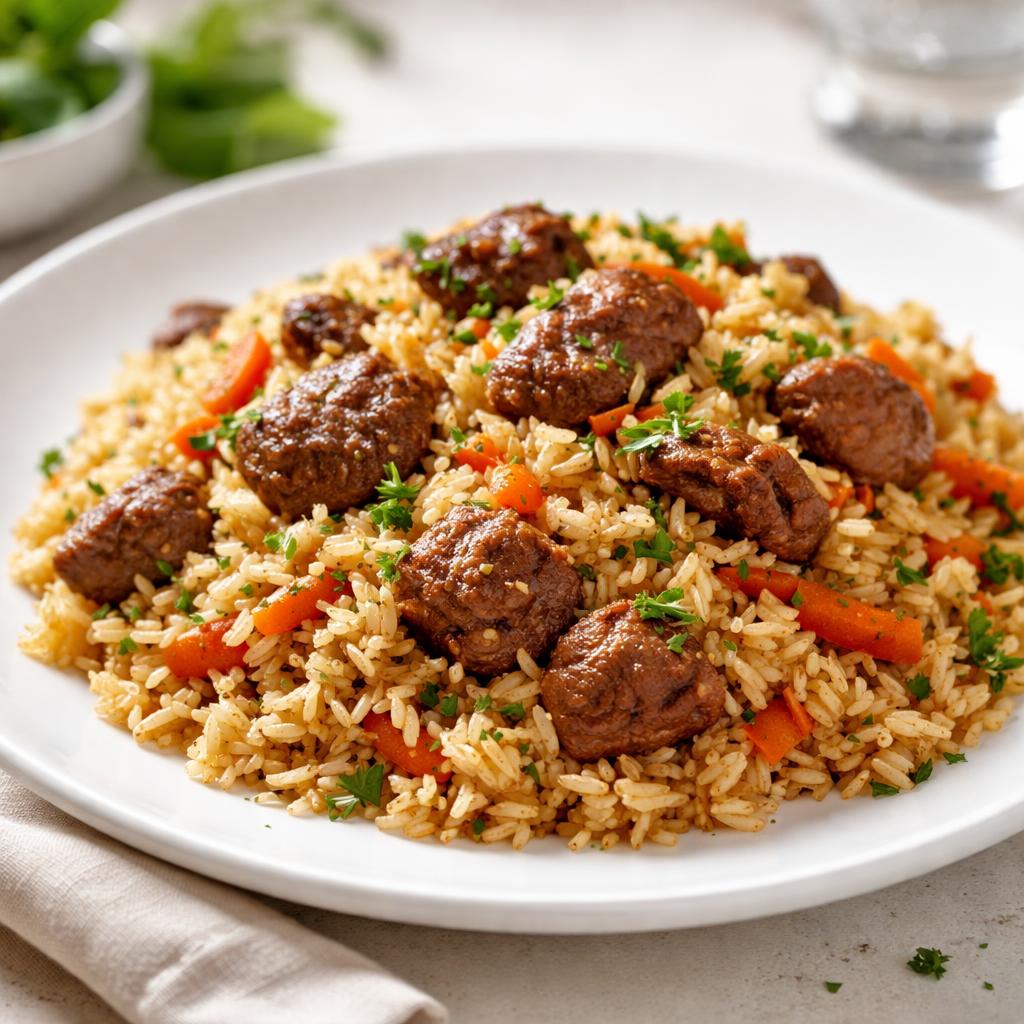
Rice With Meat
🎯 Quick Verdict
Whole wheat wraps and rice with meat differ significantly in their nutritional profiles. Whole wheat wraps are lower in calories, high in fiber, and suitable for low-carb diets. Rice with meat provides more protein and includes healthy fats from the meat but has higher calories and fewer fibers. Both have complementary uses—wraps for lighter meals, rice with meat for higher energy needs.

Smart Nutrition Tracking with SnapCalorie

📊 Nutritional Comparison
Macronutrients
| Nutrient | Food 1 | Food 2 | Winner |
|---|---|---|---|
| Calories | 130 | 310 | ✓ |
| Protein | 4g | 15g | ✓ |
| Carbs | 24g | 35g | ✓ |
| Fat | 2g | 12g | ✓ |
| Fiber | 3g | 1g | ✓ |
Vitamins & Minerals
| Nutrient | Food 1 | Food 2 | Winner |
|---|---|---|---|
| Vitamin D | 0mcg | 2mcg | ✓ |
| Calcium | 30mg | 20mg | ✓ |
| Iron | 1mg | 2mg | ✓ |
🏆 Category Winners
Protein
Rice with meat provides nearly 4x more protein per serving, primarily from the meat.
Fiber
Whole wheat wrap offers 3g of fiber per serving compared to 1g in rice with meat.
Calories
Whole wheat wrap is lower in calories, making it better suited for weight management.
🥗 Diet Compatibility
Keto
Food 1: Not Compatible
Food 2: Not Compatible
Both foods are moderate to high in carbs.
Vegan
Food 1: Compatible
Food 2: Not Compatible
Whole wheat wrap is plant-based; rice with meat includes animal protein.
Gluten Free
Food 1: Not Compatible
Food 2: Compatible
Whole wheat wrap contains gluten, while rice with meat does not.
Paleo
Food 1: Not Compatible
Food 2: Compatible
Whole wheat wrap contains grains, which are excluded on paleo diets, while rice with meat aligns with paleo frameworks.
Low Carb
Food 1: Compatible
Food 2: Not Compatible
Whole wheat wrap has lower carbs (24g vs 35g).
💪 Health Benefits Comparison
Food 1 Benefits
- High in fiber, supports healthy digestion
- Low-calorie option for weight management
- Provides nutrients like magnesium and selenium
Food 2 Benefits
- Rich source of protein for muscle growth
- Contains iron to support oxygen transport in the body
- Healthy fats from meat for sustained energy
✅ The Bottom Line
Whole wheat wraps are ideal for lighter meals, weight management, and increasing fiber intake, while rice with meat is better for protein needs, higher energy outputs, and paleo or gluten-free diets. Choose based on your specific dietary goals.
Choose Food 1 for: Weight management, high-fiber diets, meal portability
Choose Food 2 for: Muscle building, high-energy meals, paleo compatibility


