Whole Wheat Bread VS Tomato Pasta Sauce
A detailed nutritional comparison
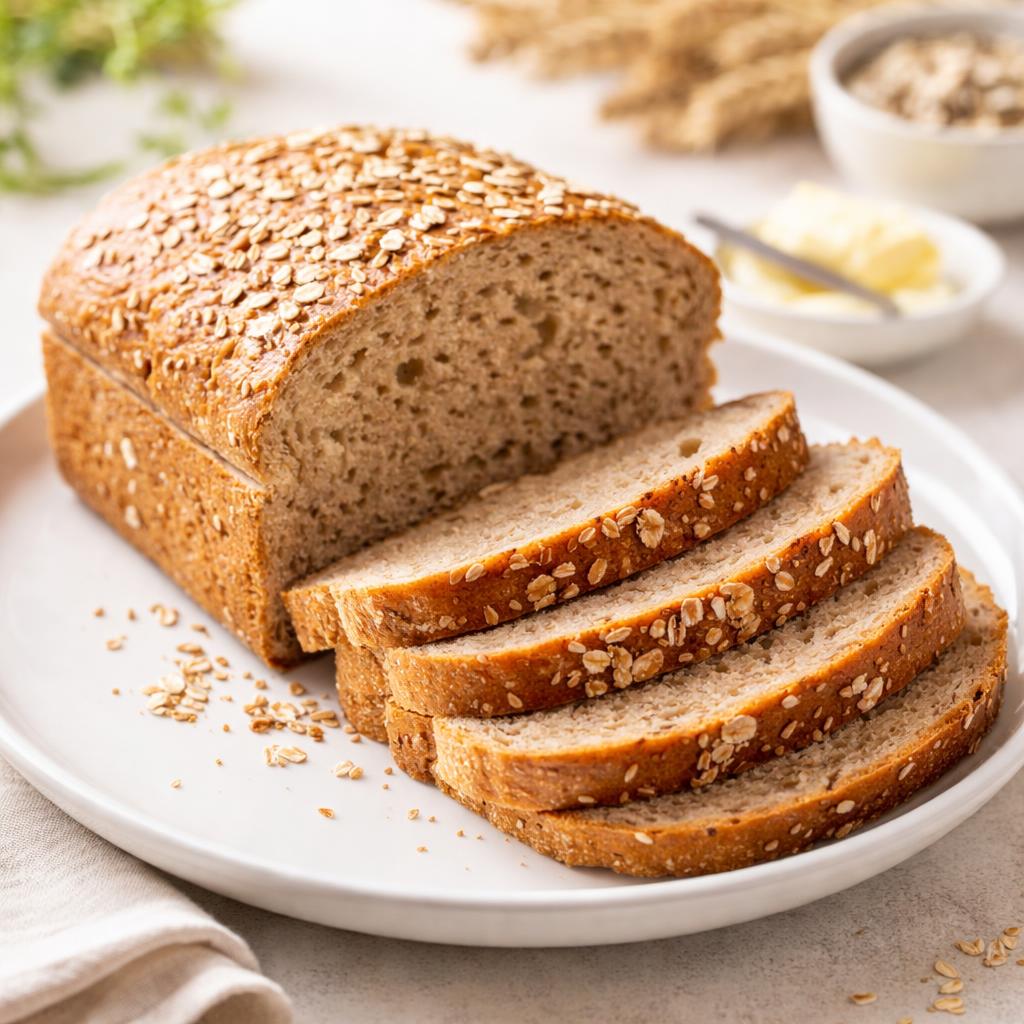
Whole Wheat Bread
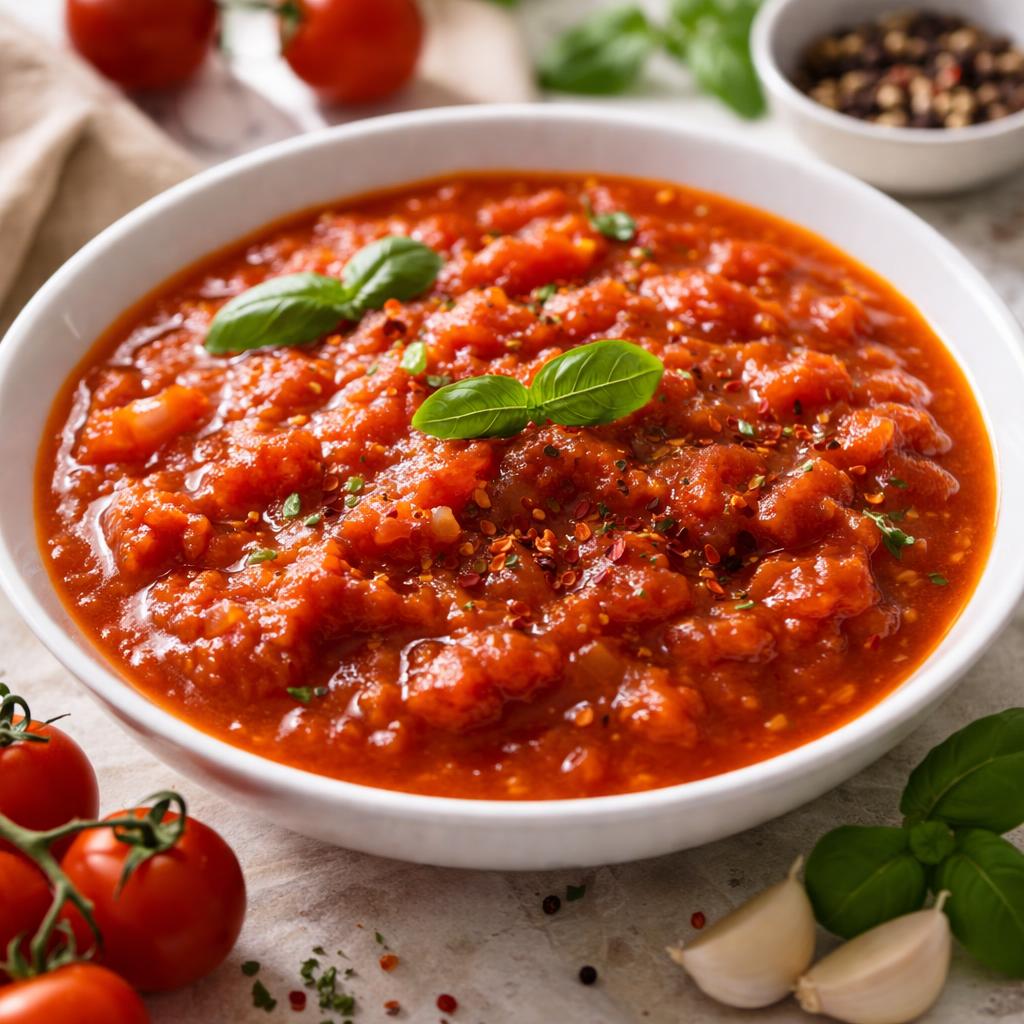
Tomato Pasta Sauce
🎯 Quick Verdict
Whole wheat bread and tomato pasta sauce serve different purposes in a diet. Whole wheat bread is higher in protein and fiber, making it great for satiety and digestion, while tomato pasta sauce is lower in calories and rich in vitamins like vitamin C and potassium. Both are vegan-friendly and can complement various meals well depending on your nutritional goals.

Smart Nutrition Tracking with SnapCalorie

📊 Nutritional Comparison
Macronutrients
| Nutrient | Food 1 | Food 2 | Winner |
|---|---|---|---|
| Calories | 80 per slice (40g) | 50 per 1/2 cup (125g) | ✓ |
| Protein | 4g | 2g | ✓ |
| Carbs | 15g | 11g | ✓ |
| Fat | 0.5g | 1g | ✓ |
| Fiber | 3g | 1g | ✓ |
Vitamins & Minerals
| Nutrient | Food 1 | Food 2 | Winner |
|---|---|---|---|
| Vitamin D | 0mcg | 0mcg | − |
| Vitamin C | 0mg | 10mg | ✓ |
| Calcium | 30mg | 20mg | ✓ |
| Iron | 0.7mg | 0.5mg | ✓ |
| Potassium | 70mg | 400mg | ✓ |
🏆 Category Winners
Protein
Whole wheat bread contains double the protein per serving compared to tomato pasta sauce.
Fiber
Whole wheat bread provides three times the fiber of tomato pasta sauce, supporting digestive health.
Calories
Tomato pasta sauce has 37.5% fewer calories per serving, making it lighter.
Vitamins
Tomato pasta sauce is higher in vitamin C and potassium, key for immune health and heart function.
🥗 Diet Compatibility
Keto
Food 1: Not Compatible
Food 2: Not Compatible
Both are too high in carbs for a keto diet.
Vegan
Food 1: Compatible
Food 2: Compatible
Both foods are plant-based and free of animal products.
Gluten Free
Food 1: Not Compatible
Food 2: Compatible
Whole wheat bread contains gluten, while tomato pasta sauce is naturally gluten-free.
Paleo
Food 1: Not Compatible
Food 2: Compatible
Bread is excluded in a paleo diet, but tomato sauces made from whole ingredients are usually acceptable.
Low-Carb
Food 1: Not Compatible
Food 2: Not Compatible
Both contain moderate amounts of carbohydrates, exceeding low-carb thresholds.
💪 Health Benefits Comparison
Food 1 Benefits
- High in fiber for improved digestion and gut health
- Supports sustained energy due to complex carbohydrates
- Provides iron, which supports healthy blood oxygen levels
- Low in fat, aiding weight management
Food 2 Benefits
- Rich in vitamin C for enhanced immune function
- High potassium content for better muscle and heart health
- Contains antioxidants such as lycopene that may reduce inflammation
- Low-calorie option for weight control
✅ The Bottom Line
Whole wheat bread is a better choice for those seeking more protein and fiber, especially for satiety and digestion. Tomato pasta sauce is lighter and rich in vitamins, making it an excellent addition to meals for immune health and heart support. Select based on your specific dietary needs and meal plans.
Choose Food 1 for: Breakfast sandwiches, high-protein snacks, fiber-rich meals
Choose Food 2 for: Accompanying pasta, low-calorie dishes, vitamin-rich sides


