Whole Grain Bread VS Seeded Bread
A detailed nutritional comparison
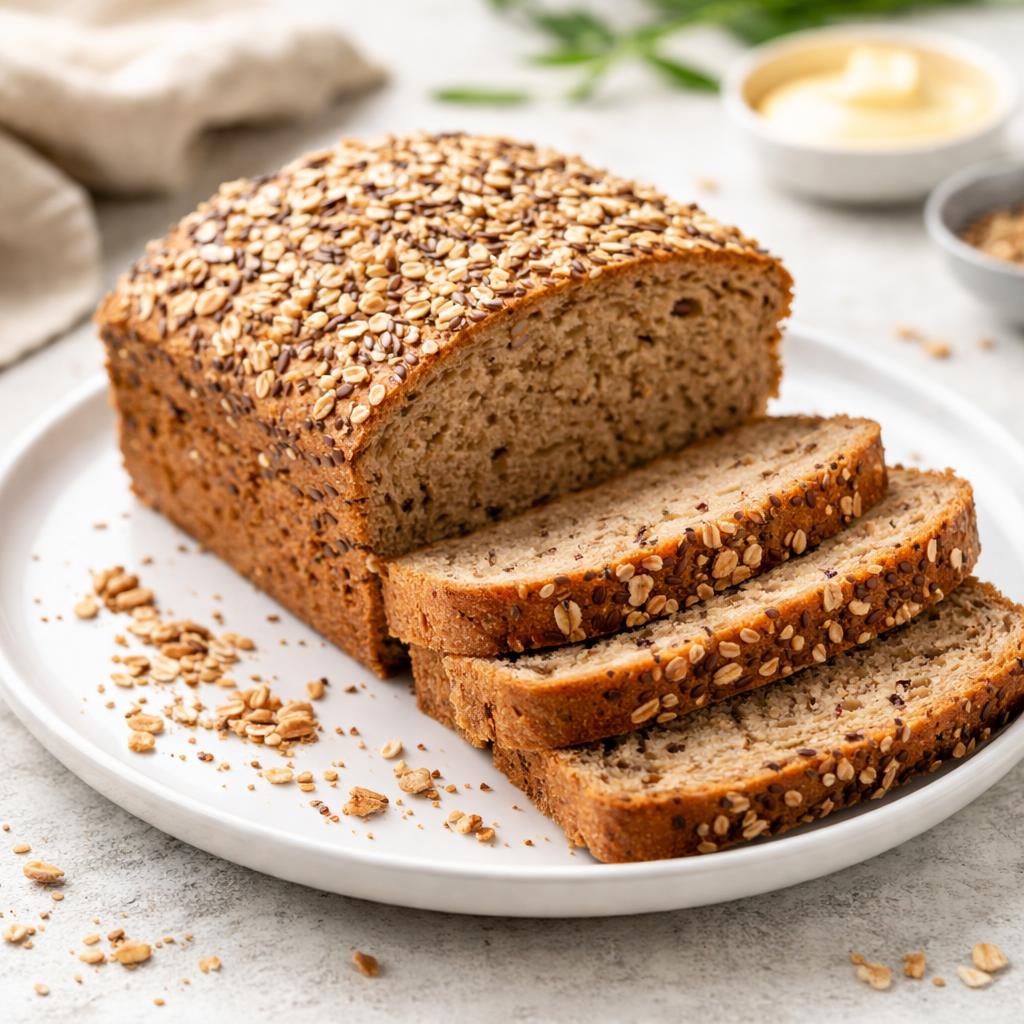
Whole Grain Bread
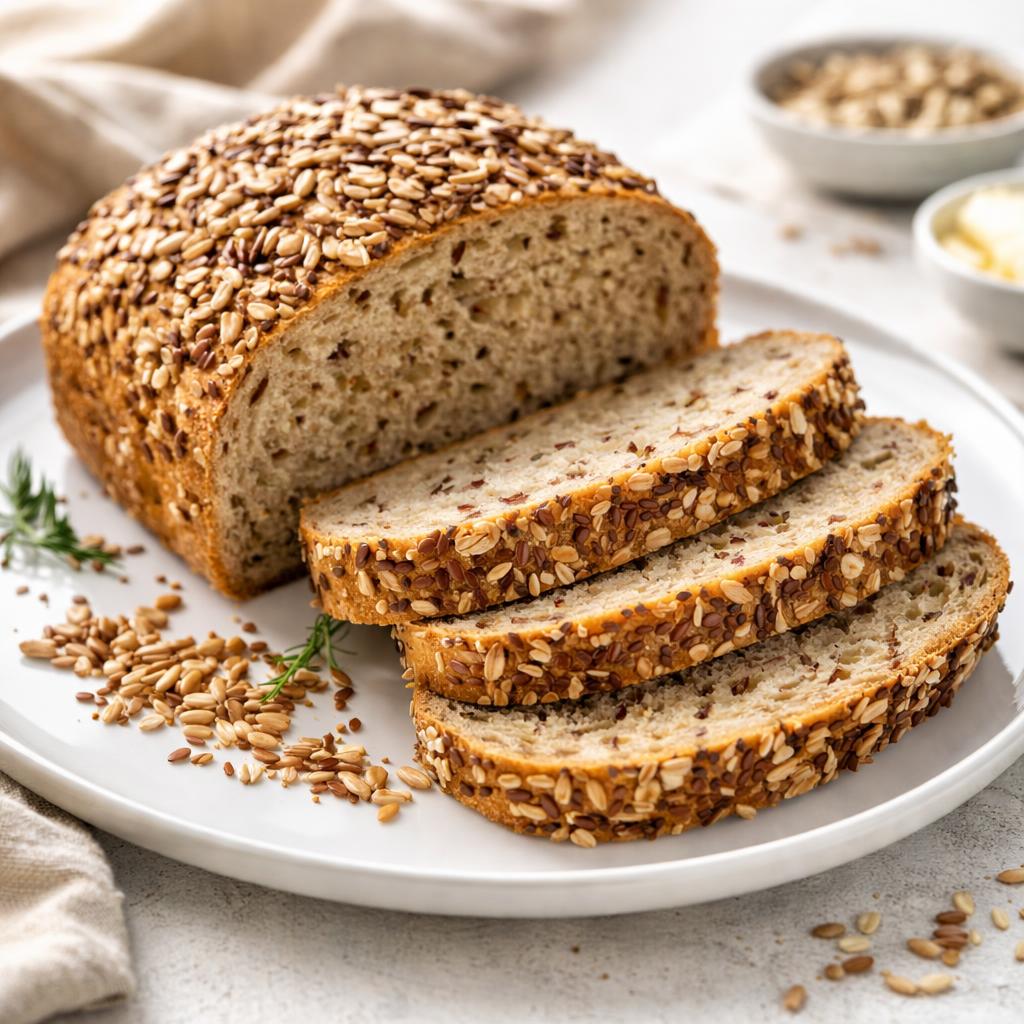
Seeded Bread
🎯 Quick Verdict
Seeded bread outshines whole grain bread in fiber content and nutrient density, making it a great choice for heart and digestive health. Whole grain bread, on the other hand, is lower in calories and works well for those focused on weight management. Both provide similar protein levels, making them suitable for balanced diets.

Smart Nutrition Tracking with SnapCalorie

📊 Nutritional Comparison
Macronutrients
| Nutrient | Food 1 | Food 2 | Winner |
|---|---|---|---|
| Calories | 90 per slice | 110 per slice | ✓ |
| Protein | 4g per slice | 4g per slice | − |
| Carbs | 18g per slice | 15g per slice | ✓ |
| Fat | 1g per slice | 3g per slice | ✓ |
| Fiber | 2g per slice | 4g per slice | ✓ |
Vitamins & Minerals
| Nutrient | Food 1 | Food 2 | Winner |
|---|---|---|---|
| Vitamin B6 | 0.1mg per slice | 0.2mg per slice | ✓ |
| Iron | 1mg per slice | 1.5mg per slice | ✓ |
| Magnesium | 20mg per slice | 30mg per slice | ✓ |
🏆 Category Winners
Protein
Both breads provide 4g of protein per slice.
Fiber
Seeded bread contains twice the fiber of whole grain bread.
Calories
Whole grain bread is lower in calories by approximately 18% per slice.
Vitamins
Seeded bread is richer in essential vitamins and minerals like magnesium and iron.
🥗 Diet Compatibility
Keto
Food 1: Not Compatible
Food 2: Not Compatible
Both are high in carbohydrates and unsuitable for keto diets.
Vegan
Food 1: Compatible
Food 2: Compatible
Both are plant-based and vegan-friendly.
Gluten Free
Food 1: Not Compatible
Food 2: Not Compatible
Both breads contain gluten from wheat-based ingredients.
Paleo
Food 1: Not Compatible
Food 2: Not Compatible
Grains in both breads are excluded from paleo diets.
Low-Carb
Food 1: Not Compatible
Food 2: Not Compatible
Each slice contains 15-18g of carbohydrates, exceeding low-carb limits.
💪 Health Benefits Comparison
Food 1 Benefits
- Low-calorie option suitable for weight management
- Provides whole grains for heart health
- Contains moderate fiber for digestion
Food 2 Benefits
- Rich in fiber for improved digestive health
- Contains healthy fats from seeds for heart health
- Higher mineral content (e.g., magnesium, iron) for energy and muscle function
✅ The Bottom Line
Choose whole grain bread for a lower calorie option that fits weight management and balanced diets. Opt for seeded bread if fiber, healthy fats, and richer nutrient profile are important to your goals, especially for heart and digestive health.
Choose Food 1 for: Weight loss, balanced diets, lighter meals
Choose Food 2 for: Heart health, high-energy meals, nutrient density


