Whole Grain Bread VS Multigrain Bread
A detailed nutritional comparison
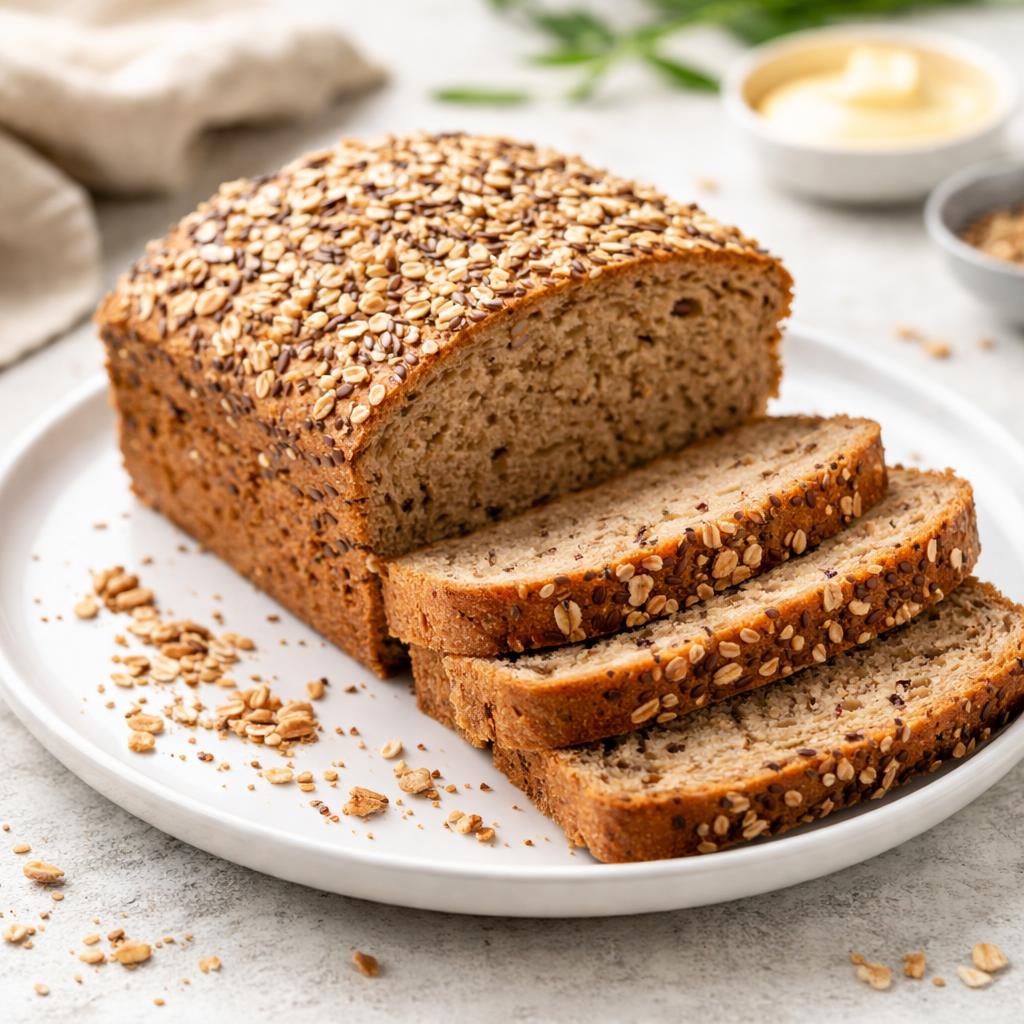
Whole Grain Bread
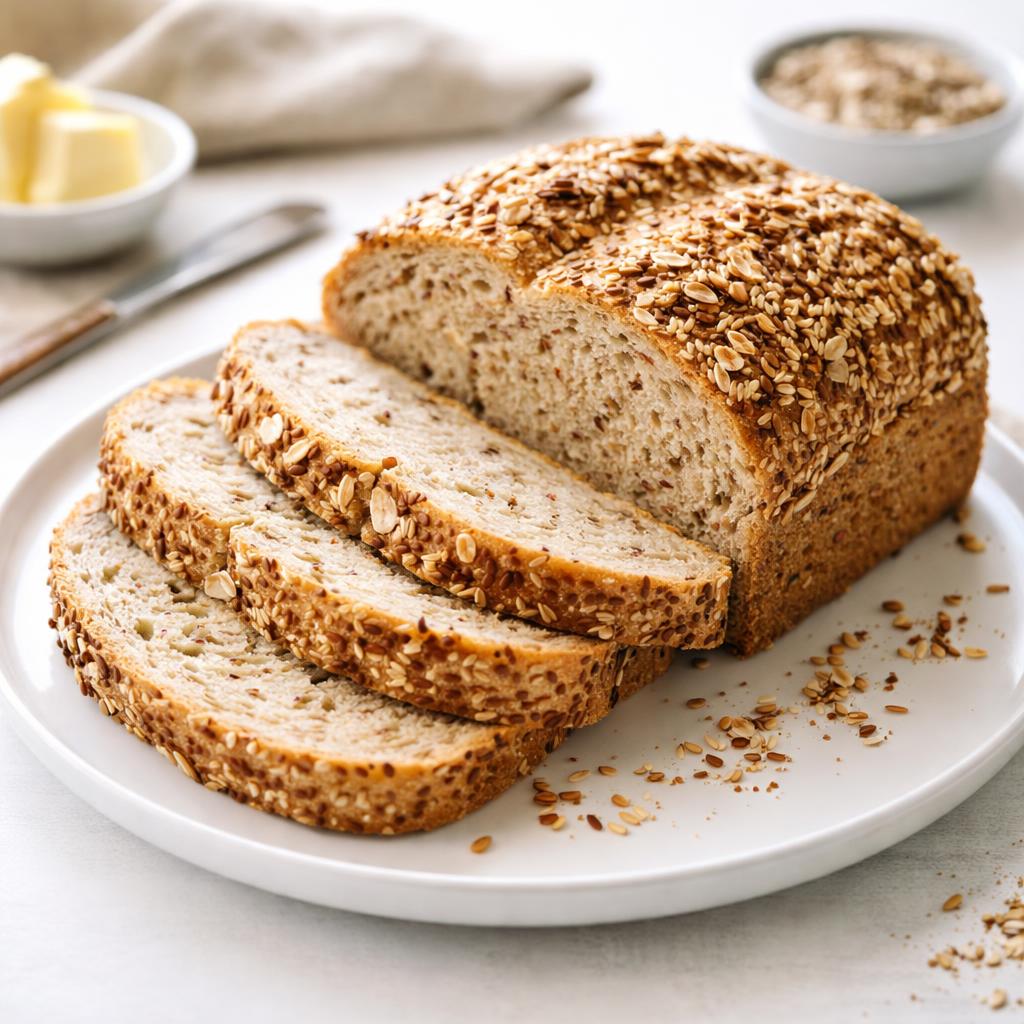
Multigrain Bread
🎯 Quick Verdict
Whole grain bread generally offers slightly fewer calories and higher overall fiber compared to multigrain bread, making it ideal for digestion and weight control. Multigrain bread may provide diverse nutrients based on its mix of grains but typically contains less fiber. Choose whole grain bread for consistent health benefits and multigrain for variety in nutrients.

Smart Nutrition Tracking with SnapCalorie

📊 Nutritional Comparison
Macronutrients
| Nutrient | Food 1 | Food 2 | Winner |
|---|---|---|---|
| Calories | 110 per slice | 120 per slice | ✓ |
| Protein | 4g | 4g | − |
| Carbs | 19g | 22g | ✓ |
| Fat | 1g | 2g | ✓ |
| Fiber | 3g | 2g | ✓ |
Vitamins & Minerals
| Nutrient | Food 1 | Food 2 | Winner |
|---|---|---|---|
| Vitamin B6 | 0.3mg | 0.2mg | ✓ |
| Folate | 30mcg | 25mcg | ✓ |
| Iron | 1mg | 0.8mg | ✓ |
| Magnesium | 25mg | 20mg | ✓ |
🏆 Category Winners
Protein
Both breads offer 4g of protein per slice.
Fiber
Whole grain bread provides 50% more fiber per slice.
Calories
Whole grain bread contains 8% fewer calories per slice.
Vitamins
Whole grain bread has slightly higher levels of B6, folate, and iron.
🥗 Diet Compatibility
Keto
Food 1: Not Compatible
Food 2: Not Compatible
Both breads are high in carbs.
Vegan
Food 1: Compatible
Food 2: Compatible
Neither contains animal-based ingredients.
Gluten Free
Food 1: Not Compatible
Food 2: Not Compatible
Both contain gluten.
Paleo
Food 1: Not Compatible
Food 2: Not Compatible
Breads are not paleo-friendly.
Low-Carb
Food 1: Not Compatible
Food 2: Not Compatible
Carbohydrates are a primary component of both breads.
💪 Health Benefits Comparison
Food 1 Benefits
- High in fiber for improved digestive health
- Provides steady energy due to complex carbohydrates
- Good source of essential B vitamins like folate
- Contains more magnesium and iron for metabolic support
Food 2 Benefits
- Contains diverse grain nutrients depending on the grain variety
- May include seeds with healthy fats for heart health
- Rich source of complex carbs for sustained energy
- Provides a variety of minerals for overall wellness
✅ The Bottom Line
Choose whole grain bread if you prioritize fiber and overall nutritional consistency, making it ideal for weight control and digestion. Opt for multigrain bread when seeking variety in nutrients and a slightly richer taste profile due to mixed grains. Both are great for everyday meals, but whole grain bread edges ahead nutritionally.
Choose Food 1 for: Weight management, digestive health, high-fiber diets
Choose Food 2 for: Boosting flavor variety, sustained energy, nutrient diversity


