Whole Grain Bread VS French Bread
A detailed nutritional comparison
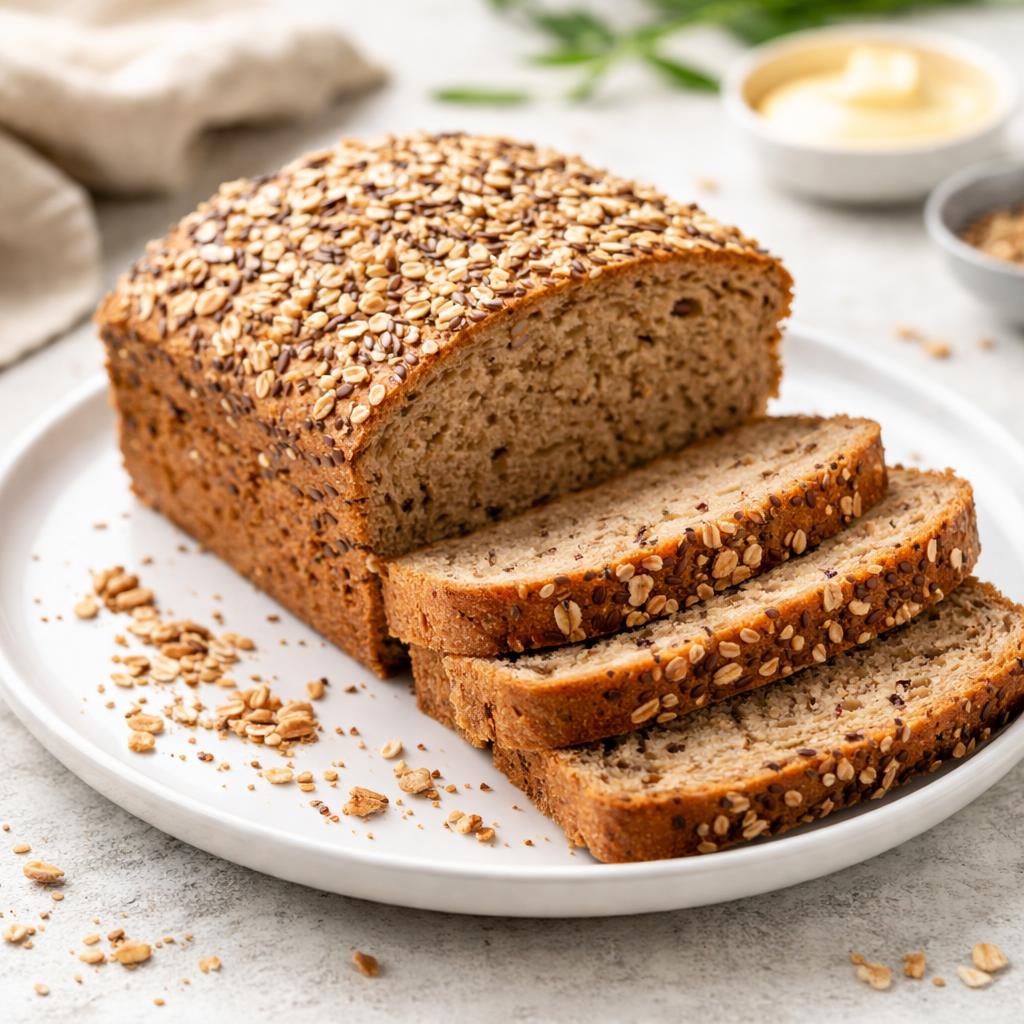
Whole Grain Bread

French Bread
🎯 Quick Verdict
Whole grain bread offers significantly more fiber, protein, and micronutrients compared to French bread, making it a healthier choice overall. French bread is lower in fiber and offers fewer vitamins, but its softer texture and simple flavor may fit better with diets focused less on fiber and nutrients.

Smart Nutrition Tracking with SnapCalorie

📊 Nutritional Comparison
Macronutrients
| Nutrient | Food 1 | Food 2 | Winner |
|---|---|---|---|
| Calories | 220 | 220 | − |
| Protein | 8g | 6g | ✓ |
| Carbs | 43g | 45g | ✓ |
| Fat | 3g | 1g | ✓ |
| Fiber | 5g | 1g | ✓ |
Vitamins & Minerals
| Nutrient | Food 1 | Food 2 | Winner |
|---|---|---|---|
| Vitamin B6 | 0.12mg | 0.04mg | ✓ |
| Iron | 2mg | 1.4mg | ✓ |
| Magnesium | 40mg | 10mg | ✓ |
| Niacin (B3) | 4mg | 2mg | ✓ |
🏆 Category Winners
Protein
Whole grain bread has 33% more protein per serving.
Fiber
Whole grain bread contains 5 times more fiber than French bread.
Calories
Both breads provide the same number of calories per serving.
🥗 Diet Compatibility
Keto
Food 1: Not Compatible
Food 2: Not Compatible
Both are high in carbs and unsuitable for keto diets.
Vegan
Food 1: Compatible
Food 2: Compatible
Neither bread contains animal products.
Gluten Free
Food 1: Not Compatible
Food 2: Not Compatible
Both breads contain gluten.
Paleo
Food 1: Not Compatible
Food 2: Not Compatible
Breads are excluded from paleo diets due to grains.
Low-Carb
Food 1: Not Compatible
Food 2: Not Compatible
Both are high-carb foods, inappropriate for low-carb diets.
💪 Health Benefits Comparison
Food 1 Benefits
- High fiber content supports digestive health and prevents constipation.
- Contains more protein, aiding muscle repair and maintenance.
- Rich in key minerals (iron, magnesium) for overall health.
Food 2 Benefits
- Soft texture and low-fat content makes it easy to digest.
- Contains simple carbohydrates for quick energy replenishment.
- Lower nutrient density may be better for less fiber-intensive diets.
✅ The Bottom Line
Whole grain bread is the better option for those seeking sustained energy, higher nutrients, and improved digestion due to its higher fiber and protein content. French bread is more suited for quick energy or lighter meals where nutrient density is not a priority.
Choose Food 1 for: Healthy eating, weight management, high-fiber diets
Choose Food 2 for: Quick energy, softer texture meals, pairing with rich spreads


