White Rice VS Yam
A detailed nutritional comparison
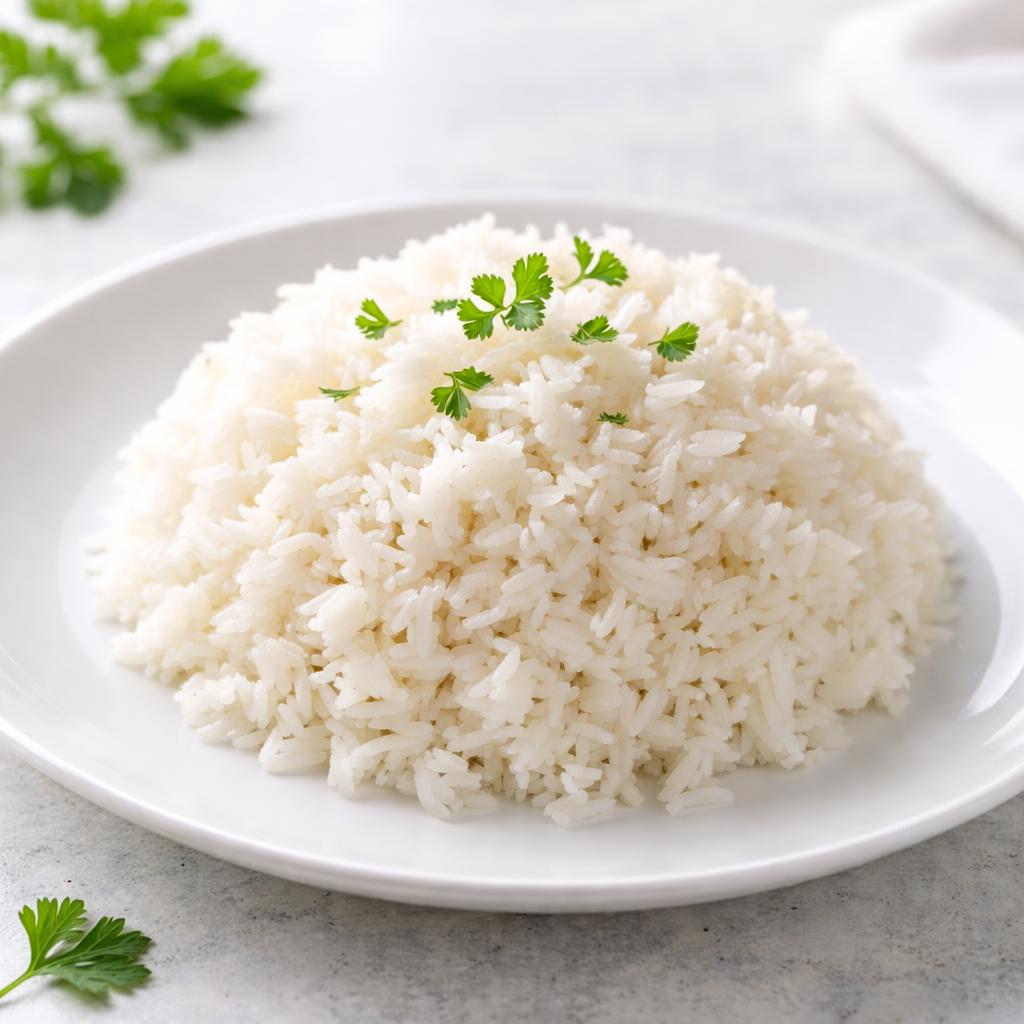
White Rice
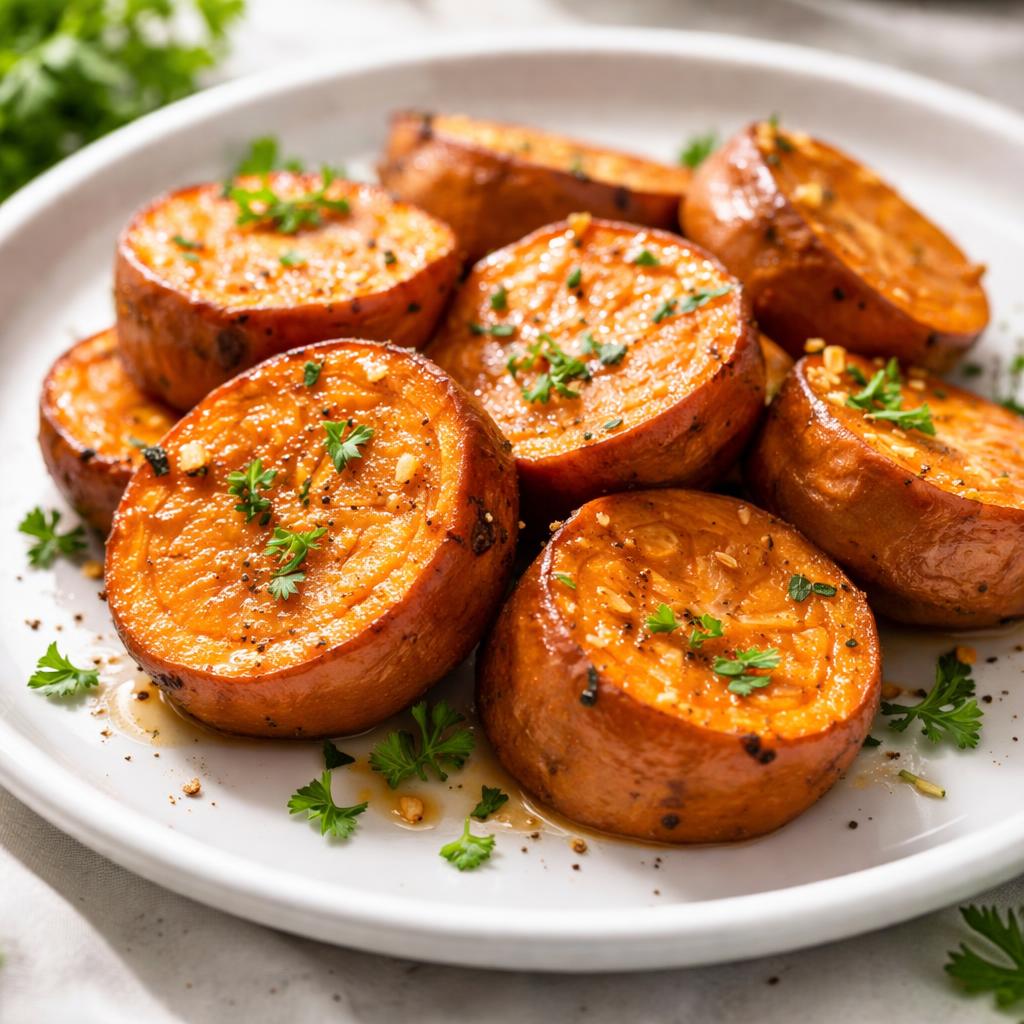
Yam
🎯 Quick Verdict
Yam is nutritionally superior to white rice due to its higher fiber content, lower calorie density, and a more abundant array of vitamins and minerals. White rice is lower in calories per gram when compared dry but provides less micronutrient value. Yam is best for those seeking a nutrient-dense carbohydrate option, while white rice works well for quick energy and digestion-sensitive diets.

Smart Nutrition Tracking with SnapCalorie

📊 Nutritional Comparison
Macronutrients
| Nutrient | Food 1 | Food 2 | Winner |
|---|---|---|---|
| Calories | 130 (cooked, 1 cup) | 118 (cooked, 1 cup) | ✓ |
| Protein | 2.7g (cooked) | 2g (cooked) | − |
| Carbs | 28.2g | 27.5g | ✓ |
| Fat | 0.3g | 0.1g | ✓ |
| Fiber | 0.4g | 4g | ✓ |
Vitamins & Minerals
| Nutrient | Food 1 | Food 2 | Winner |
|---|---|---|---|
| Vitamin C | 0mg | 12.1mg | ✓ |
| Potassium | 35mg | 456mg | ✓ |
| Vitamin B6 | 0.05mg | 0.12mg | ✓ |
| Iron | 1.09mg | 0.5mg | ✓ |
| Magnesium | 12mg | 17mg | ✓ |
🏆 Category Winners
Protein
Both foods provide similar protein amounts per cup (cooked).
Fiber
Yam offers 10x more fiber per serving than white rice.
Calories
Yam is slightly lower in calories per cooked cup (118 vs 130).
Vitamins
Yam is richer in vitamins C, B6, potassium, and magnesium, making it more nutrient-dense overall.
🥗 Diet Compatibility
Keto
Food 1: Not Compatible
Food 2: Not Compatible
Both foods are high-carb and unsuitable for ketogenic diets.
Vegan
Food 1: Compatible
Food 2: Compatible
Both are plant-based and suitable for vegans.
Gluten Free
Food 1: Compatible
Food 2: Compatible
Neither food contains gluten.
Paleo
Food 1: Compatible
Food 2: Compatible
Both are whole foods and align with paleo guidelines.
Low-Carb
Food 1: Not Compatible
Food 2: Not Compatible
Both are high-carb options and do not fit low-carb diets.
💪 Health Benefits Comparison
Food 1 Benefits
- Easy to digest, suitable for sensitive stomachs
- Quickly replenishes glycogen for energy
- Low in fat and simple to prepare
Food 2 Benefits
- High fiber content supports healthy digestion
- Rich in antioxidants like Vitamin C for immune health
- Provides potassium for blood pressure management
- Contains complex carbohydrates for sustained energy
✅ The Bottom Line
Choose yam if you seek a nutrient-dense carbohydrate source rich in vitamins, fiber, and antioxidants—ideal for overall health and digestion. White rice is better for quick energy refueling, gentle digestion, and when you need a versatile base for meals.
Choose Food 1 for: Energy reload, low-fiber tolerance, simple recipes
Choose Food 2 for: Weight management, high fiber needs, nutrient-dense meals


