White Rice VS Winter Melon
A detailed nutritional comparison
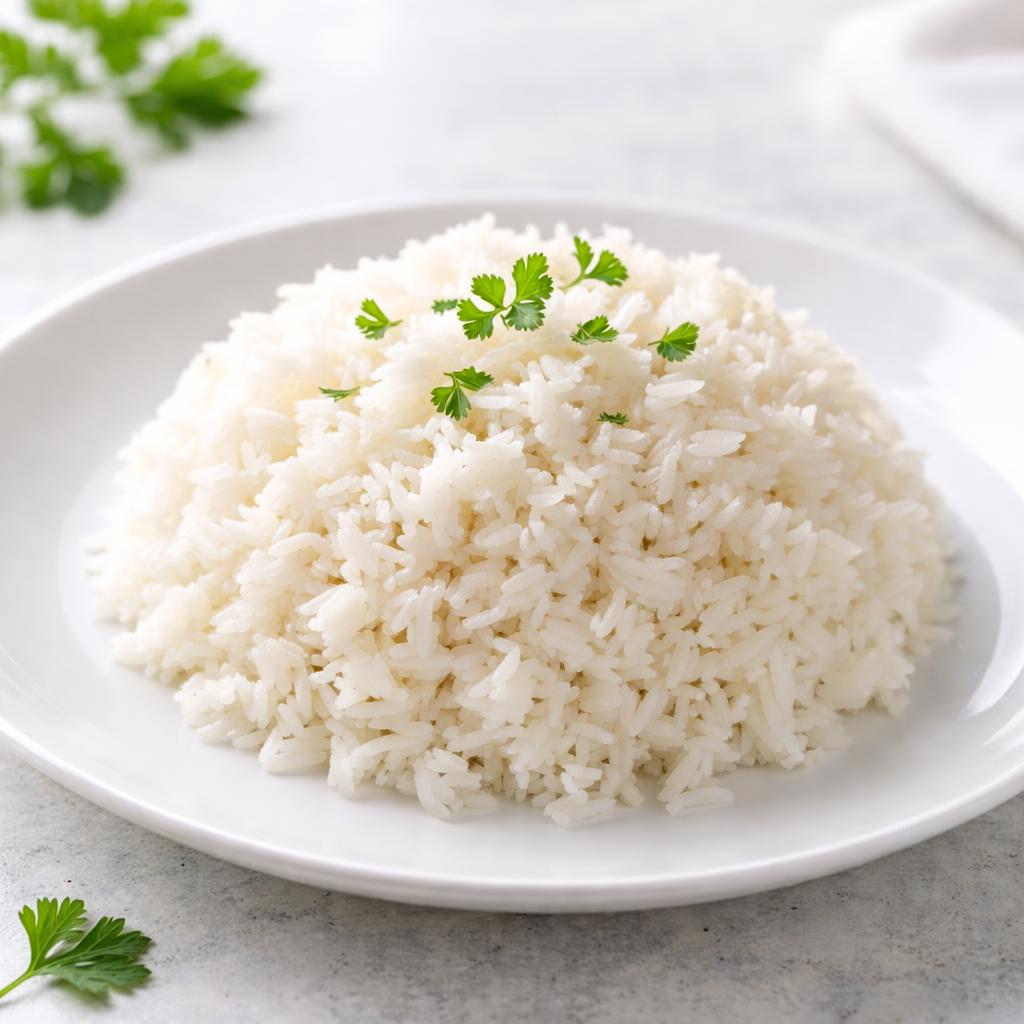
White Rice
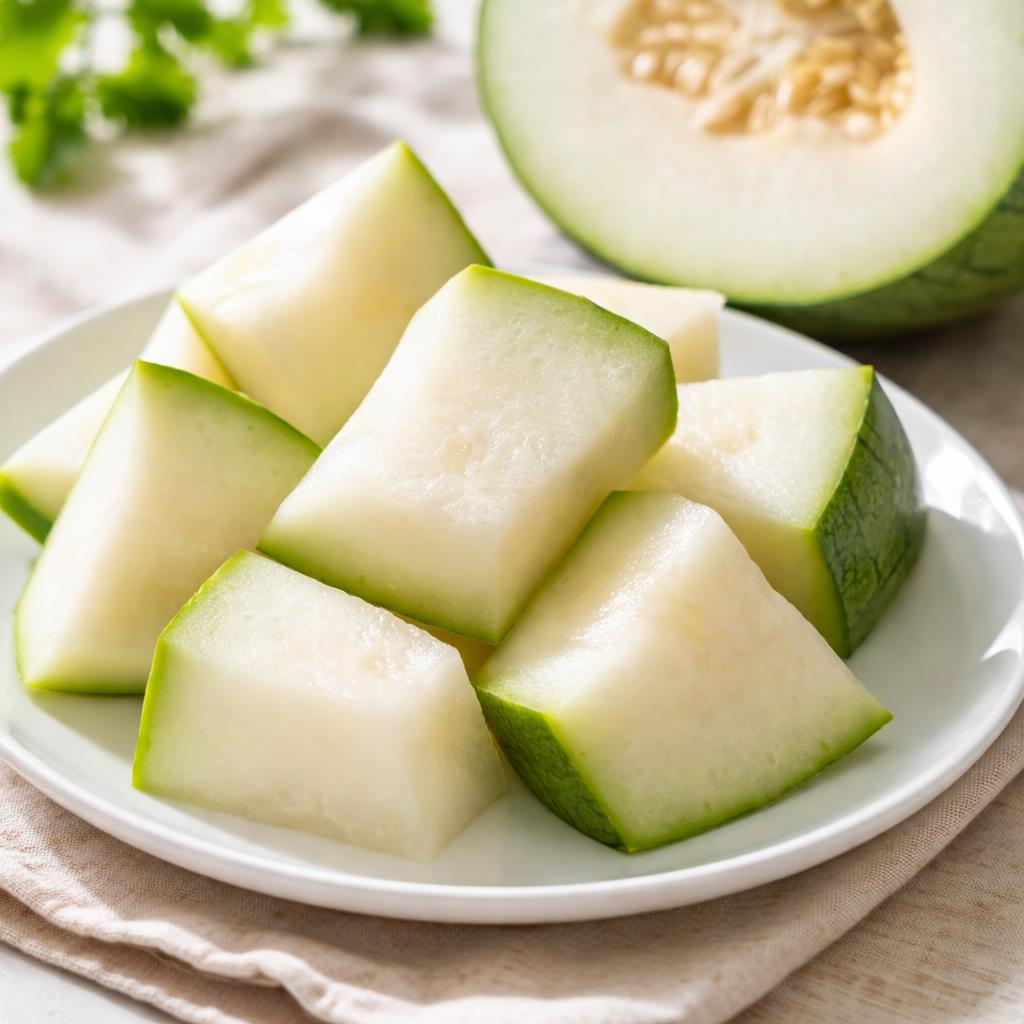
Winter Melon
🎯 Quick Verdict
White rice is a high-calorie, carbohydrate-rich option primarily used for energy, while winter melon is a low-calorie, nutrient-dense vegetable with high fiber content and essential vitamins. Winter melon supports digestion and weight management better, while white rice is ideal for quick energy needs due to its starch content.

Smart Nutrition Tracking with SnapCalorie

📊 Nutritional Comparison
Macronutrients
| Nutrient | Food 1 | Food 2 | Winner |
|---|---|---|---|
| Calories | 130 | 30 | ✓ |
| Protein | 2.7g | 0.6g | − |
| Carbs | 28g | 7g | ✓ |
| Fat | 0.3g | 0.2g | ✓ |
| Fiber | 0.7g | 1.5g | ✓ |
Vitamins & Minerals
| Nutrient | Food 1 | Food 2 | Winner |
|---|---|---|---|
| Vitamin C | 0mg | 11mg | ✓ |
| Vitamin A | 0IU | 55IU | ✓ |
| Potassium | 35mg | 160mg | ✓ |
🏆 Category Winners
Protein
Both foods provide negligible protein amounts.
Fiber
Winter melon contains over twice as much fiber as white rice per serving.
Calories
Winter melon has significantly lower calorie density.
🥗 Diet Compatibility
Keto
Food 1: Not Compatible
Food 2: Compatible
Winter melon is much lower in carbs than white rice.
Vegan
Food 1: Compatible
Food 2: Compatible
Both foods are plant-based.
Gluten Free
Food 1: Compatible
Food 2: Compatible
Neither contains gluten.
Paleo
Food 1: Not Compatible
Food 2: Compatible
Winter melon aligns better with whole-food-based paleo principles.
Low-Carb
Food 1: Not Compatible
Food 2: Compatible
Winter melon has less than 7g of carbs per serving, while white rice contains 28g.
💪 Health Benefits Comparison
Food 1 Benefits
- Fast source of energy due to high carbohydrate content
- Easy to cook and versatile for many recipes
- Low fat for heart health
Food 2 Benefits
- High in fiber for improved digestion
- Rich in Vitamin C for immune system support
- Low-calorie density aids weight management
- Contains potassium for electrolyte balance
✅ The Bottom Line
Winter melon is better suited for weight management, digestion, and low-carb diets, while white rice serves as a quick, energy-rich option for high-activity individuals or meals requiring a source of starchy carbohydrates. Opt for white rice if energy is a priority; choose winter melon for nutrient density and reduced calorie intake.
Choose Food 1 for: Quick energy, post-workout replenishment, high-carb meals
Choose Food 2 for: Weight management, low-carb diets, digestion and hydration support


