White Rice VS Wheat Beer
A detailed nutritional comparison
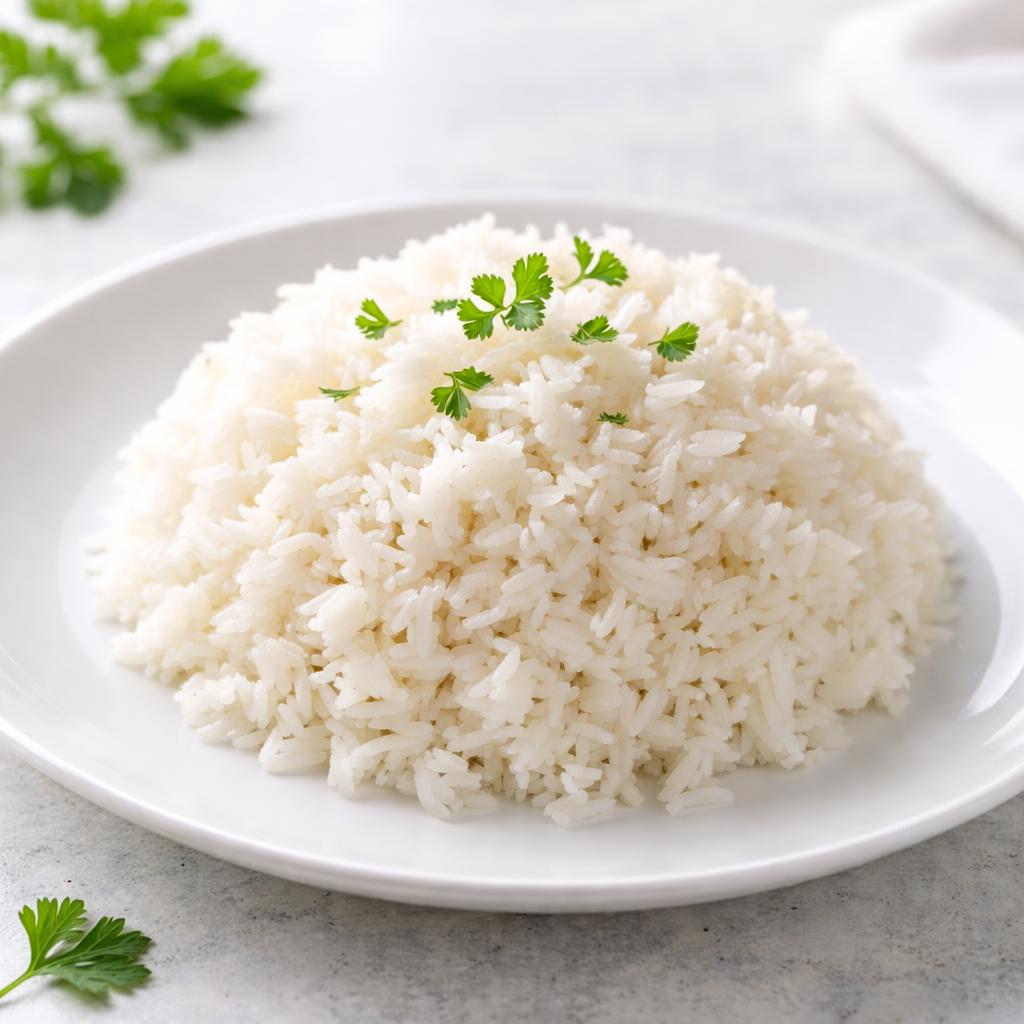
White Rice
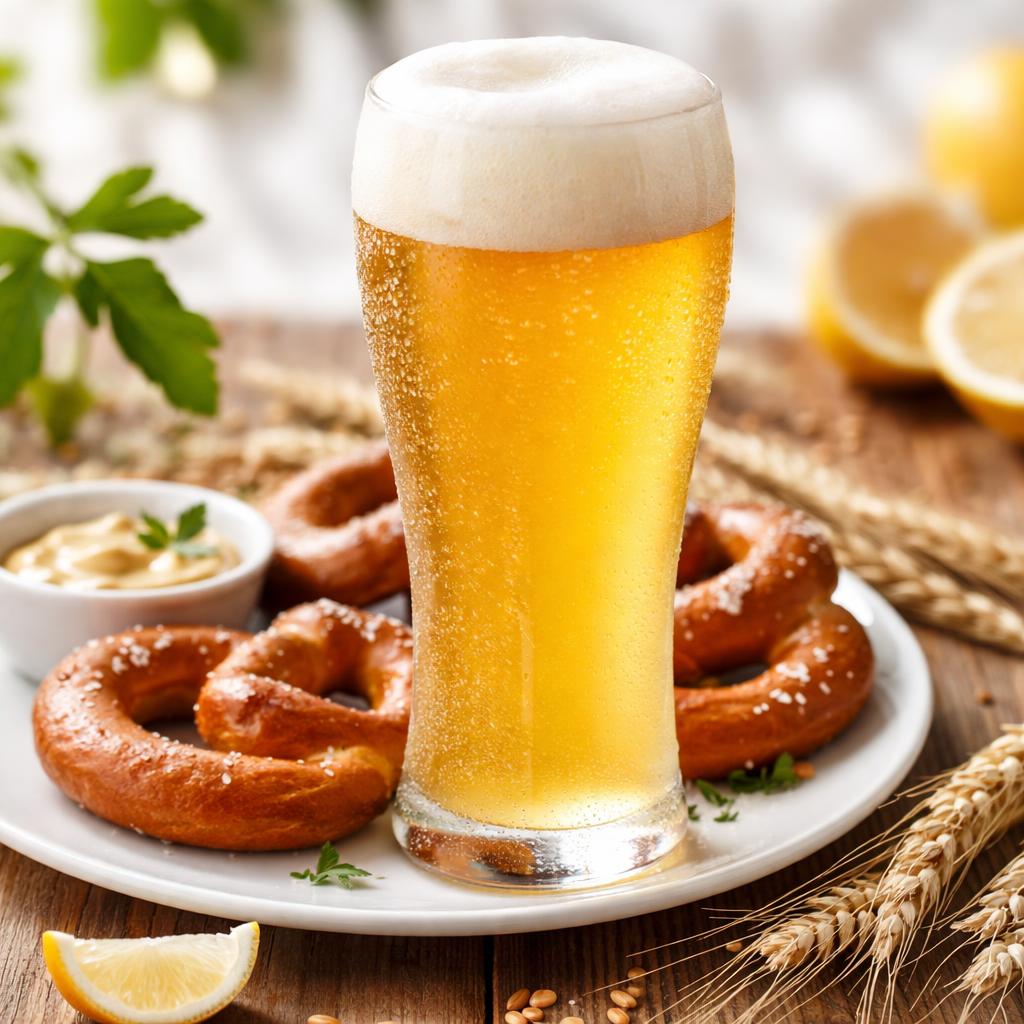
Wheat Beer
🎯 Quick Verdict
White rice is lower in calories and fat compared to wheat beer, making it a better option for weight management and energy needs. Wheat beer offers modest protein content and contains antioxidants, making it a unique recreational beverage with some nutritional perks. White rice is a staple carbohydrate, while wheat beer is best enjoyed in moderation as part of social and leisure activities.

Smart Nutrition Tracking with SnapCalorie

📊 Nutritional Comparison
Macronutrients
| Nutrient | Food 1 | Food 2 | Winner |
|---|---|---|---|
| Calories | 130 per 100g | 150 per 12 oz | ✓ |
| Protein | 2.7g per 100g | 1.6g per 12 oz | ✓ |
| Carbs | 28g per 100g | 13g per 12 oz | ✓ |
| Fat | 0.3g per 100g | 0g per 12 oz | ✓ |
| Fiber | 0g per 100g | 0g per 12 oz | − |
Vitamins & Minerals
| Nutrient | Food 1 | Food 2 | Winner |
|---|---|---|---|
| Vitamin D | 0mcg | 0mcg | − |
| Calcium | 10mg | 14mg | ✓ |
| Iron | 0.1mg | 0.5mg | ✓ |
🏆 Category Winners
Protein
White rice contains 69% more protein per serving than wheat beer.
Fiber
Neither food contains significant amounts of fiber.
Calories
White rice has slightly fewer calories per serving than wheat beer.
Vitamins
Wheat beer edges out with slightly more calcium and iron.
🥗 Diet Compatibility
Keto
Food 1: Not Compatible
Food 2: Not Compatible
Both foods are high in carbs.
Vegan
Food 1: Compatible
Food 2: Compatible
Neither contains animal products.
Gluten Free
Food 1: Compatible
Food 2: Not Compatible
White rice is naturally gluten-free, but wheat beer contains gluten.
Paleo
Food 1: Not Compatible
Food 2: Not Compatible
Both foods fall outside typical paleo guidelines.
Low Carb
Food 1: Not Compatible
Food 2: Not Compatible
Both are moderately high in carbohydrates per serving.
💪 Health Benefits Comparison
Food 1 Benefits
- Provides quick energy from carbohydrates
- Low in fat and cholesterol
- Gluten-free and hypoallergenic
Food 2 Benefits
- Contains antioxidants from wheat and hops
- Provides small amounts of minerals like calcium and iron
- Low in fat compared to other alcoholic beverages
✅ The Bottom Line
White rice is a practical choice for fueling workouts, managing calorie intake, or as part of balanced meals. Wheat beer offers modest nutrients but should be consumed in moderation due to its alcohol content. Choose white rice for weight control or gluten-free diets, and wheat beer for occasional enjoyment or social settings.
Choose Food 1 for: Energy needs, gluten-free diets, low-fat meals
Choose Food 2 for: Relaxation, social occasions, minor mineral intake


