White Rice VS Water
A detailed nutritional comparison
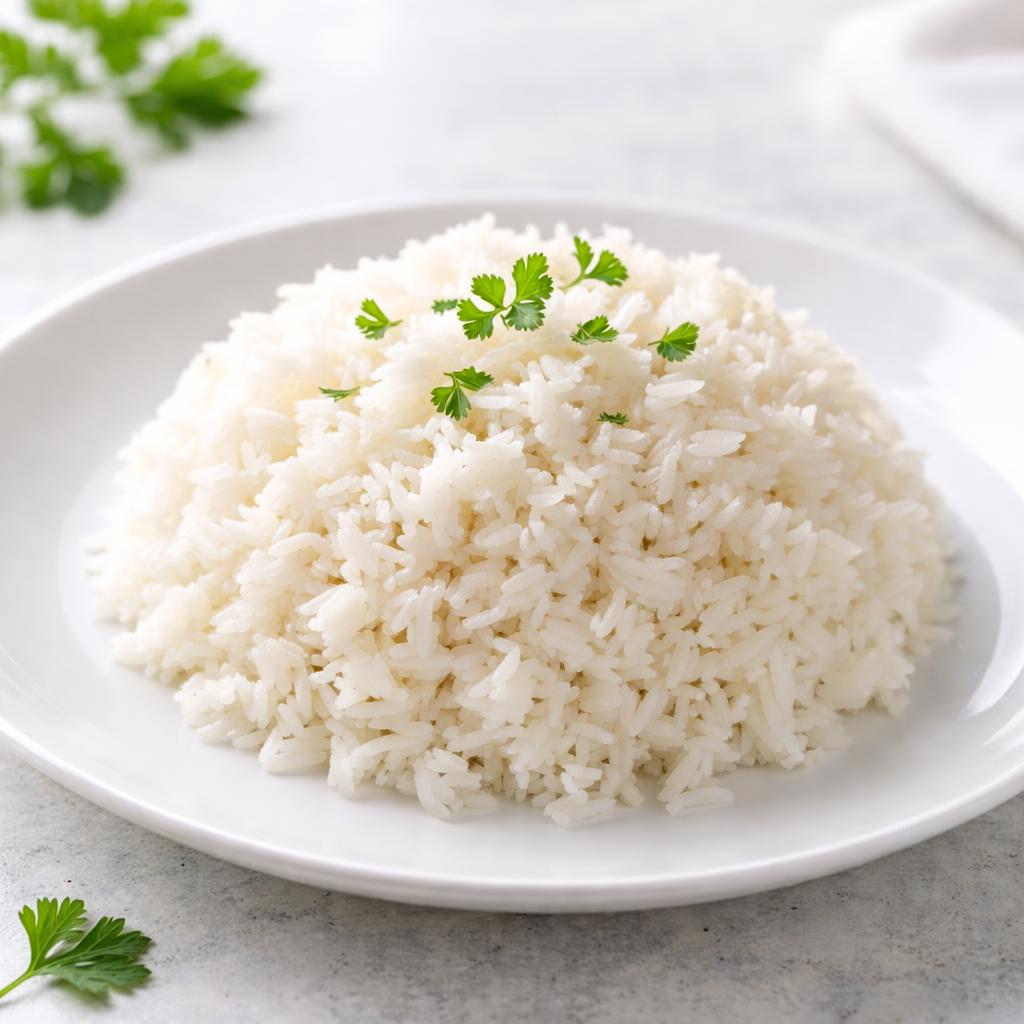
White Rice
Water
🎯 Quick Verdict
White rice, a staple grain, provides energy through carbohydrates but is relatively low in protein and fiber, while water is calorie-free and essential for hydration but does not contain macronutrients. White rice is suitable for quick energy, whereas water supports general health without contributing calories or nutrients.

Smart Nutrition Tracking with SnapCalorie

📊 Nutritional Comparison
Macronutrients
| Nutrient | Food 1 | Food 2 | Winner |
|---|---|---|---|
| Calories | 130 per 100g cooked | 0 | ✓ |
| Protein | 2.7g | 0g | ✓ |
| Carbs | 28.2g | 0g | ✓ |
| Fat | 0.3g | 0g | ✓ |
| Fiber | 0.4g | 0g | ✓ |
Vitamins & Minerals
| Nutrient | Food 1 | Food 2 | Winner |
|---|---|---|---|
| Vitamin D | 0mcg | 0mcg | − |
| Calcium | 10mg | 0mg | ✓ |
| Iron | 0.2mg | 0mg | ✓ |
🏆 Category Winners
Protein
White rice provides moderate protein compared to water, which has none.
Fiber
White rice contains a small amount of fiber while water does not.
Calories
Water is calorie-free, making it significantly lower in calories than white rice.
Vitamins
White rice contains trace amounts of calcium and iron, unlike water.
🥗 Diet Compatibility
Keto
Food 1: Not Compatible
Food 2: Compatible
White rice is high in carbohydrates, while water contains no carbs.
Vegan
Food 1: Compatible
Food 2: Compatible
Neither food contains animal-derived ingredients.
Gluten Free
Food 1: Compatible
Food 2: Compatible
White rice is naturally gluten-free, as is water.
Paleo
Food 1: Compatible
Food 2: Compatible
Both foods are suitable for paleo diets due to their natural and unprocessed states.
Low Carb
Food 1: Not Compatible
Food 2: Compatible
White rice is high-carb, whereas water contains no carbohydrates.
💪 Health Benefits Comparison
Food 1 Benefits
- Provides quick-release energy through carbohydrates.
- Naturally gluten-free, suitable for individuals with gluten intolerance.
- Low fat content supports lighter meals.
Food 2 Benefits
- Essential for hydration and maintaining bodily functions.
- Supports kidney health by flushing out toxins.
- Calorie-free, aiding weight management and overall health.
✅ The Bottom Line
White rice is best for energy replenishment, particularly during high-carb meals or in diets requiring quick energy sources like athletes or those recovering from illness. Water is essential for hydration, making it universally needed but without providing calories or nutrients. Both serve different but vital purposes in diet plans.
Choose Food 1 for: High-energy needs, post-workout recovery, gluten-free meals
Choose Food 2 for: Hydration, weight management, detoxification


