White Rice VS Wafer
A detailed nutritional comparison
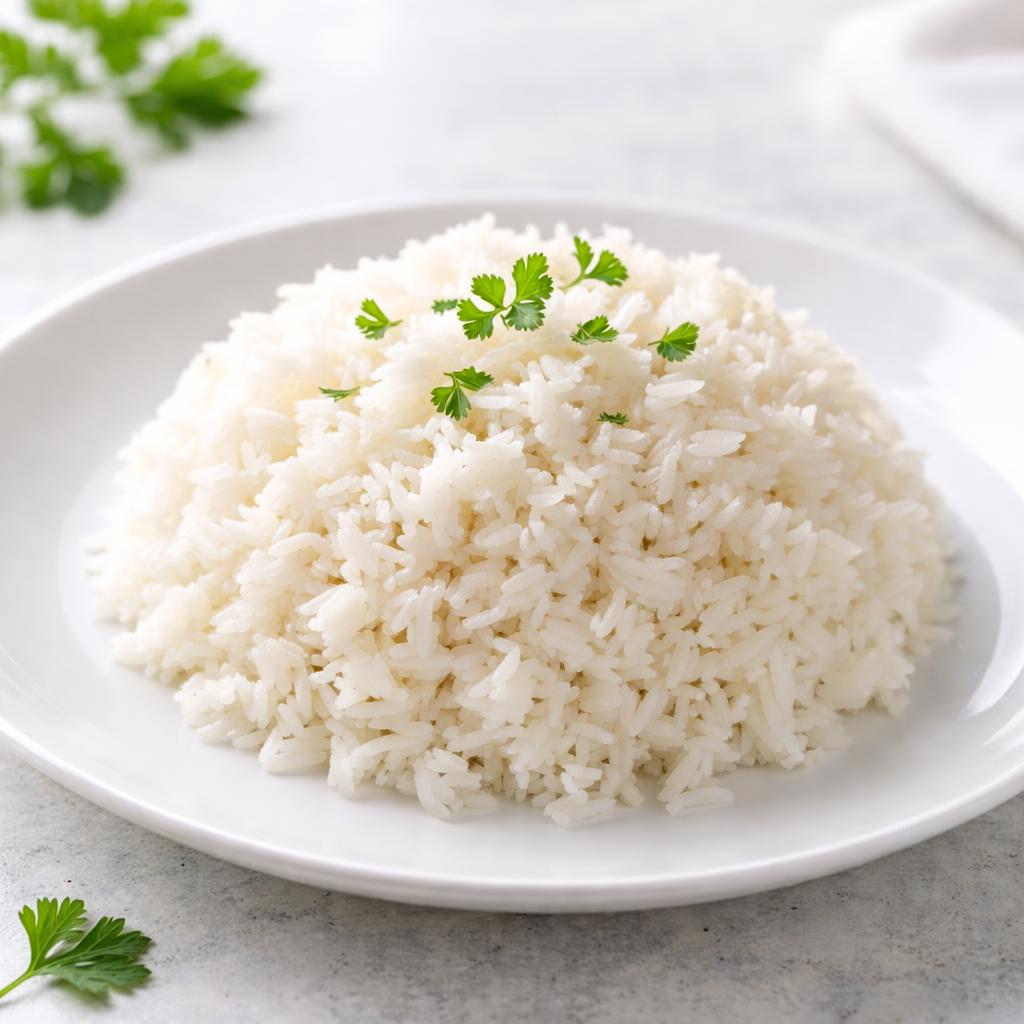
White Rice
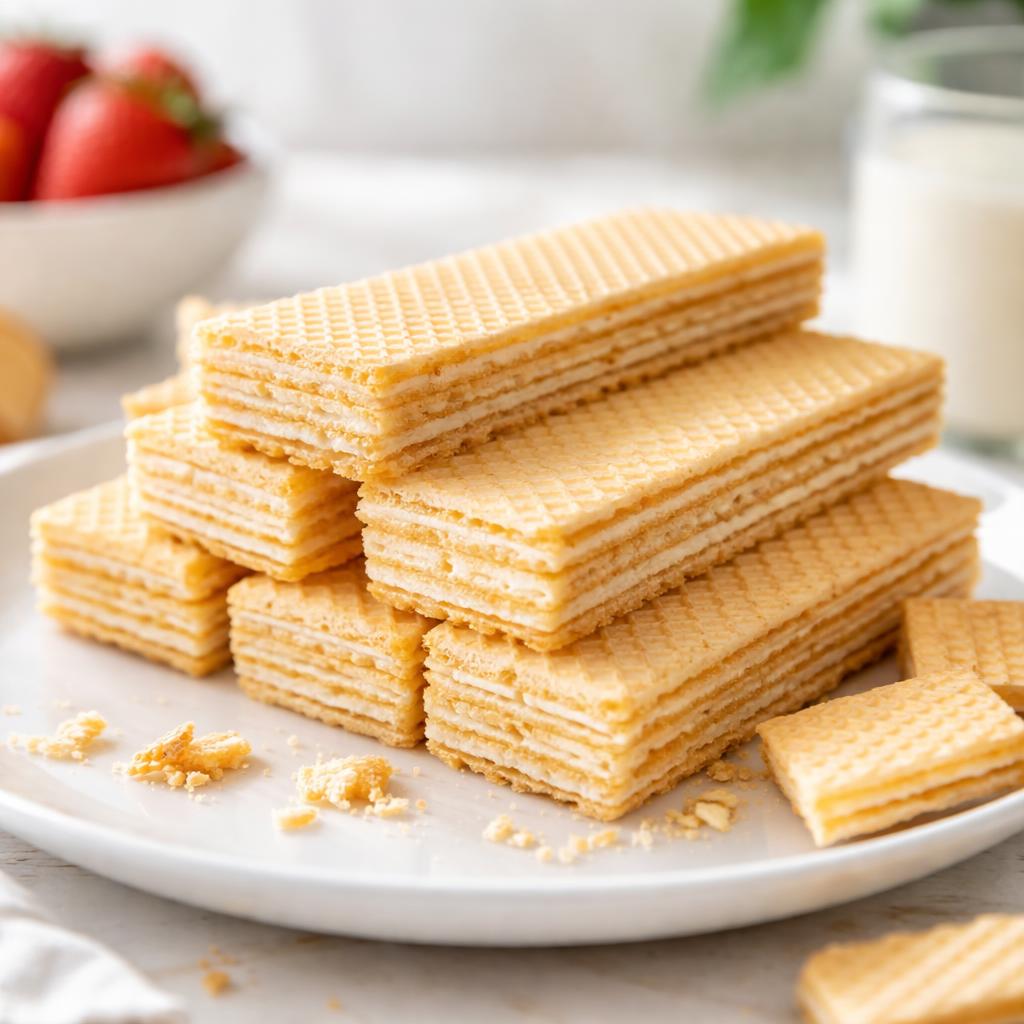
Wafer
🎯 Quick Verdict
White rice and wafers differ significantly in nutritional profiles. White rice provides lower calories, more protein, and fiber, making it a better choice for balanced meals. Wafers, while higher in fats and sugar, are more of a treat or snack and lack notable micronutrients. Rice is versatile for meals, while wafers are suited for indulgence or occasional snacks.

Smart Nutrition Tracking with SnapCalorie

📊 Nutritional Comparison
Macronutrients
| Nutrient | Food 1 | Food 2 | Winner |
|---|---|---|---|
| Calories | 130 | 180 | ✓ |
| Protein | 2.7g | 1.5g | ✓ |
| Carbs | 28g | 23g | ✓ |
| Fat | 0.3g | 9g | ✓ |
| Fiber | 0.4g | 0.2g | ✓ |
Vitamins & Minerals
| Nutrient | Food 1 | Food 2 | Winner |
|---|---|---|---|
| Vitamin D | 0mcg | 0mcg | − |
| Calcium | 10mg | 15mg | ✓ |
| Iron | 0.2mg | 0.5mg | ✓ |
🏆 Category Winners
Protein
White rice contains 80% more protein per serving.
Fiber
White rice contains twice as much fiber as wafers.
Calories
White rice has 28% fewer calories per serving.
🥗 Diet Compatibility
Keto
Food 1: Not Compatible
Food 2: Not Compatible
Both are carb-heavy and unsuitable for keto.
Vegan
Food 1: Compatible
Food 2: Compatible
Both foods are plant-based and free of animal products.
Gluten Free
Food 1: Compatible
Food 2: Not Compatible
White rice is naturally gluten-free, but wafers typically contain refined wheat.
Paleo
Food 1: Not Compatible
Food 2: Not Compatible
Neither aligns with the paleo diet due to processing and carbohydrates.
Low-Carb
Food 1: Not Compatible
Food 2: Not Compatible
Both foods are high in carbohydrates.
💪 Health Benefits Comparison
Food 1 Benefits
- Provides sustained energy due to complex carbs
- Minimal fat content, suitable for low-fat diets
- Quickly digestible and easy on the stomach
Food 2 Benefits
- Offers quick energy boost from sugars
- Contains small amounts of calcium and iron
- Convenient snack option for on-the-go consumption
✅ The Bottom Line
White rice is a better option for balanced meals, providing fewer calories, more protein, and fiber with minimal fat. Wafers are higher in fats and sugar, designed as a treat rather than for nutrition. Choose rice for sustained energy and wafers for occasional indulgence.
Choose Food 1 for: Balanced meals, low-fat diets, post-workout to replenish carbs
Choose Food 2 for: Occasional snacks, quick energy, sweet cravings


