White Rice VS Uncooked Rice
A detailed nutritional comparison
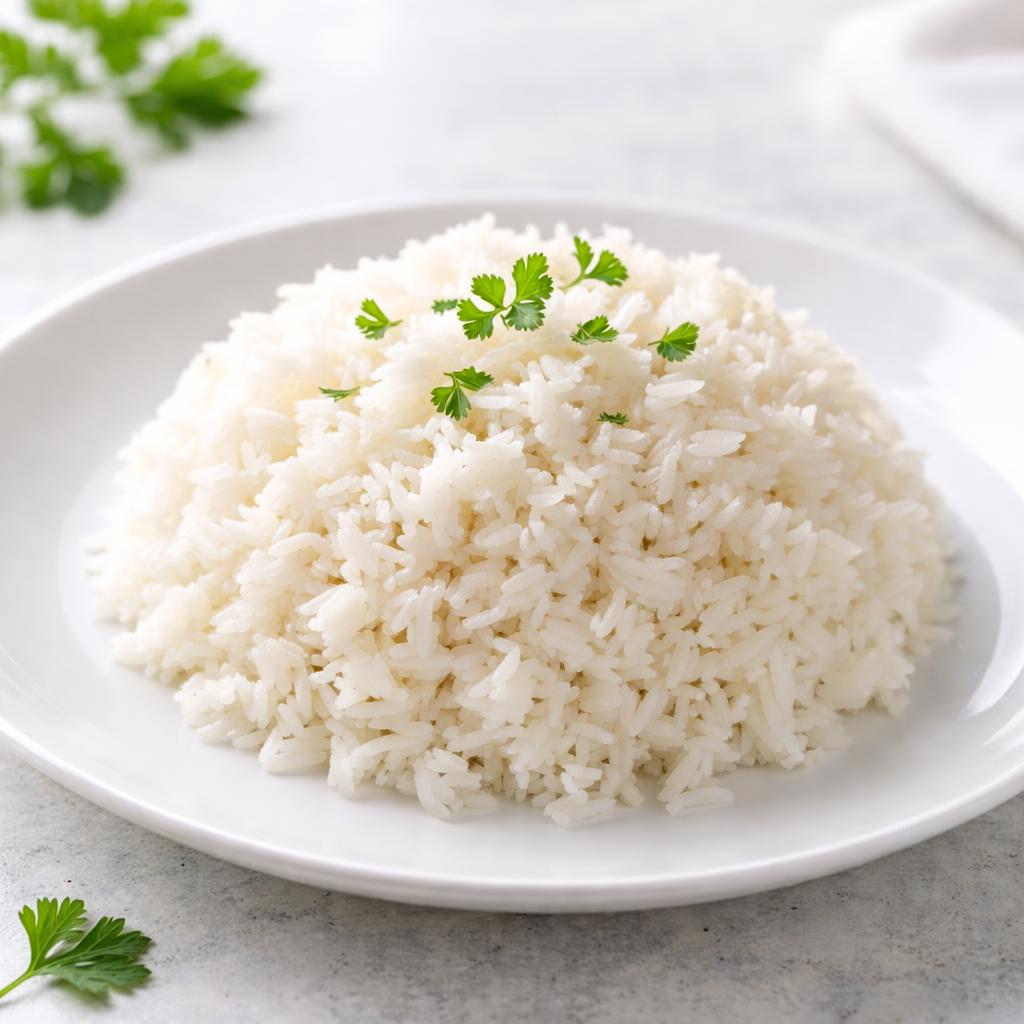
White Rice
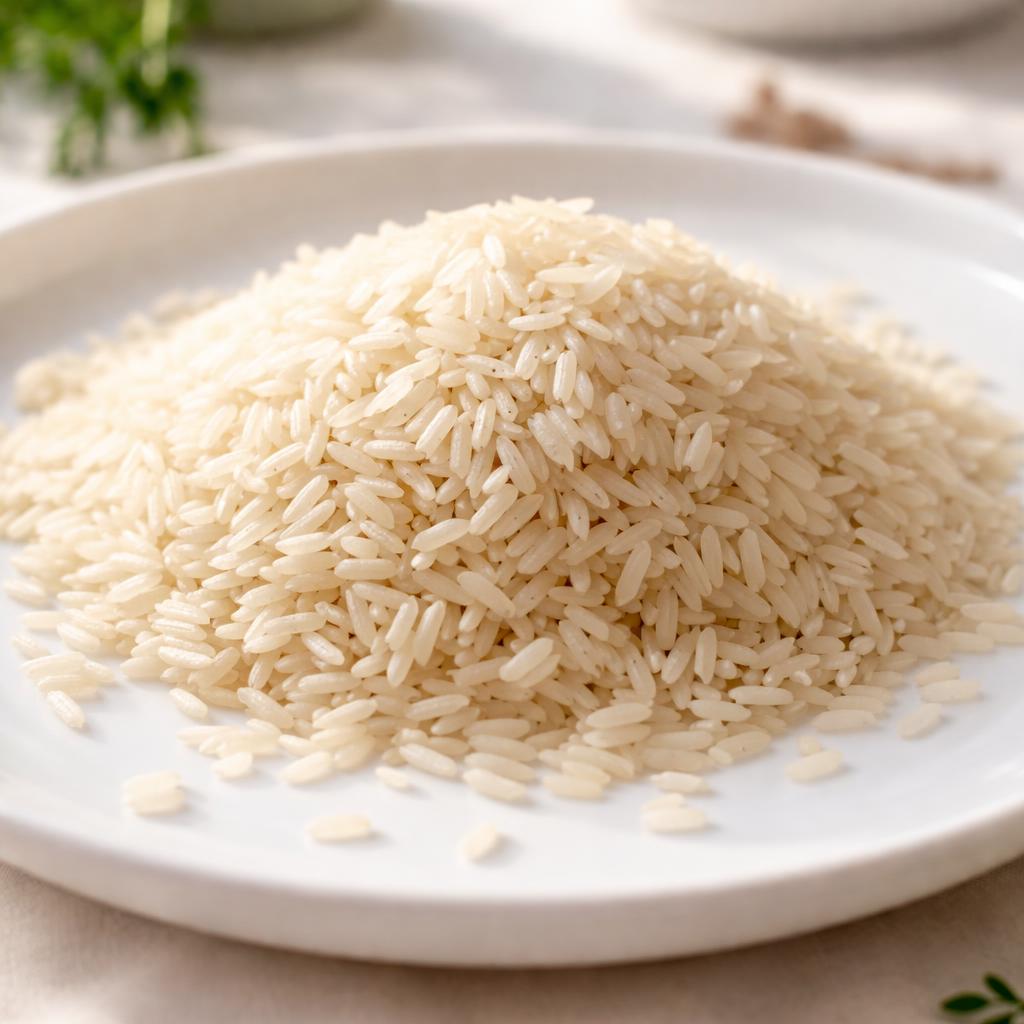
Uncooked Rice
🎯 Quick Verdict
Uncooked rice has a higher nutritional density than white rice, offering more protein, fiber, and certain vitamins per serving. White rice is easier to digest and lower in calories but loses many nutrients during processing. Use white rice for quick energy and uncooked rice for a more nutrient-dense base if properly cooked.

Smart Nutrition Tracking with SnapCalorie

📊 Nutritional Comparison
Macronutrients
| Nutrient | Food 1 | Food 2 | Winner |
|---|---|---|---|
| Calories | 130 per 100g (cooked) | 365 per 100g (uncooked) | ✓ |
| Protein | 2.7g | 7.1g | ✓ |
| Carbs | 28g | 80g | ✓ |
| Fat | 0.3g | 1g | ✓ |
| Fiber | 0.4g | 1.3g | ✓ |
Vitamins & Minerals
| Nutrient | Food 1 | Food 2 | Winner |
|---|---|---|---|
| Vitamin B6 | 0.05mg | 0.16mg | ✓ |
| Thiamin | 0.02mg | 0.40mg | ✓ |
| Niacin | 0.4mg | 1.6mg | ✓ |
🏆 Category Winners
Protein
Uncooked rice has more than double the protein content compared to cooked white rice.
Fiber
Uncooked rice contains more than 3 times the fiber.
Calories
White rice has significantly lower calories when cooked due to water content.
🥗 Diet Compatibility
Keto
Food 1: Not Compatible
Food 2: Not Compatible
Both foods are high in carbs, which disqualifies them from keto diets.
Vegan
Food 1: Compatible
Food 2: Compatible
Both foods are plant-based and free from animal products.
Gluten Free
Food 1: Compatible
Food 2: Compatible
Neither food contains gluten.
Paleo
Food 1: Compatible
Food 2: Compatible
Both are acceptable in paleo diets as non-processed grains.
Low-Carb
Food 1: Not Compatible
Food 2: Not Compatible
Both foods have very high carbohydrate content.
💪 Health Benefits Comparison
Food 1 Benefits
- Quick energy due to high carbohydrate content
- Easy to digest, suitable for sensitive stomachs
- Low in fat, good for low-fat dietary goals
Food 2 Benefits
- Higher protein content for muscle support
- Contains more fiber for better digestion and satiety
- Rich in B vitamins for energy metabolism
✅ The Bottom Line
Choose white rice for easy digestion, quick energy, and lower-calorie meals. Opt for uncooked rice when aiming for more nutrients like protein, fiber, or vitamins. Cook uncooked rice properly to maximize its health benefits.
Choose Food 1 for: Light meals, easy-to-digest options, post-exercise quick energy
Choose Food 2 for: Nutritional density, higher protein meals, long-term energy


