White Rice VS Toast With Spread
A detailed nutritional comparison
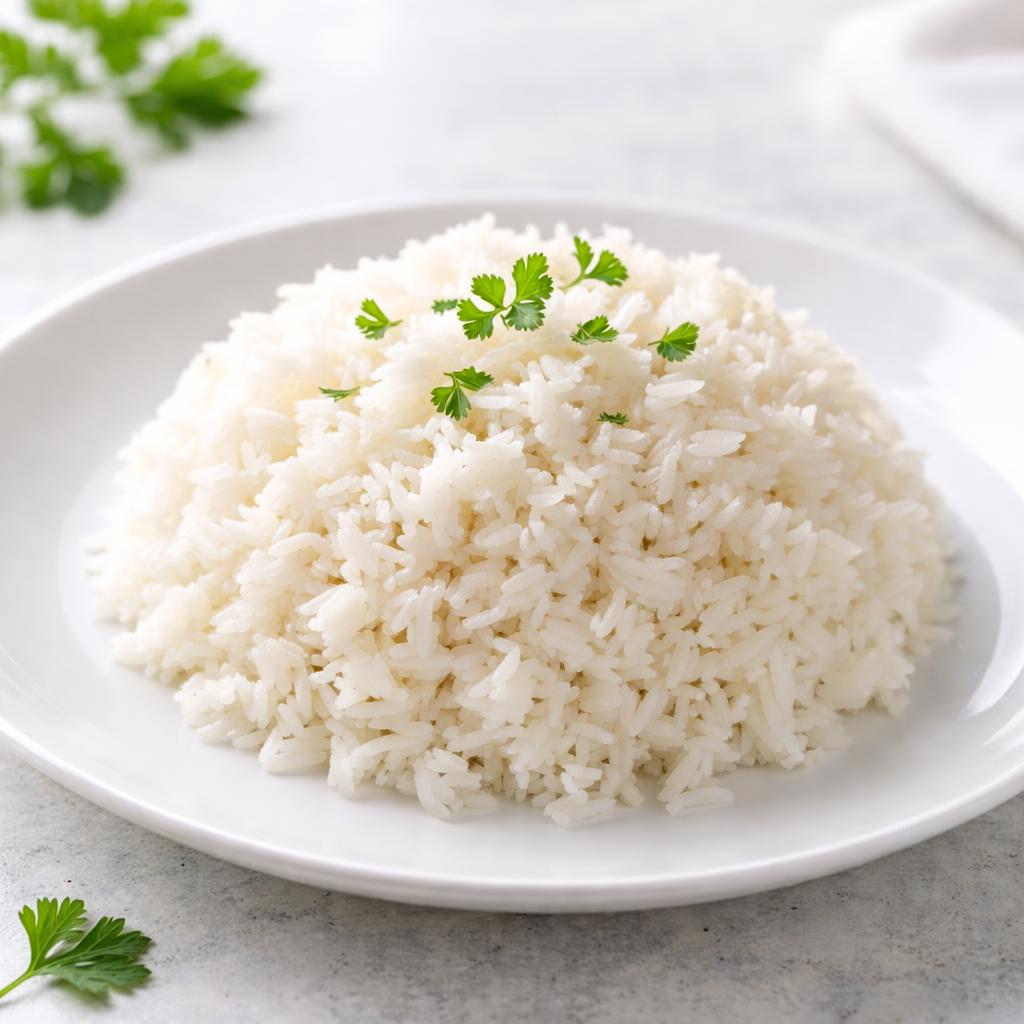
White Rice
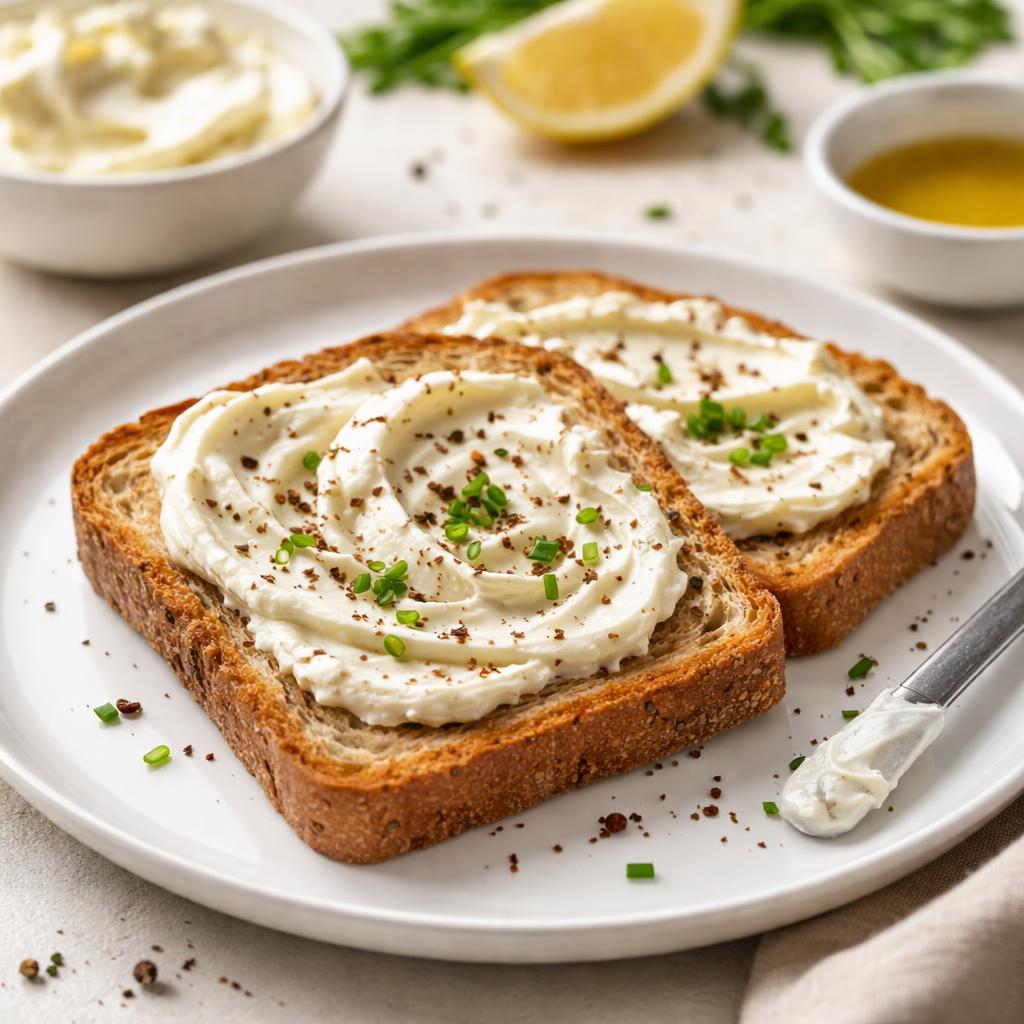
Toast With Spread
🎯 Quick Verdict
Toast with spread wins overall for its higher protein and fiber content, along with greater nutrient density. White rice, while lower in calories and free from gluten, is predominantly a source of carbohydrates. White rice is best for quick energy or simple meals, while toast with spread provides more balanced macronutrients for sustained energy.

Smart Nutrition Tracking with SnapCalorie

📊 Nutritional Comparison
Macronutrients
| Nutrient | Food 1 | Food 2 | Winner |
|---|---|---|---|
| Calories | 130 kcal (1 cup cooked) | 200 kcal (1 slice with spread) | ✓ |
| Protein | 2.7g | 5g | ✓ |
| Carbs | 28g | 22g | ✓ |
| Fat | 0.3g | 7g | ✓ |
| Fiber | 0.4g | 3g | ✓ |
Vitamins & Minerals
| Nutrient | Food 1 | Food 2 | Winner |
|---|---|---|---|
| Vitamin D | 0mcg | 1mcg | ✓ |
| Calcium | 10mg | 30mg | ✓ |
| Iron | 0.2mg | 1mg | ✓ |
🏆 Category Winners
Protein
Toast and spread has nearly double the protein compared to white rice.
Fiber
Toast and spread contains significantly higher fiber, aiding digestion.
Calories
White rice has around 35% fewer calories per serving.
🥗 Diet Compatibility
Keto
Food 1: Not Compatible
Food 2: Not Compatible
Both foods are high in carbohydrates.
Vegan
Food 1: Compatible
Food 2: Depends on spread
Toast with vegan spreads is suitable for vegans; white rice is plant-based.
Gluten Free
Food 1: Compatible
Food 2: Not Compatible
White rice contains no gluten; toast generally contains wheat unless specified gluten-free.
Paleo
Food 1: Possible
Food 2: Not Compatible
White rice may be allowed in some interpretations of a paleo diet, whereas toast is not.
Low-Carb
Food 1: Not Compatible
Food 2: Not Compatible
Both are high in carbohydrates and not ideal for low-carb diets.
💪 Health Benefits Comparison
Food 1 Benefits
- Low in fat and cholesterol-free
- Quick source of energy due to high carbohydrate content
- Free from gluten, suitable for gluten-sensitive individuals
Food 2 Benefits
- Higher protein content supports muscle repair and maintenance
- Contains fiber, beneficial for digestive health
- Provides healthy fats (depending on spread), supporting heart health
✅ The Bottom Line
Choose white rice for a low-calorie, energy-boosting side dish or as part of a gluten-free meal. Opt for toast with spread if you want a more nutritionally balanced option with higher protein and fiber for sustained energy and digestion support.
Choose Food 1 for: Quick energy meals, gluten-free diets, low-fat options
Choose Food 2 for: Balanced nutrient intake, higher protein meals, hearty breakfasts


