White Rice VS Tapioca
A detailed nutritional comparison
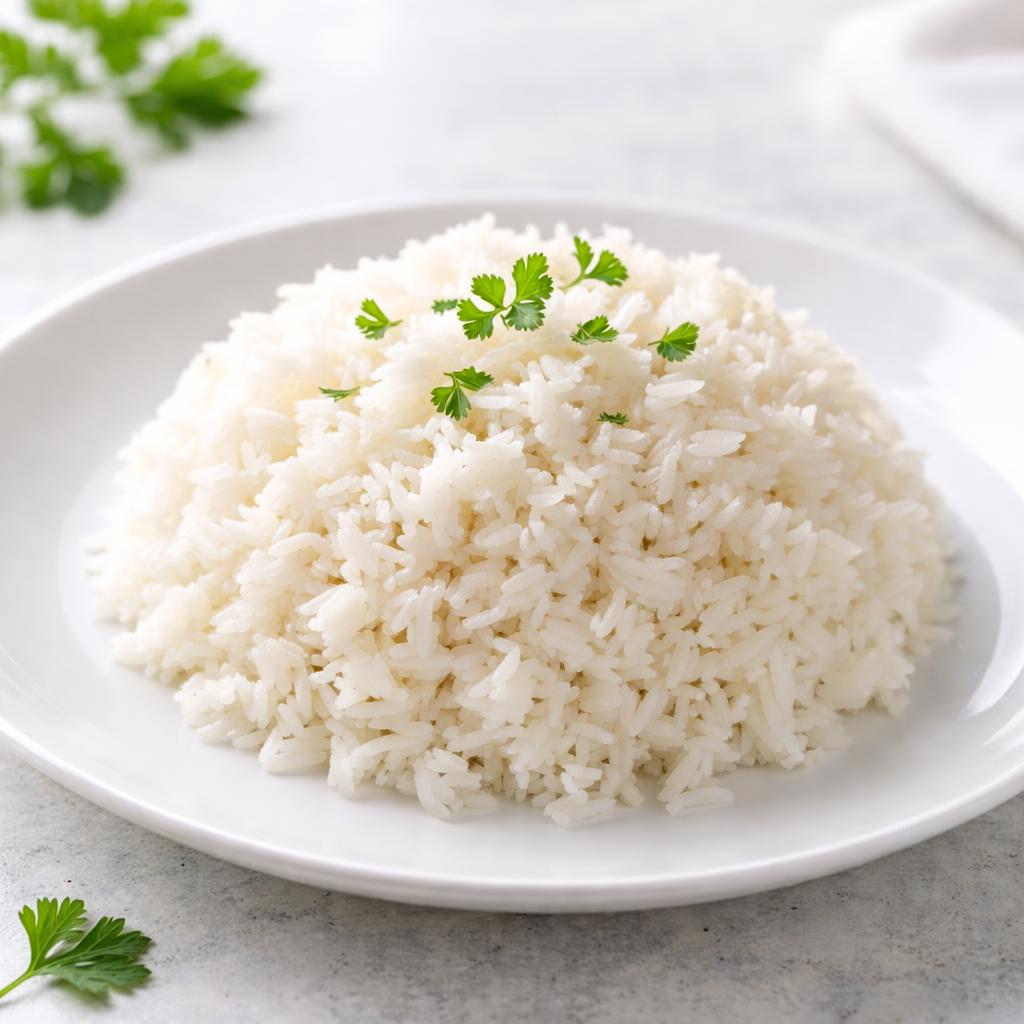
White Rice
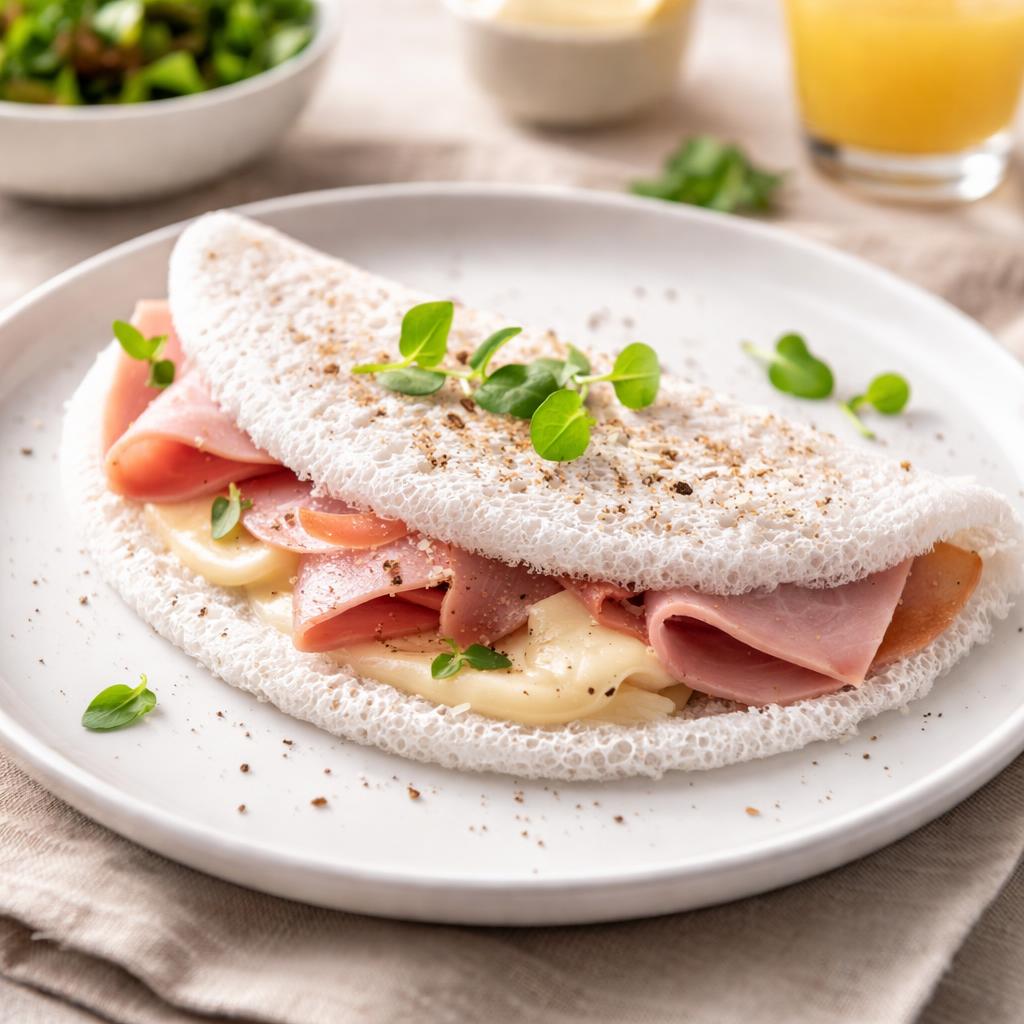
Tapioca
🎯 Quick Verdict
White rice has fewer calories, slightly higher protein, and more vitamins compared to tapioca. Tapioca excels in fiber content but is generally lower in other nutrients. White rice is better for general nutrition, while tapioca is a good option for those needing gluten-free starch or extra fiber.

Smart Nutrition Tracking with SnapCalorie

📊 Nutritional Comparison
Macronutrients
| Nutrient | Food 1 | Food 2 | Winner |
|---|---|---|---|
| Calories | 130 | 358 | ✓ |
| Protein | 2.7g | 0.2g | ✓ |
| Carbs | 28g | 88g | ✓ |
| Fat | 0.3g | 0.02g | ✓ |
| Fiber | 0.4g | 1g | ✓ |
Vitamins & Minerals
| Nutrient | Food 1 | Food 2 | Winner |
|---|---|---|---|
| Vitamin D | 0mcg | 0mcg | − |
| Calcium | 10mg | 30mg | ✓ |
| Iron | 0.2mg | 0.3mg | ✓ |
🏆 Category Winners
Protein
White rice has significantly more protein, with 2.7g compared to tapioca's 0.2g per serving.
Fiber
Tapioca has more fiber, making it better for digestion.
Calories
White rice has fewer calories (130 vs 358).
🥗 Diet Compatibility
Keto
Food 1: Not Compatible
Food 2: Not Compatible
Both foods are very high in carbohydrates.
Vegan
Food 1: Compatible
Food 2: Compatible
Both foods are plant-based.
Gluten Free
Food 1: Compatible
Food 2: Compatible
Both are naturally gluten-free.
Paleo
Food 1: Not Compatible
Food 2: Compatible
Tapioca aligns with paleo standards, while white rice does not.
Low Carb
Food 1: Not Compatible
Food 2: Not Compatible
Both are high in carbohydrates, making them unsuitable for low-carb diets.
💪 Health Benefits Comparison
Food 1 Benefits
- Provides a good source of energy with moderate caloric content.
- Contains small amounts of protein to support muscle growth and repair.
- Easily digestible, suitable for sensitive stomachs.
Food 2 Benefits
- Higher fiber content helps promote digestive health.
- Rich in carbohydrates, providing quick energy for physical activities.
- Gluten-free, ideal for individuals with gluten intolerance or celiac disease.
✅ The Bottom Line
White rice is a better choice for those seeking a more balanced macronutrient profile and fewer calories, whereas tapioca is ideal for gluten-free diets or a quick energy boost. Both are low in fat and suitable for different needs.
Choose Food 1 for: Weight management, general nutrition, sensitive stomachs
Choose Food 2 for: Gluten-free diets, paleo followers, quick energy boost


