White Rice VS Stuffing
A detailed nutritional comparison
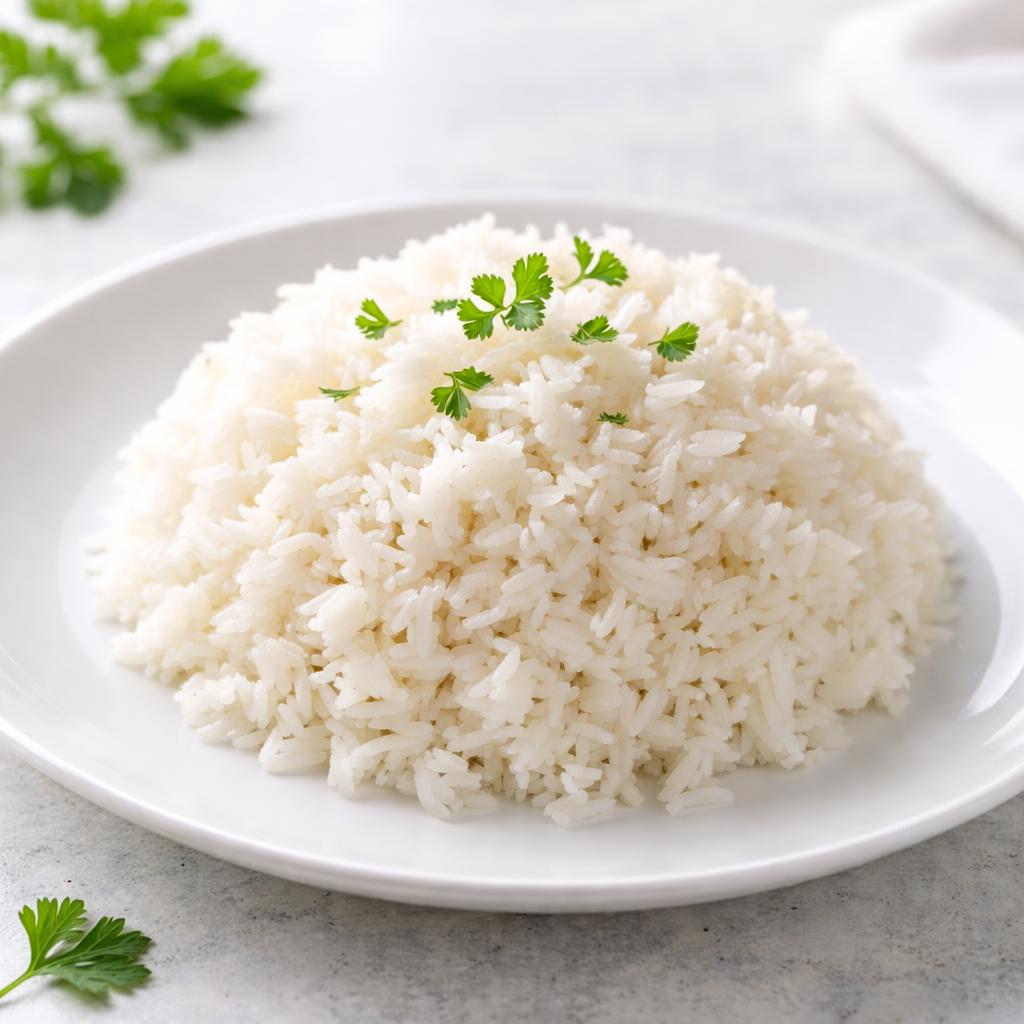
White Rice
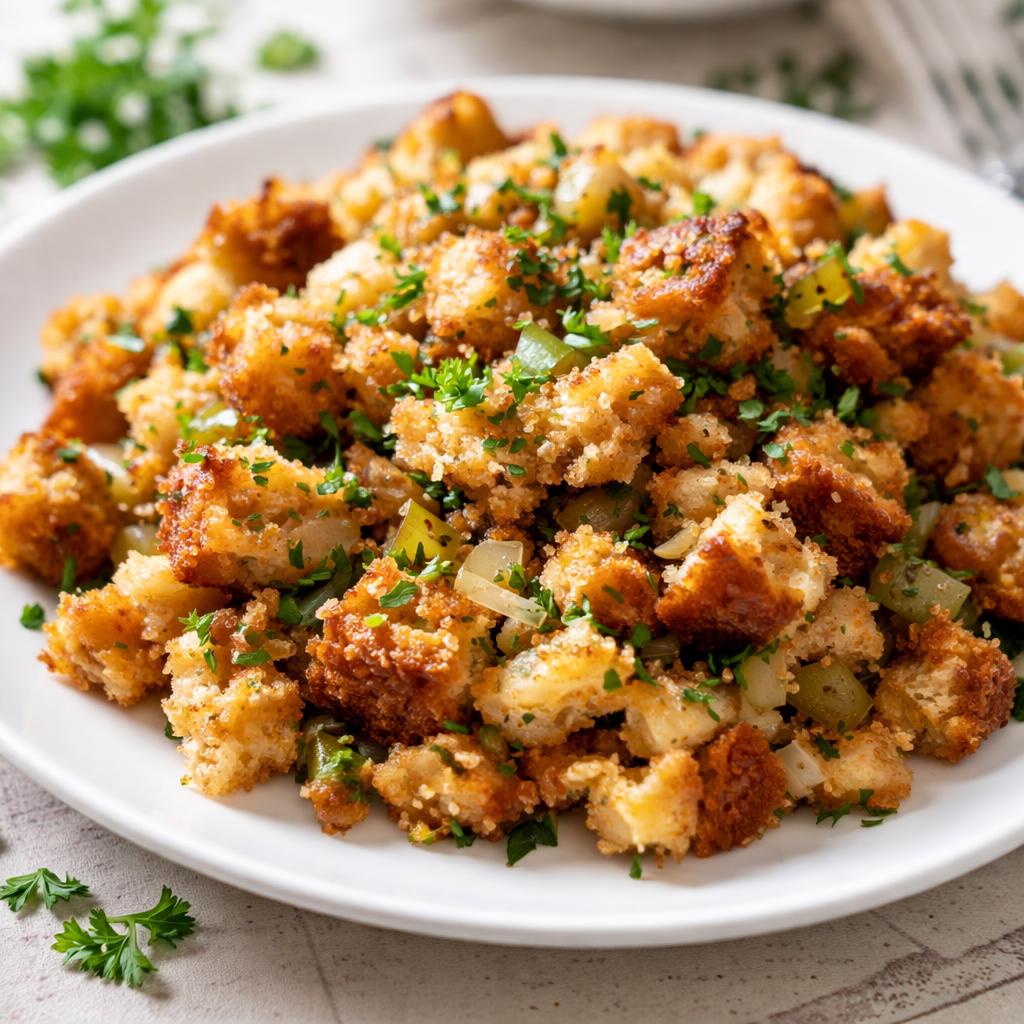
Stuffing
🎯 Quick Verdict
White rice is lower in calories and provides a simpler carbohydrate profile, making it a quick source of energy without many additional nutrients. Stuffing is a more nutrient-dense option, offering higher protein, fiber, and vitamins, but also more calories and fat. Choose white rice for quick energy or stuffing for a more balanced option that complements meals with additional nutrition.

Smart Nutrition Tracking with SnapCalorie

📊 Nutritional Comparison
Macronutrients
| Nutrient | Food 1 | Food 2 | Winner |
|---|---|---|---|
| Calories | 130 per 1 cup cooked | 330 per 1 cup prepared stuffing | ✓ |
| Protein | 2.7g | 8g | ✓ |
| Carbs | 28g | 42g | ✓ |
| Fat | 0.3g | 15g | ✓ |
| Fiber | 0.4g | 3g | ✓ |
Vitamins & Minerals
| Nutrient | Food 1 | Food 2 | Winner |
|---|---|---|---|
| Vitamin D | 0mcg | 1.5mcg | ✓ |
| Calcium | 10mg | 30mg | ✓ |
| Iron | 0.2mg | 2mg | ✓ |
🏆 Category Winners
Protein
Stuffing contains nearly three times more protein than white rice.
Fiber
Stuffing has seven times more fiber per serving than white rice.
Calories
White rice has significantly fewer calories per cup compared to stuffing.
Vitamins
Stuffing provides higher levels of vitamin D, calcium, and iron, which are nearly absent in white rice.
🥗 Diet Compatibility
Keto
Food 1: Not Compatible
Food 2: Not Compatible
Both foods are high in carbohydrates.
Vegan
Food 1: Compatible
Food 2: Generally Compatible
Both can be vegan, but stuffing recipes may contain non-vegan ingredients like butter.
Gluten Free
Food 1: Compatible
Food 2: Not Compatible
White rice is naturally gluten-free, while stuffing typically contains bread with gluten.
Paleo
Food 1: Compatible
Food 2: Not Compatible
White rice is borderline paleo-friendly in certain interpretations, while stuffing typically uses processed bread or grains.
Low-Carb
Food 1: Not Compatible
Food 2: Not Compatible
Both are high in carbs, exceeding limits for low-carb diets.
💪 Health Benefits Comparison
Food 1 Benefits
- Quick energy source due to high carb content
- Low fat, making it a lean carb option
- Naturally gluten-free
Food 2 Benefits
- Higher protein content for muscle repair and satiety
- Contains fiber for better digestion and cardiovascular health
- Rich in iron and calcium for improved bone and blood health
✅ The Bottom Line
White rice is a simple, low-calorie option mostly suitable for energy needs during or after physical activity. Stuffing offers a more nutrient-dense profile, ideal for supporting a well-rounded diet, but comes with higher calorie and fat content. Choose white rice for quick digestion and light meals, or use stuffing in smaller portions to enhance meal nutritional value.
Choose Food 1 for: Quick energy, light meals, gluten-free diets
Choose Food 2 for: Dinner sides, nutrient-dense meals, higher protein needs


