White Rice VS Steamed Buns
A detailed nutritional comparison
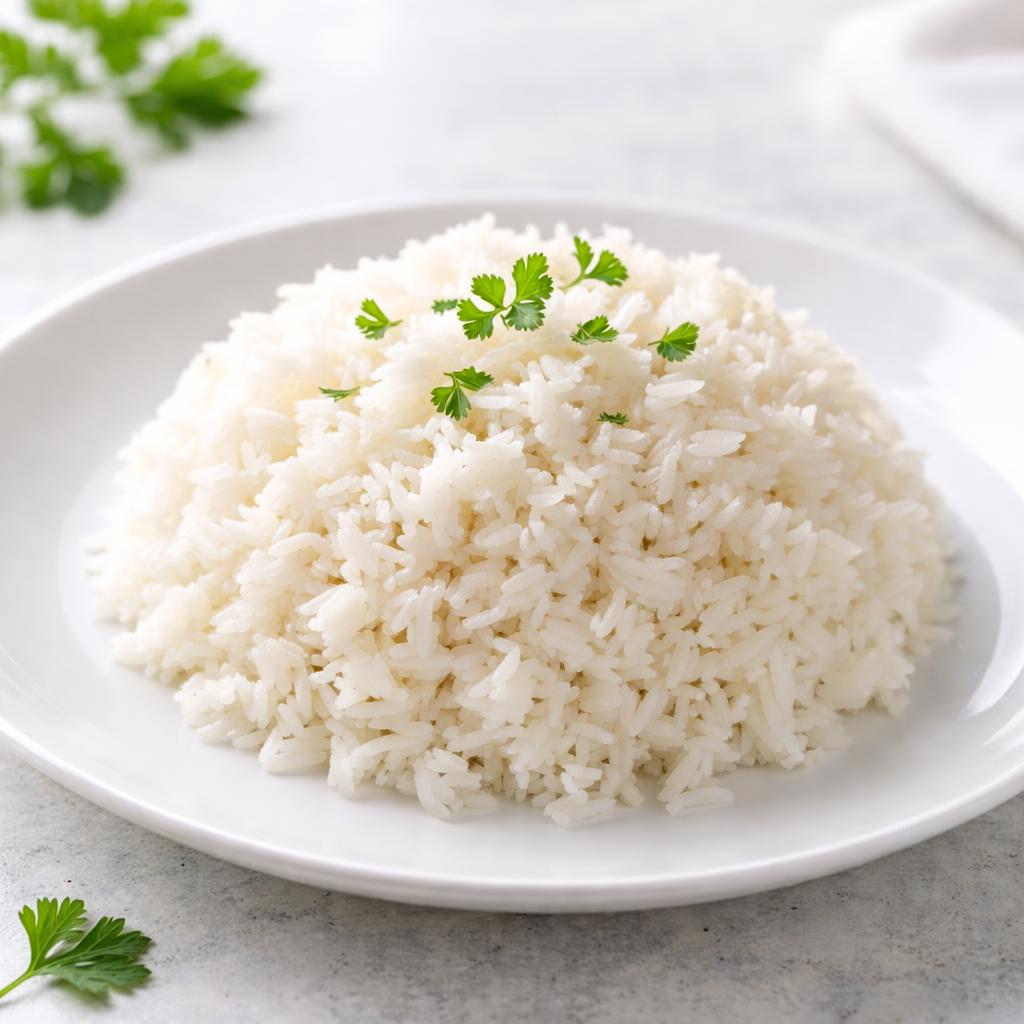
White Rice
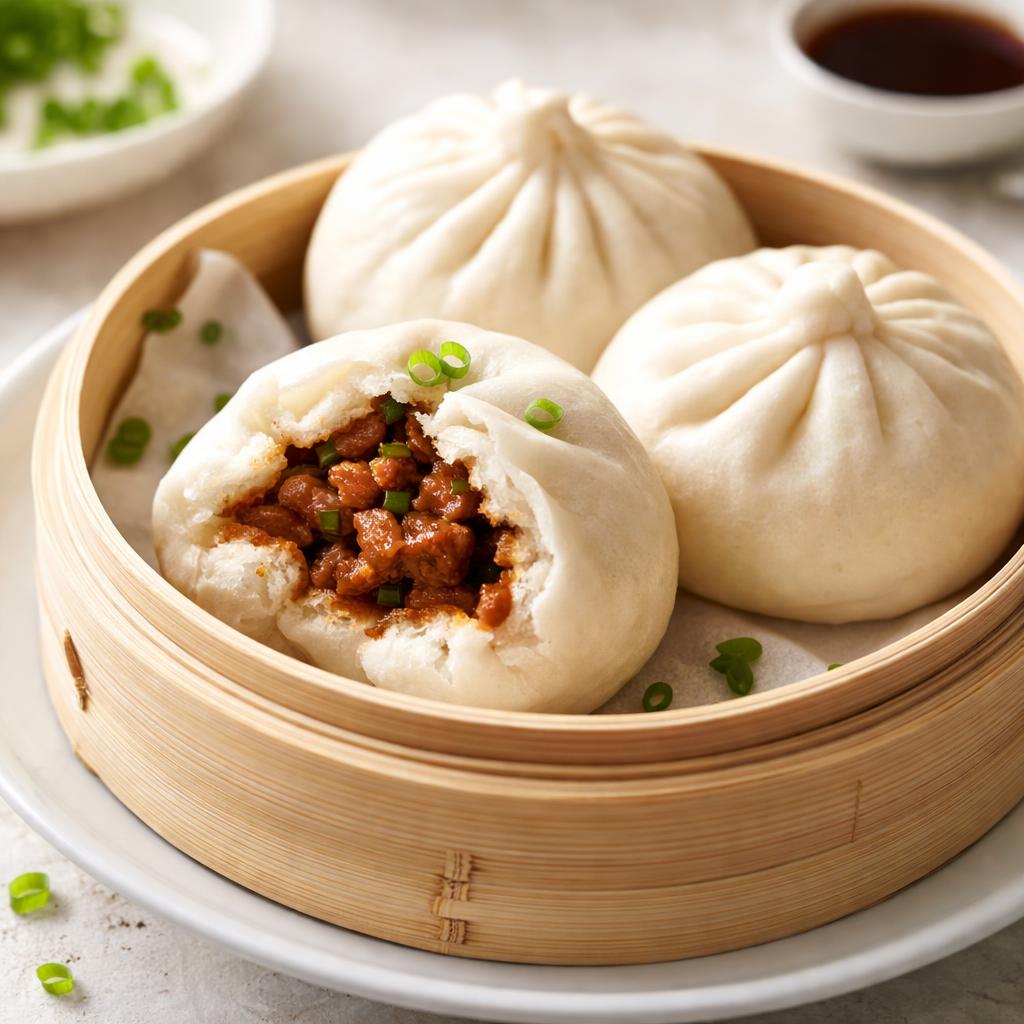
Steamed Buns
🎯 Quick Verdict
White rice is lower in calories but lacks substantial protein and fiber compared to steamed buns. Steamed buns offer greater overall nutrition, with higher protein, fiber, and other essential nutrients, making them more filling and versatile. White rice is better suited for low-calorie meals, while steamed buns work well for moderately nutrient-dense, portable options.

Smart Nutrition Tracking with SnapCalorie

📊 Nutritional Comparison
Macronutrients
| Nutrient | Food 1 | Food 2 | Winner |
|---|---|---|---|
| Calories | 130 (per 100g) | 220 (per 100g) | ✓ |
| Protein | 2.7g | 7g | ✓ |
| Carbs | 28g | 35g | ✓ |
| Fat | 0.3g | 4g | ✓ |
| Fiber | 0.4g | 2g | ✓ |
Vitamins & Minerals
| Nutrient | Food 1 | Food 2 | Winner |
|---|---|---|---|
| Vitamin B1 (Thiamine) | 0.02mg | 0.1mg | ✓ |
| Iron | 0.2mg | 1mg | ✓ |
| Calcium | 10mg | 20mg | ✓ |
🏆 Category Winners
Protein
Steamed buns have 159% more protein compared to white rice.
Fiber
Steamed buns provide 400% more dietary fiber per serving.
Calories
White rice has 41% fewer calories than steamed buns.
🥗 Diet Compatibility
Keto
Food 1: Not Compatible
Food 2: Not Compatible
Both are high-carb foods, unsuitable for keto diets.
Vegan
Food 1: Compatible
Food 2: Compatible
Both are plant-based foods.
Gluten Free
Food 1: Compatible
Food 2: Not Compatible
White rice is naturally gluten-free, while steamed buns contain gluten from wheat.
Paleo
Food 1: Compatible
Food 2: Not Compatible
White rice is occasionally acceptable in paleo diets, but steamed buns are excluded due to processed components.
Low Carb
Food 1: Not Compatible
Food 2: Not Compatible
Both foods are high in carbohydrates, exceeding low-carb meal thresholds.
💪 Health Benefits Comparison
Food 1 Benefits
- Low in calories, suitable for weight management
- Gluten-free, ideal for individuals with gluten intolerance
- Rice can be easily digestible for individuals with sensitivities
Food 2 Benefits
- Higher in protein for muscle repair and maintenance
- Contains dietary fiber for digestion and satiety
- Rich in iron, supporting healthy blood function
✅ The Bottom Line
White rice is best for low-calorie, gluten-free, or simpler meals, while steamed buns are more nutritionally filling, with higher protein and fiber content. Choose based on dietary needs and specific palette preferences.
Choose Food 1 for: Weight management, gluten intolerance, simplified meal recipes
Choose Food 2 for: Higher satiety, nutrient density, portable and balanced snacks or meals


