White Rice VS Sodium
A detailed nutritional comparison
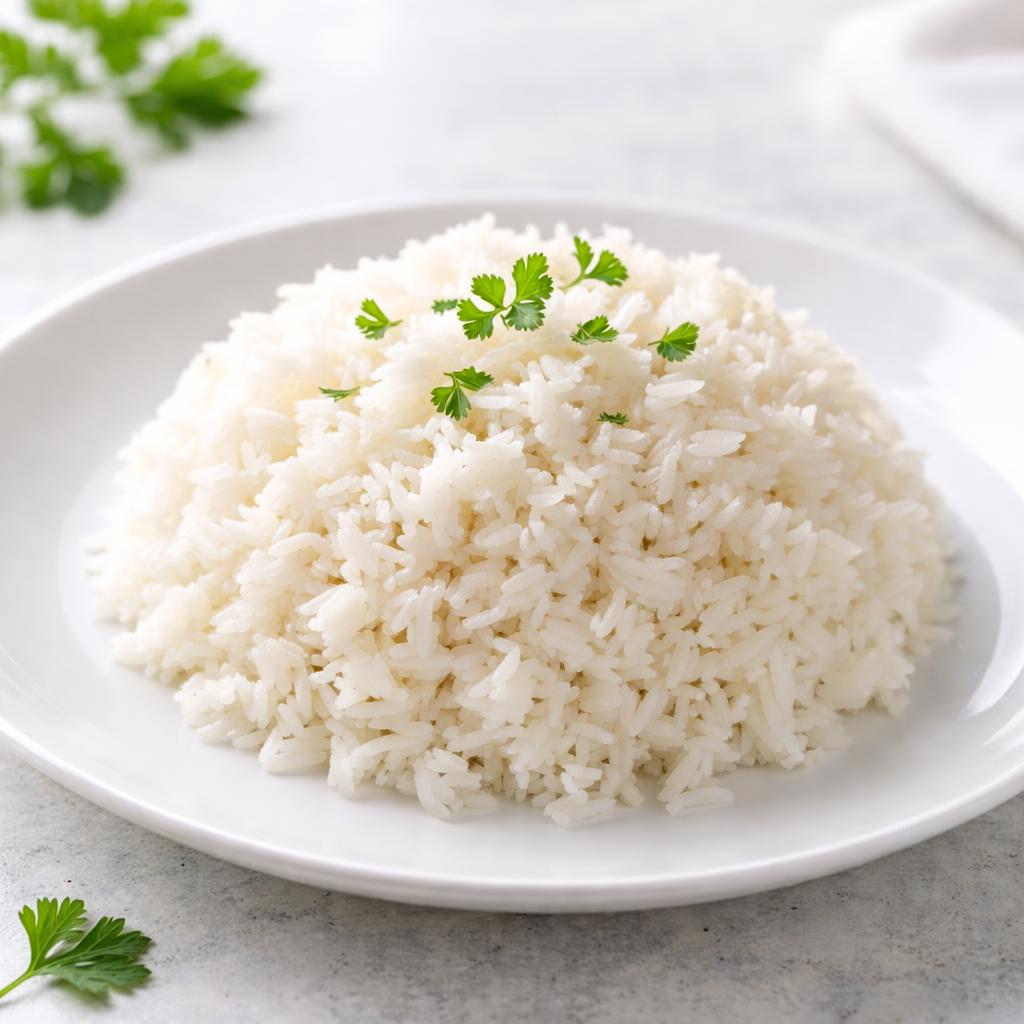
White Rice
Sodium
🎯 Quick Verdict
White rice provides essential energy and nutrients like carbohydrates, a small amount of protein, and trace vitamins, whereas sodium is a mineral that supports fluid balance and nerve function but lacks macronutrients. White rice is better suited as a primary food source, while sodium is an additive essential in moderation to avoid health risks like hypertension.

Smart Nutrition Tracking with SnapCalorie

📊 Nutritional Comparison
Macronutrients
| Nutrient | Food 1 | Food 2 | Winner |
|---|---|---|---|
| Calories | 206 (per cup cooked) | 0 | ✓ |
| Protein | 4.3g | 0g | ✓ |
| Carbs | 45g | 0g | ✓ |
| Fat | 0.4g | 0g | ✓ |
| Fiber | 0.6g | 0g | ✓ |
Vitamins & Minerals
| Nutrient | Food 1 | Food 2 | Winner |
|---|---|---|---|
| Vitamin D | 0mcg | 0mcg | − |
| Calcium | 10mg | 0mg | ✓ |
| Iron | 0.2mg | 0mg | ✓ |
🏆 Category Winners
Protein
White rice has 4.3g of protein per cup, whereas sodium has none.
Fiber
White rice provides 0.6g of fiber, sodium contains none.
Calories
Sodium has no calories, yet white rice has manageable calorie levels at 206 per cup, making it suitable for energy needs.
🥗 Diet Compatibility
Keto
Food 1: Not Compatible
Food 2: Compatible
White rice is high in carbohydrates, while sodium fits the keto framework.
Vegan
Food 1: Compatible
Food 2: Compatible
Both are plant-based and suitable for vegan diets.
Gluten Free
Food 1: Compatible
Food 2: Compatible
Neither food contains gluten.
Paleo
Food 1: Not Compatible
Food 2: Compatible
White rice is excluded in strict paleo diets, while sodium is fully acceptable.
Low-Carb
Food 1: Not Compatible
Food 2: Compatible
White rice is high in carbs, but sodium has no carbohydrates.
💪 Health Benefits Comparison
Food 1 Benefits
- Provides quick energy through high carbohydrate content
- Gluten-free grain suitable for individuals with gluten intolerance
- Low in fat, making it a heart-healthy option when consumed in moderation
Food 2 Benefits
- Essential for fluid balance and hydration
- Supports proper muscle and nerve function
- Helps maintain electrolyte levels, especially during rigorous physical activity
✅ The Bottom Line
White rice is suitable as a staple for energy and moderate nutrient intake, best for active individuals or recovery meals. Sodium serves a functional purpose in small amounts for hydration, but overconsumption can lead to health risks. Choose rice for energy and sodium for supplementation when necessary.
Choose Food 1 for: Energy replenishment, versatile meal base, gluten-free diets
Choose Food 2 for: Electrolyte balance, seasoning, fluid regulation


