White Rice VS Sliders
A detailed nutritional comparison
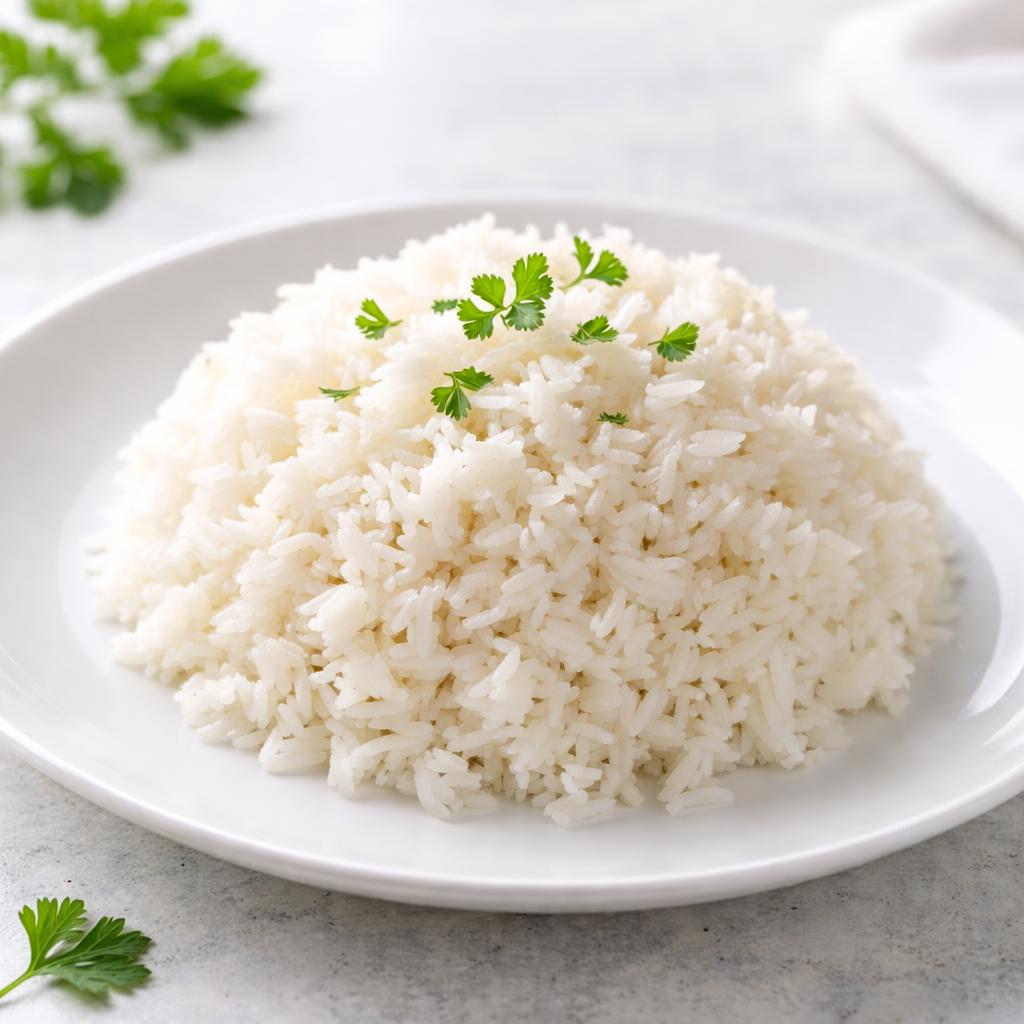
White Rice
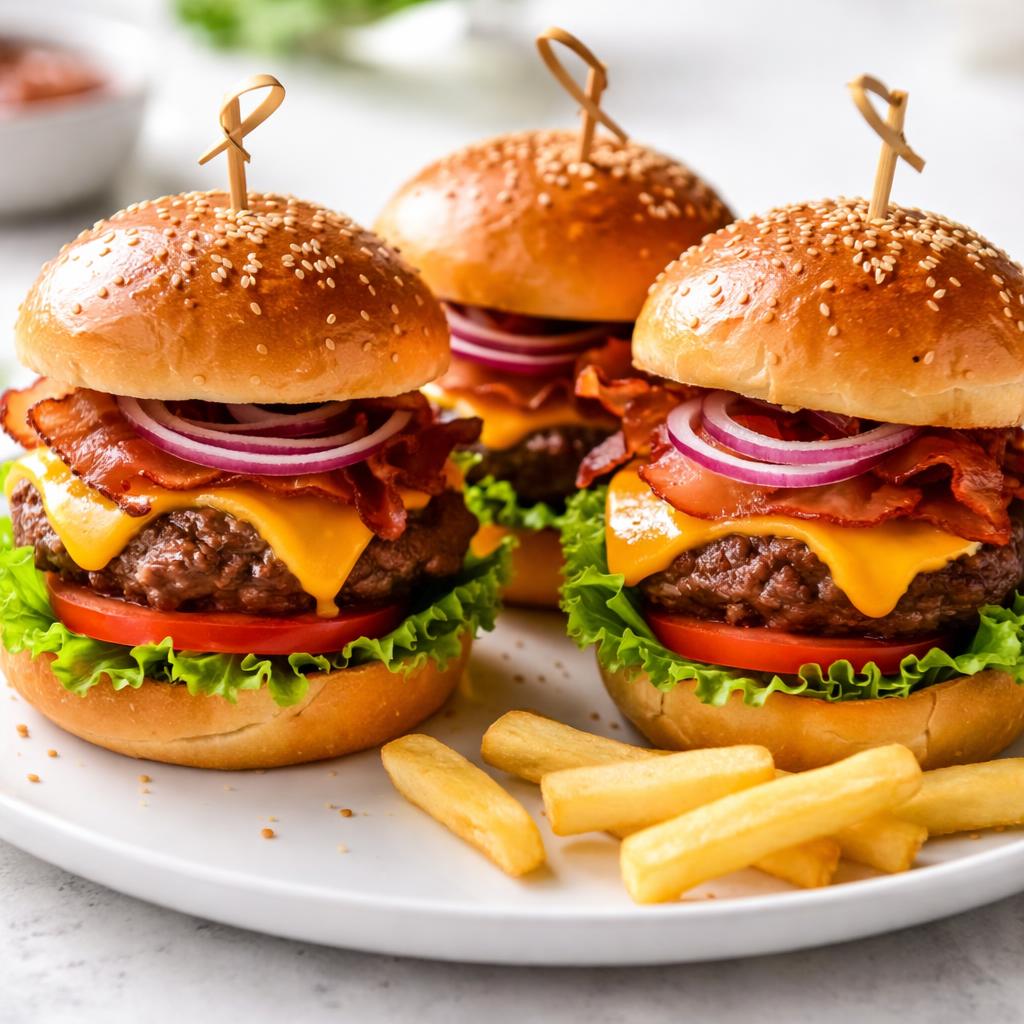
Sliders
🎯 Quick Verdict
White rice is lower in calories and contains minimal fat but lacks significant fiber and protein. Sliders provide substantially more protein, fiber, and essential vitamins but are higher in calories and fat. White rice is best for low-calorie meals, while sliders offer a balanced macronutrient profile suited for energy-rich and protein-focused diets.

Smart Nutrition Tracking with SnapCalorie

📊 Nutritional Comparison
Macronutrients
| Nutrient | Food 1 | Food 2 | Winner |
|---|---|---|---|
| Calories | 205 | 310 | ✓ |
| Protein | 4g | 12g | ✓ |
| Carbs | 45g | 26g | ✓ |
| Fat | 0.5g | 15g | ✓ |
| Fiber | 0.5g | 2g | ✓ |
Vitamins & Minerals
| Nutrient | Food 1 | Food 2 | Winner |
|---|---|---|---|
| Vitamin D | 0mcg | 2mcg | ✓ |
| Calcium | 10mg | 100mg | ✓ |
| Iron | 1mg | 2mg | ✓ |
🏆 Category Winners
Protein
Sliders contain 3x the protein compared to white rice.
Fiber
Sliders provide 4x more fiber than white rice.
Calories
White rice has approximately 30% fewer calories per serving.
🥗 Diet Compatibility
Keto
Food 1: Not Compatible
Food 2: Partially Compatible
Sliders are lower carb but contain buns, not ideal for strict keto.
Vegan
Food 1: Compatible
Food 2: Not Compatible
White rice is plant-based, sliders typically contain meat or animal products.
Gluten Free
Food 1: Compatible
Food 2: Not Compatible
White rice is naturally gluten-free; sliders often have gluten-containing buns.
Paleo
Food 1: Not Compatible
Food 2: Not Compatible
White rice is a grain, and sliders typically contain processed ingredients, excluding both from paleo diets.
Low-Carb
Food 1: Not Compatible
Food 2: Partially Compatible
White rice is high-carb; sliders are moderately lower-carb with protein balance.
💪 Health Benefits Comparison
Food 1 Benefits
- Low in fat for calorie-controlled diets
- Quick source of energy from carbohydrates
- Naturally gluten-free for sensitive individuals
Food 2 Benefits
- High protein content supports muscle building
- Provides healthy fats for energy and satiety
- Rich in essential vitamins like calcium and iron
✅ The Bottom Line
Choose white rice for low-calorie, energy-quick meals, especially for plant-based diets or as a gluten-free option. Opt for sliders if you're prioritizing protein, fiber, and nutrient density in a more substantial and balanced meal.
Choose Food 1 for: Low-calorie meals, vegan diets, gluten-free options
Choose Food 2 for: High-protein meals, nutrient-dense diets, post-workout recovery


