White Rice VS Shredded Cheddar Cheese
A detailed nutritional comparison
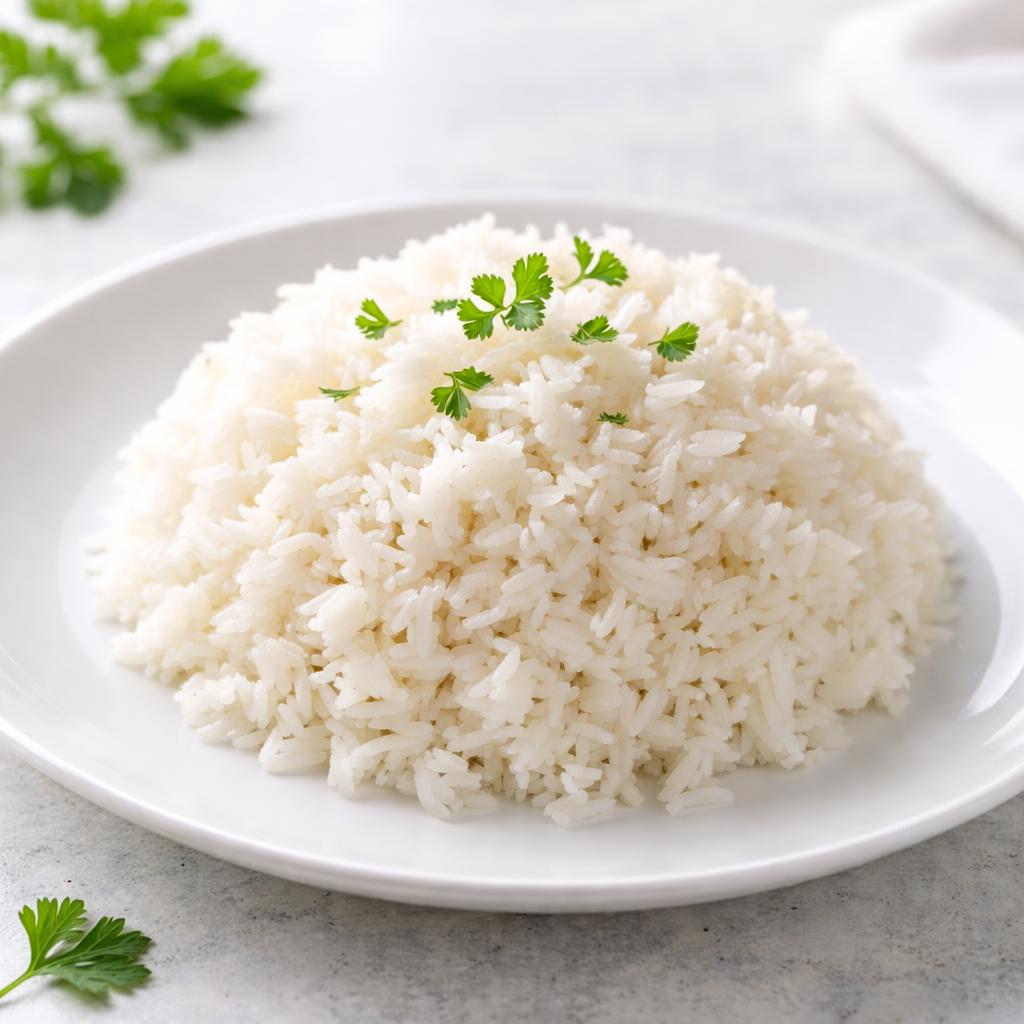
White Rice
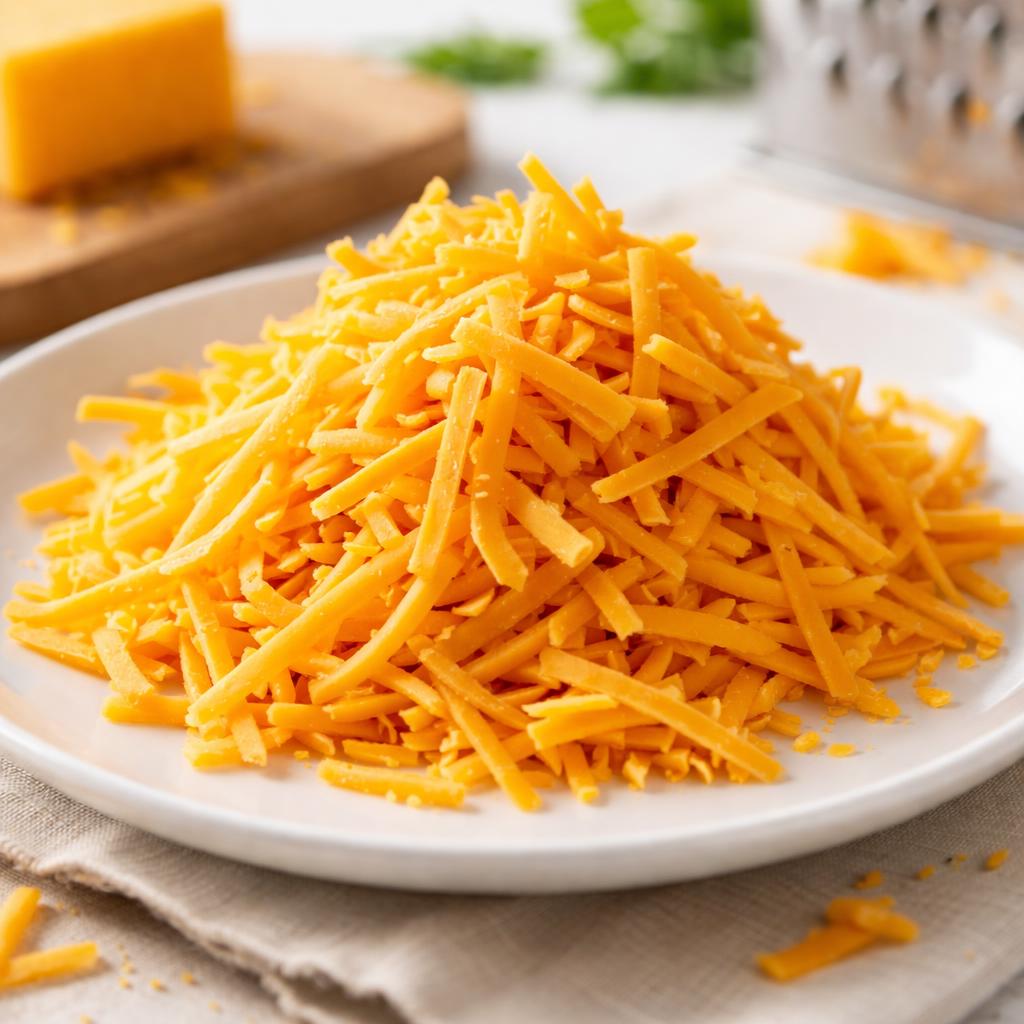
Shredded Cheddar Cheese
🎯 Quick Verdict
White rice and shredded cheddar cheese offer very different nutritional profiles. Rice is primarily a carbohydrate source with lower calories and little protein, while cheese is high in protein, fat, and calories but provides more nutrients like calcium. Rice is best for energy and quick, gluten-free meals, while cheese supports high-protein diets and bone health.

Smart Nutrition Tracking with SnapCalorie

📊 Nutritional Comparison
Macronutrients
| Nutrient | Food 1 | Food 2 | Winner |
|---|---|---|---|
| Calories | 130 | 120 | ✓ |
| Protein | 2g | 7g | ✓ |
| Carbs | 28g | 1g | ✓ |
| Fat | 0g | 9g | ✓ |
| Fiber | 0g | 0g | − |
Vitamins & Minerals
| Nutrient | Food 1 | Food 2 | Winner |
|---|---|---|---|
| Vitamin D | 0mcg | 0.2mcg | ✓ |
| Calcium | 10mg | 200mg | ✓ |
| Iron | 0.2mg | 0.1mg | ✓ |
🏆 Category Winners
Protein
Shredded cheddar cheese has 3.5 times more protein per serving.
Fiber
Neither food provides dietary fiber.
Calories
White rice is slightly lower in calories compared to cheese.
🥗 Diet Compatibility
Keto
Food 1: Not Compatible
Food 2: Compatible
Rice is high in carbs, while cheese is very low-carb.
Vegan
Food 1: Compatible
Food 2: Not Compatible
Cheese is an animal-based product; rice is plant-based.
Gluten Free
Food 1: Compatible
Food 2: Compatible
Neither food contains gluten.
Paleo
Food 1: Not Compatible
Food 2: Not Compatible
Neither cheese nor white rice is considered strictly paleo.
Low Carb
Food 1: Not Compatible
Food 2: Compatible
Rice is high in carbohydrates, making it unsuitable for low-carb diets.
💪 Health Benefits Comparison
Food 1 Benefits
- Provides quick energy due to its carbohydrate content
- Gluten-free and easy to digest
- Versatile for meals and cooking
Food 2 Benefits
- Rich in protein for muscle building and repair
- Good source of calcium for bone health
- Contains healthy fats for sustained energy and absorption of vitamins
✅ The Bottom Line
Choose white rice for quick energy and a staple grain for gluten-free meals. Opt for shredded cheddar cheese for high protein, calcium, and healthy fats essential for bone health and muscle repair. Both have distinct roles in a balanced diet.
Choose Food 1 for: Quick energy, gluten-free diets, light calorie meals
Choose Food 2 for: High-protein diets, bone health, nutrient density


