White Rice VS Shirataki Rice
A detailed nutritional comparison
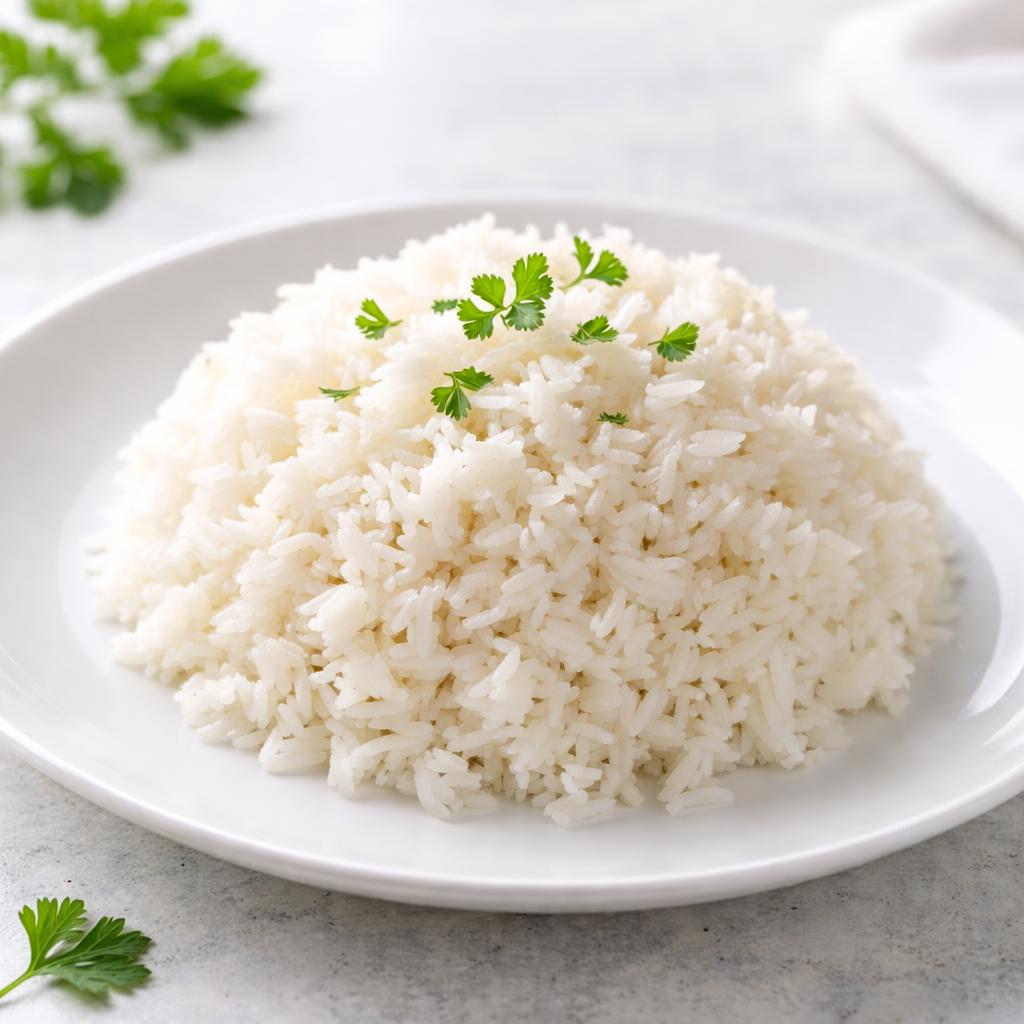
White Rice
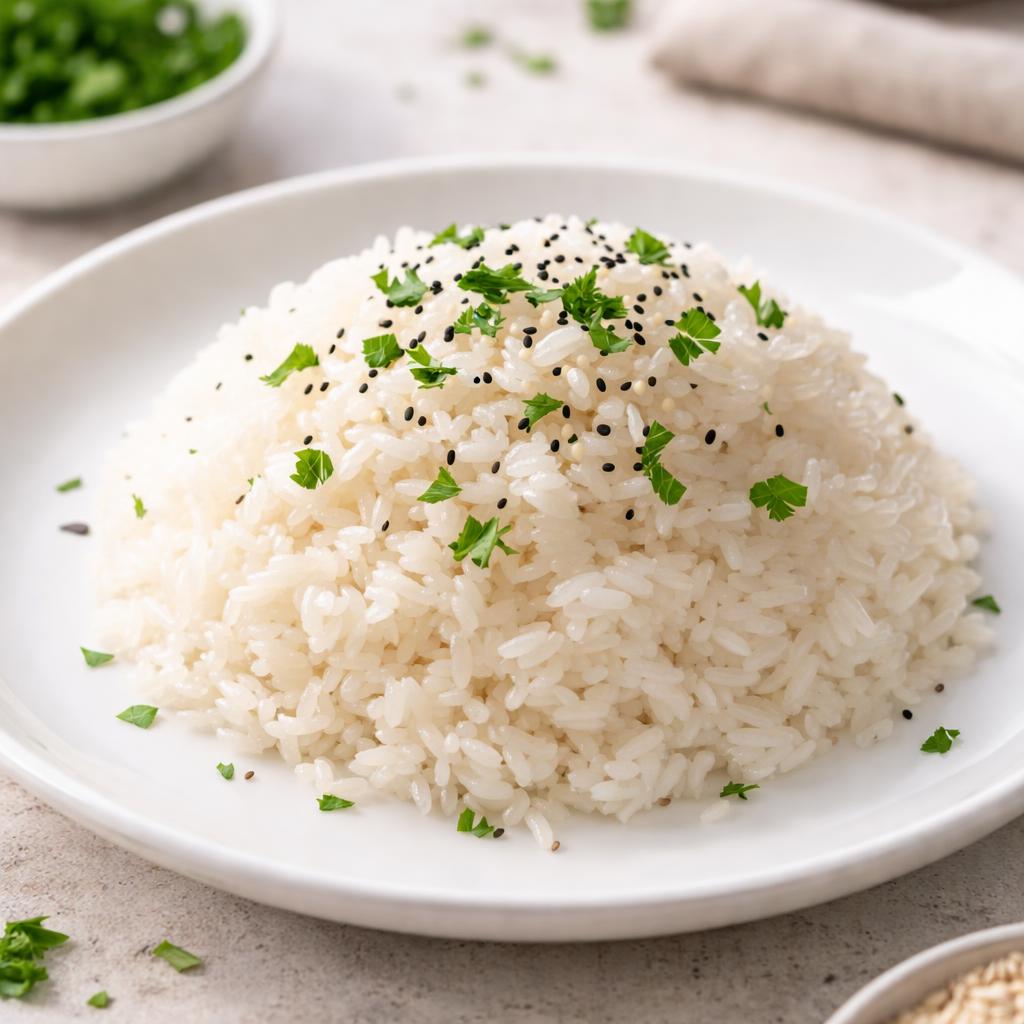
Shirataki Rice
🎯 Quick Verdict
Shirataki rice significantly outperforms white rice in terms of calorie and carbohydrate content, making it ideal for weight management and low-carb diets. White rice provides slightly more energy and may be better for athletes needing quick carbohydrate intake. Shirataki rice excels in fiber content and is highly compatible across specialized diets like keto and paleo.

Smart Nutrition Tracking with SnapCalorie

📊 Nutritional Comparison
Macronutrients
| Nutrient | Food 1 | Food 2 | Winner |
|---|---|---|---|
| Calories | 130 | 10 | ✓ |
| Protein | 2g | 2g | − |
| Carbs | 28g | 3g | ✓ |
| Fat | 0g | 0g | − |
| Fiber | 0g | 3g | ✓ |
Vitamins & Minerals
| Nutrient | Food 1 | Food 2 | Winner |
|---|---|---|---|
| Vitamin D | 0mcg | 0mcg | − |
| Calcium | 10mg | 20mg | ✓ |
| Iron | 0.2mg | 0.3mg | ✓ |
🏆 Category Winners
Protein
Both white rice and shirataki rice provide 2g of protein per serving.
Fiber
Shirataki rice contains 3g of fiber compared to 0g in white rice.
Calories
Shirataki rice has 92% fewer calories (10 vs 130 per serving).
🥗 Diet Compatibility
Keto
Food 1: Not Compatible
Food 2: Compatible
White rice is high-carb, while shirataki rice is low-carb.
Vegan
Food 1: Compatible
Food 2: Compatible
Both are plant-based foods.
Gluten Free
Food 1: Compatible
Food 2: Compatible
Neither contains gluten.
Paleo
Food 1: Not Compatible
Food 2: Compatible
White rice is excluded from paleo diets, while shirataki is acceptable.
Low Carbohydrate
Food 1: Not Compatible
Food 2: Compatible
Shirataki rice has 3g of carbs per serving compared to 28g in white rice.
💪 Health Benefits Comparison
Food 1 Benefits
- Provides quick energy through high carbohydrate content.
- Neutral taste pairs well with savory dishes.
- Easy to digest for most individuals.
Food 2 Benefits
- Extremely low in calories, suitable for weight loss.
- High fiber content promotes digestive health and fullness.
- Low-carb food ideal for ketogenic or diabetic diets.
✅ The Bottom Line
Shirataki rice is the better choice for those seeking low-calorie, low-carb alternatives. White rice may be better for athletes or individuals needing quick energy from carbohydrates. Shirataki rice’s high fiber content and adaptability make it the preferred option for weight control and specialized diets.
Choose Food 1 for: Energy replenishment, quick-prep meals, traditional recipes
Choose Food 2 for: Weight loss, low-carb diets, diabetic-friendly meals


