White Rice VS Sesame Sauce
A detailed nutritional comparison
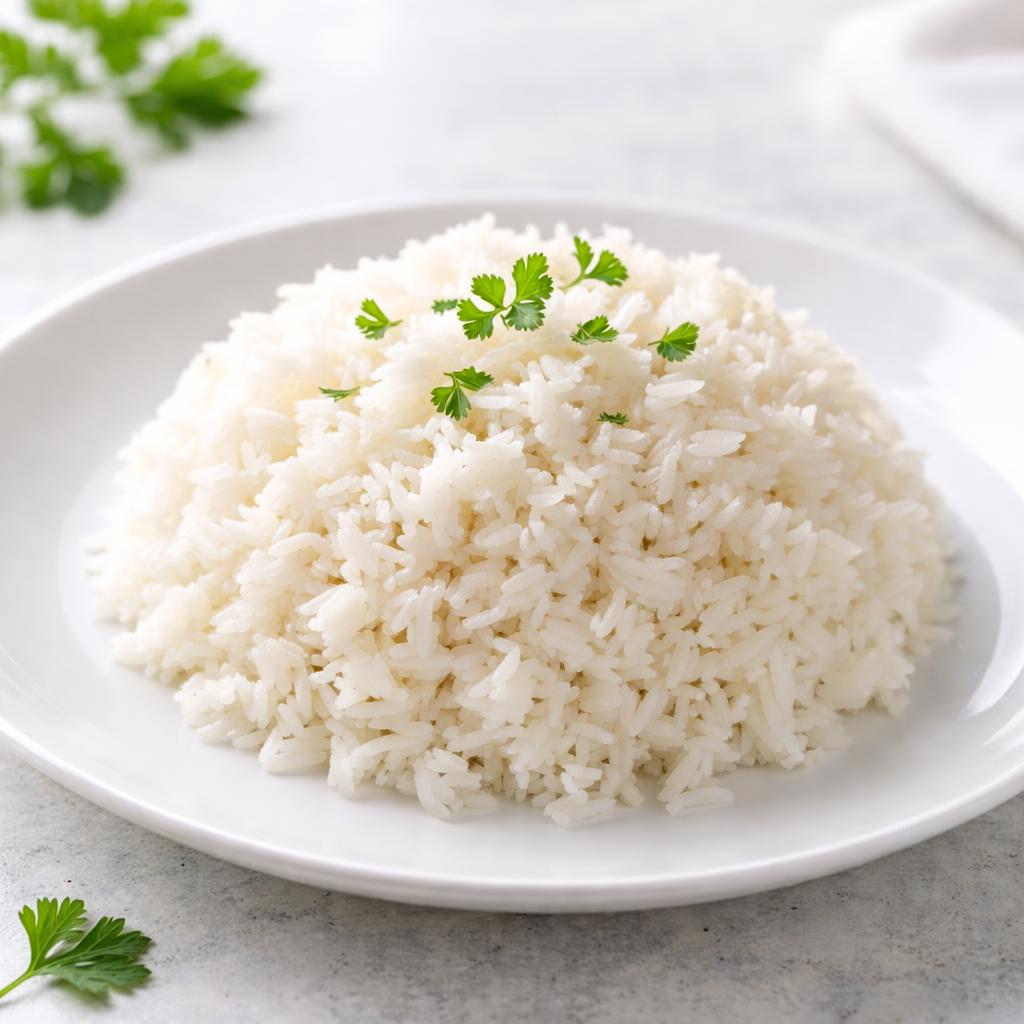
White Rice
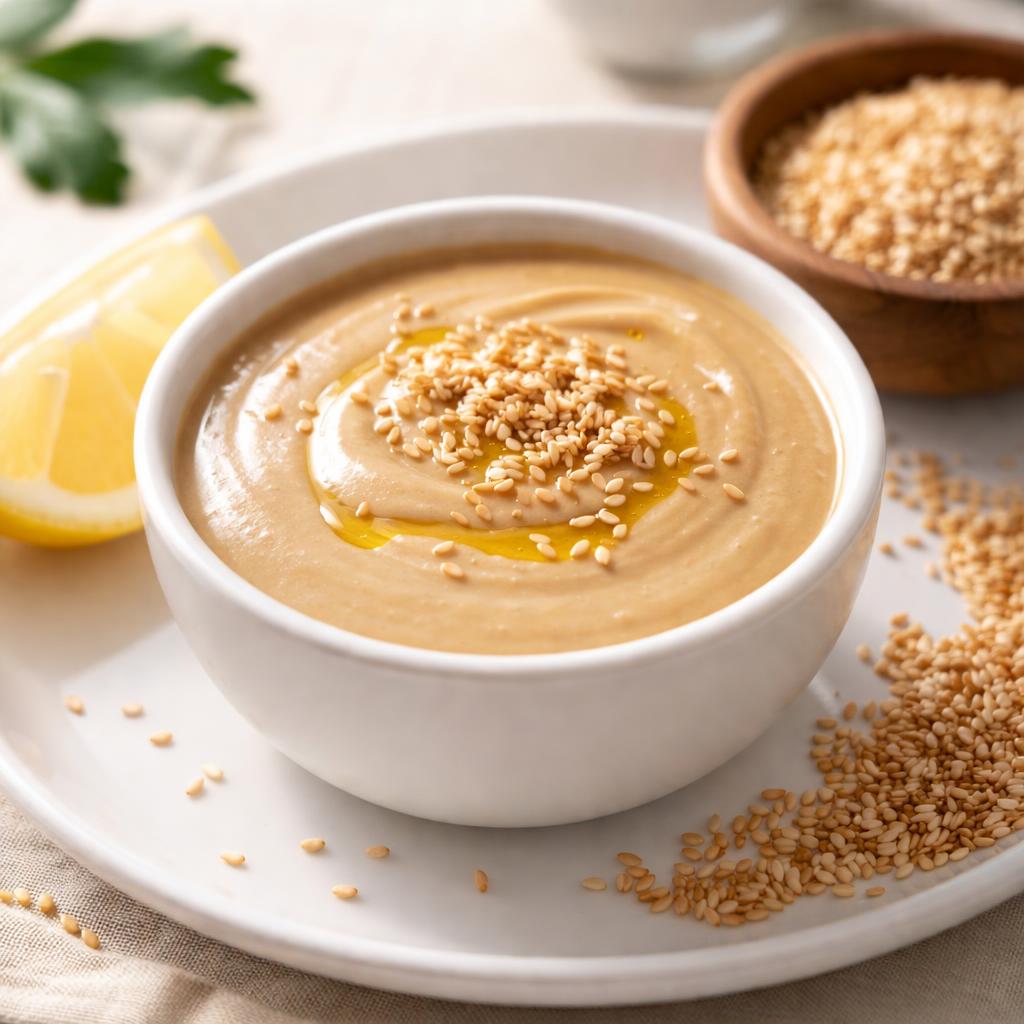
Sesame Sauce
🎯 Quick Verdict
White rice is a high-carb, low-fat food ideal for quick energy, while sesame sauce is nutrient-dense with more protein, fiber, and healthy fats. White rice is best for fueling physical activity, while sesame sauce shines as a source of healthier fats and vitamins when paired with other foods.

Smart Nutrition Tracking with SnapCalorie

📊 Nutritional Comparison
Macronutrients
| Nutrient | Food 1 | Food 2 | Winner |
|---|---|---|---|
| Calories | 130 | 180 | ✓ |
| Protein | 2.7g | 4g | ✓ |
| Carbs | 28g | 5g | ✓ |
| Fat | 0.3g | 16g | ✓ |
| Fiber | 0.4g | 1g | ✓ |
Vitamins & Minerals
| Nutrient | Food 1 | Food 2 | Winner |
|---|---|---|---|
| Vitamin D | 0mcg | 0mcg | − |
| Calcium | 10mg | 100mg | ✓ |
| Iron | 0.2mg | 1.5mg | ✓ |
🏆 Category Winners
Protein
Sesame sauce contains 48% more protein per serving than white rice.
Fiber
Sesame sauce has 150% more fiber than white rice.
Calories
White rice has 28% fewer calories compared to sesame sauce.
🥗 Diet Compatibility
Keto
Food 1: Not Compatible
Food 2: Compatible
White rice is high in carbs, while sesame sauce is low-carb and high-fat.
Vegan
Food 1: Compatible
Food 2: Compatible
Both foods are plant-based and suitable for vegan diets.
Gluten Free
Food 1: Compatible
Food 2: Compatible
Neither white rice nor sesame sauce contains gluten.
Paleo
Food 1: Not Compatible
Food 2: Compatible
White rice is not allowed on paleo diets, but sesame sauce can fit.
Low Carb
Food 1: Not Compatible
Food 2: Compatible
White rice is high-carb, while sesame sauce is low in carbs.
💪 Health Benefits Comparison
Food 1 Benefits
- Provides quick energy due to high carbohydrate content
- Easy to digest, making it suitable for sensitive stomachs
- Low in fat, ideal for low-fat diets
Food 2 Benefits
- Rich in healthy fats that support heart health
- Good source of calcium and iron for bone strength and oxygen transport
- Contains antioxidants from sesame seeds to fight inflammation
✅ The Bottom Line
White rice is best for quick energy, particularly for athletes or as part of a meal where carbs are needed. Sesame sauce, on the other hand, is better for nutrient density, offering healthy fats, vitamins, and minerals, making it ideal for keto or paleo diets as a flavorful addition to meals.
Choose Food 1 for: Quick energy, post-training, low-fat diets
Choose Food 2 for: Heart health, low-carb diets, nutrient-dense side dish or condiment


