White Rice VS Sea Salt
A detailed nutritional comparison
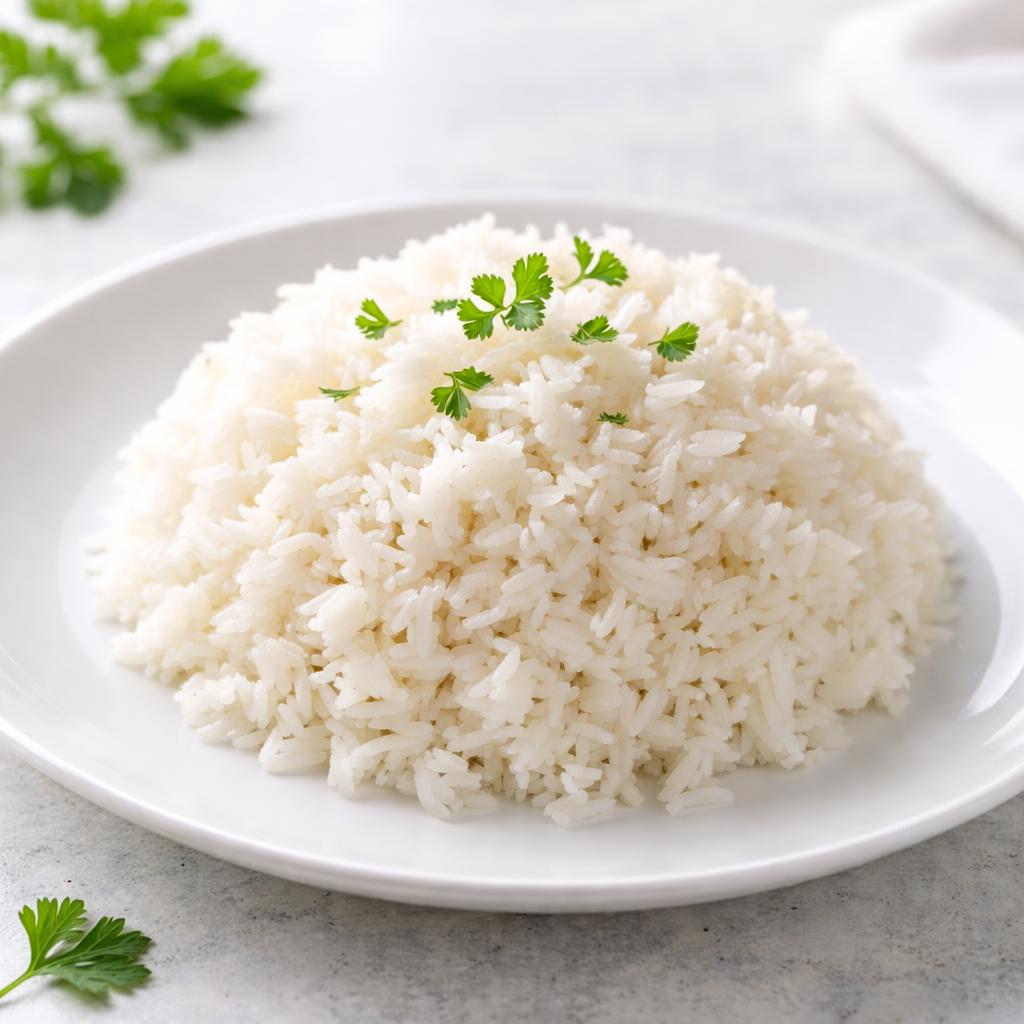
White Rice
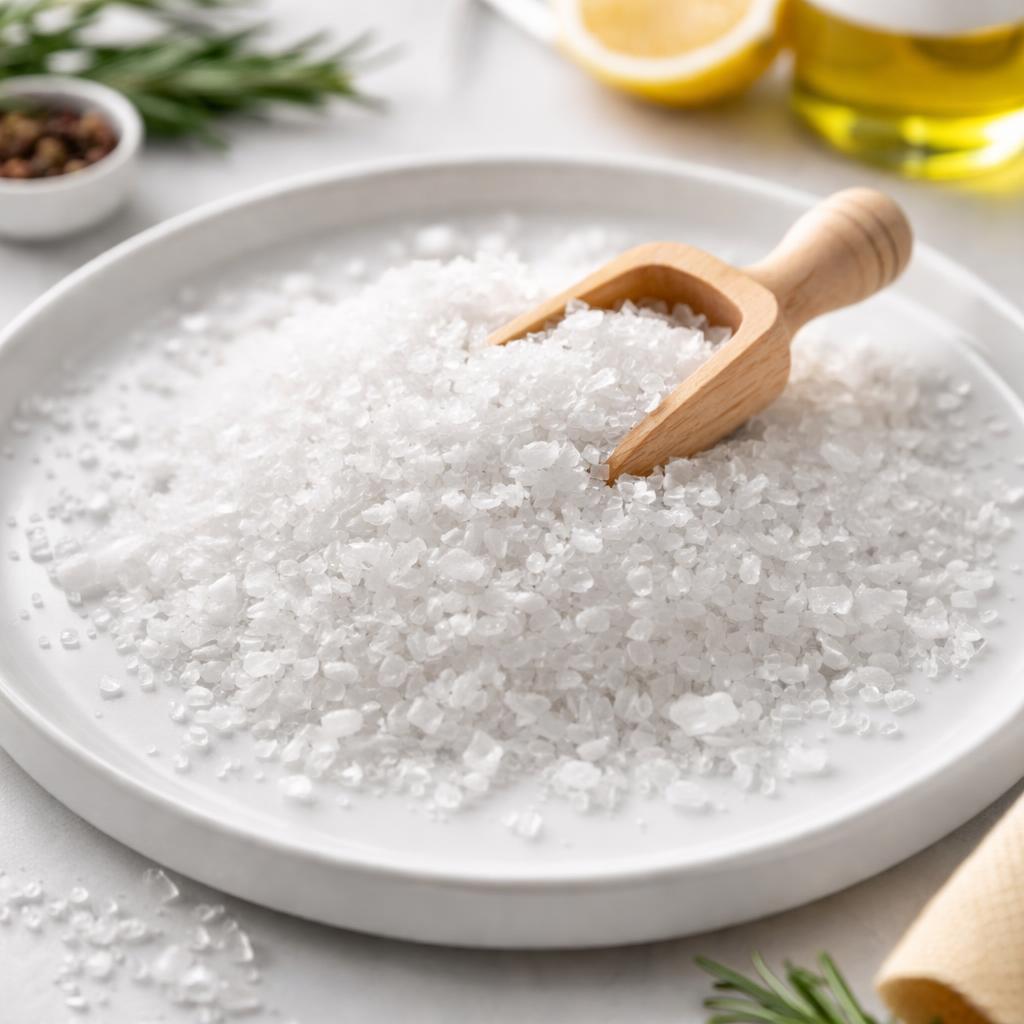
Sea Salt
🎯 Quick Verdict
White rice and sea salt are fundamentally different in nutrition and purpose. White rice is a carbohydrate-rich staple offering energy while sea salt is a mineral-rich seasoning with negligible macronutrient content. White rice is best suited for meals requiring energy, while sea salt enhances flavor without adding significant calories or nutrients other than sodium.

Smart Nutrition Tracking with SnapCalorie

📊 Nutritional Comparison
Macronutrients
| Nutrient | Food 1 | Food 2 | Winner |
|---|---|---|---|
| Calories | 130 (per 100g cooked) | 0 (per 100g) | ✓ |
| Protein | 2.4g | 0g | − |
| Carbs | 28g | 0g | ✓ |
| Fat | 0.3g | 0g | ✓ |
| Fiber | 0.4g | 0g | − |
Vitamins & Minerals
| Nutrient | Food 1 | Food 2 | Winner |
|---|---|---|---|
| Vitamin D | 0mcg | 0mcg | − |
| Calcium | 10mg | 0mg | ✓ |
| Iron | 0.2mg | 0mg | ✓ |
| Sodium | 1mg | 38758mg | ✓ |
🏆 Category Winners
Protein
Neither food is a significant source of protein.
Fiber
Fiber content is negligible in both foods.
Calories
Sea salt contains no calories, making it the winner in calorie comparison.
Vitamins
White rice has small amounts of calcium and iron, while sea salt provides only sodium, making rice slightly superior for diverse mineral content.
🥗 Diet Compatibility
Keto
Food 1: Not Compatible
Food 2: Compatible
White rice is high in carbohydrates, while sea salt contains no carbs.
Vegan
Food 1: Compatible
Food 2: Compatible
Both foods are plant-based and suitable for vegan diets.
Gluten Free
Food 1: Compatible
Food 2: Compatible
Neither food contains gluten and is safe for gluten-free diets.
Paleo
Food 1: Compatible
Food 2: Compatible
White rice and sea salt are both compatible with paleo diets, although white rice may be limited due to preference for unprocessed carbs.
Low Carb
Food 1: Not Compatible
Food 2: Compatible
White rice is high in carbohydrates, making it unsuitable for low-carb diets, whereas sea salt contains no carbs.
💪 Health Benefits Comparison
Food 1 Benefits
- Provides a quick source of energy due to high carbohydrate content
- Low in fat for calorie-conscious diets
- Small amounts of calcium and iron support bone health and oxygen transport
Food 2 Benefits
- Enhances flavor in meals without adding calories
- Rich in sodium to support electrolyte balance when consumed responsibly
- May contain trace minerals like magnesium depending on processing method
✅ The Bottom Line
White rice is great for providing energy in meals, particularly in balanced diets or active lifestyles, while sea salt serves as an essential seasoning with negligible calories. Choose white rice for energy and carbohydrates, and use sea salt sparingly for flavor and sodium balance.
Choose Food 1 for: Fueling physical activity, energy-rich meals, paired with balanced dishes
Choose Food 2 for: Flavor enhancement, electrolyte balance, calorie-free seasoning


