White Rice VS Sangria
A detailed nutritional comparison
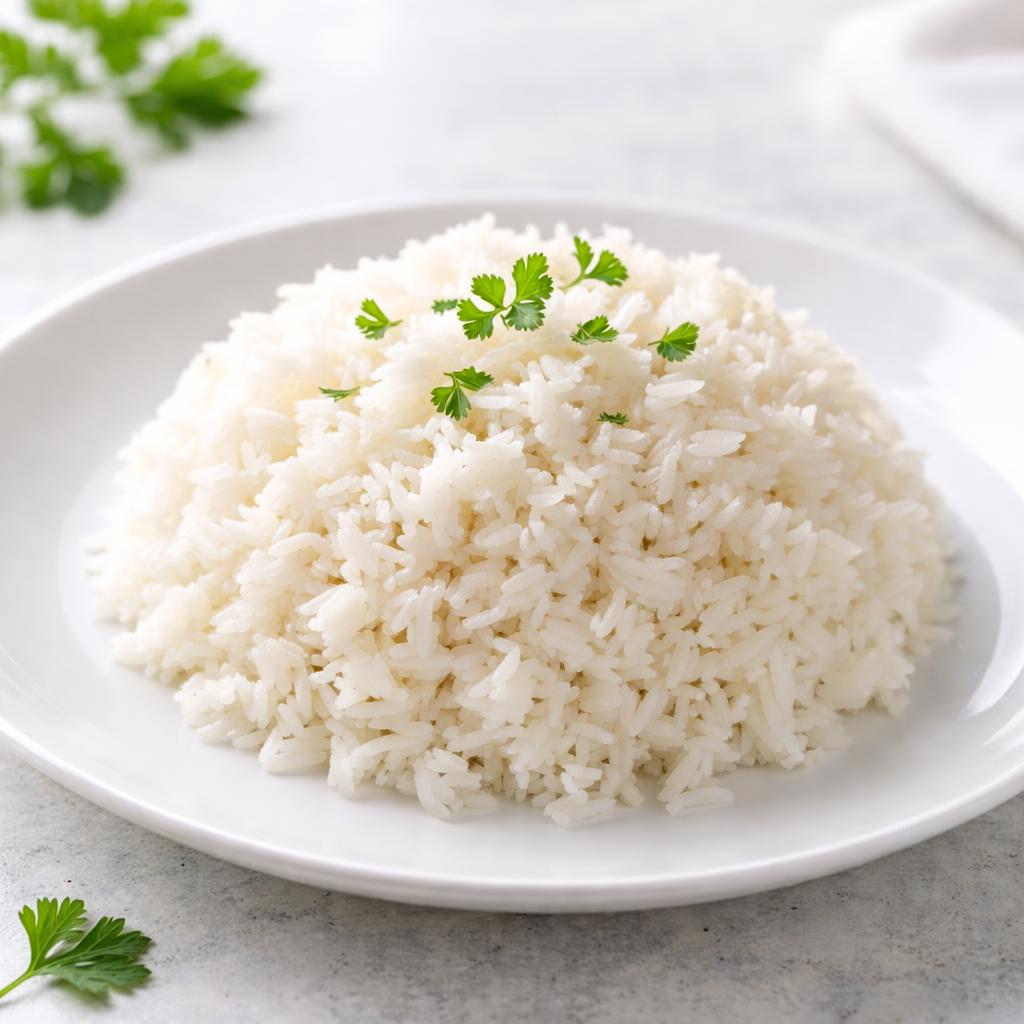
White Rice
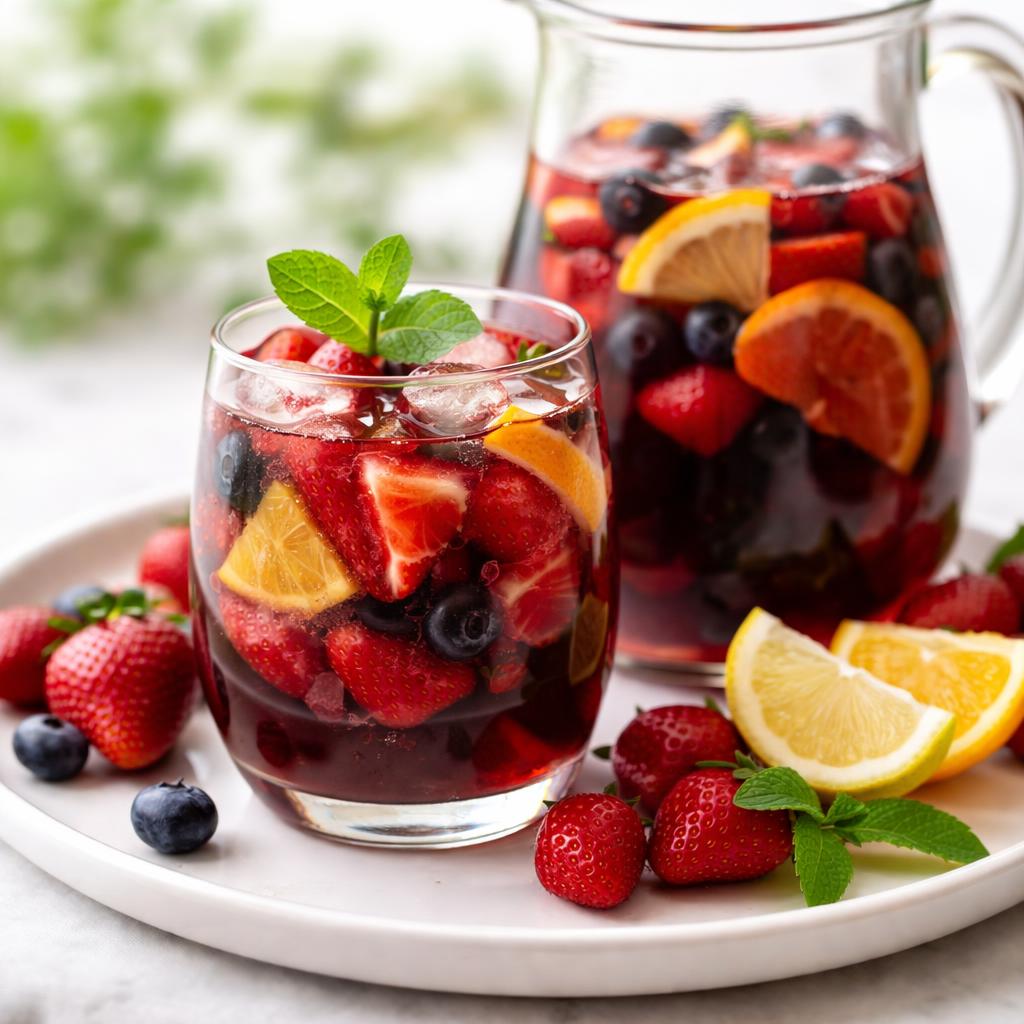
Sangria
🎯 Quick Verdict
White rice and sangria differ greatly in purpose and nutrition. White rice is a calorie-dense, carbohydrate-rich staple with minor protein and negligible fat, whereas sangria is a high-sugar, alcoholic beverage, ideal for occasional indulgence. Opt for white rice as a more nutritious option for sustained energy and satiety, and reserve sangria for social or celebratory settings where enjoyment is the goal.

Smart Nutrition Tracking with SnapCalorie

📊 Nutritional Comparison
Macronutrients
| Nutrient | Food 1 | Food 2 | Winner |
|---|---|---|---|
| Calories | 130 | 160 | ✓ |
| Protein | 2.7g | 0.3g | ✓ |
| Carbs | 28g | 18g | ✓ |
| Fat | 0.3g | 0g | ✓ |
| Fiber | 0.4g | 0.4g | − |
Vitamins & Minerals
| Nutrient | Food 1 | Food 2 | Winner |
|---|---|---|---|
| Vitamin C | 0mg | 10mg | ✓ |
| Vitamin A | 0IU | 80IU | ✓ |
| Iron | 0.2mg | 0.3mg | ✓ |
🏆 Category Winners
Protein
White rice provides 9 times more protein than sangria per serving.
Fiber
Both foods contain 0.4g of fiber per serving.
Calories
White rice has 18.8% fewer calories per serving compared to sangria.
Vitamins
Sangria offers notable amounts of Vitamin C, Vitamin A, and iron compared to negligible levels in white rice.
🥗 Diet Compatibility
Keto
Food 1: Not Compatible
Food 2: Not Compatible
Both foods are high in carbs.
Vegan
Food 1: Compatible
Food 2: Compatible
Neither food contains animal products.
Gluten Free
Food 1: Compatible
Food 2: Compatible
Neither food contains gluten.
Paleo
Food 1: Not Compatible
Food 2: Not Compatible
White rice is a grain, and sangria contains alcohol and sugar, which are excluded on paleo diets.
Low Carb
Food 1: Not Compatible
Food 2: Not Compatible
Both foods are carbohydrate-dense, exceeding typical low-carb allowances.
💪 Health Benefits Comparison
Food 1 Benefits
- Provides quick energy through carbohydrates for active individuals
- Easily digestible and suitable for sensitive stomachs
- Low-fat option for calorie-controlled diets
Food 2 Benefits
- Rich in antioxidants from fruit ingredients
- Contains Vitamin C which supports immunity
- May offer social benefits through relaxation in moderate consumption
✅ The Bottom Line
White rice is a practical choice for energy and satiety, suitable for meals involving active lifestyles or traditional cuisines. Sangria, while less nutritious, can occasionally complement social gatherings or celebrations. Moderation is key, especially for sangria due to its sugar and alcohol content.
Choose Food 1 for: Quick energy, calorie-controlled diets, meal accompaniments
Choose Food 2 for: Celebratory occasions, social relaxation, mild antioxidant benefits


