White Rice VS Roast Turkey
A detailed nutritional comparison
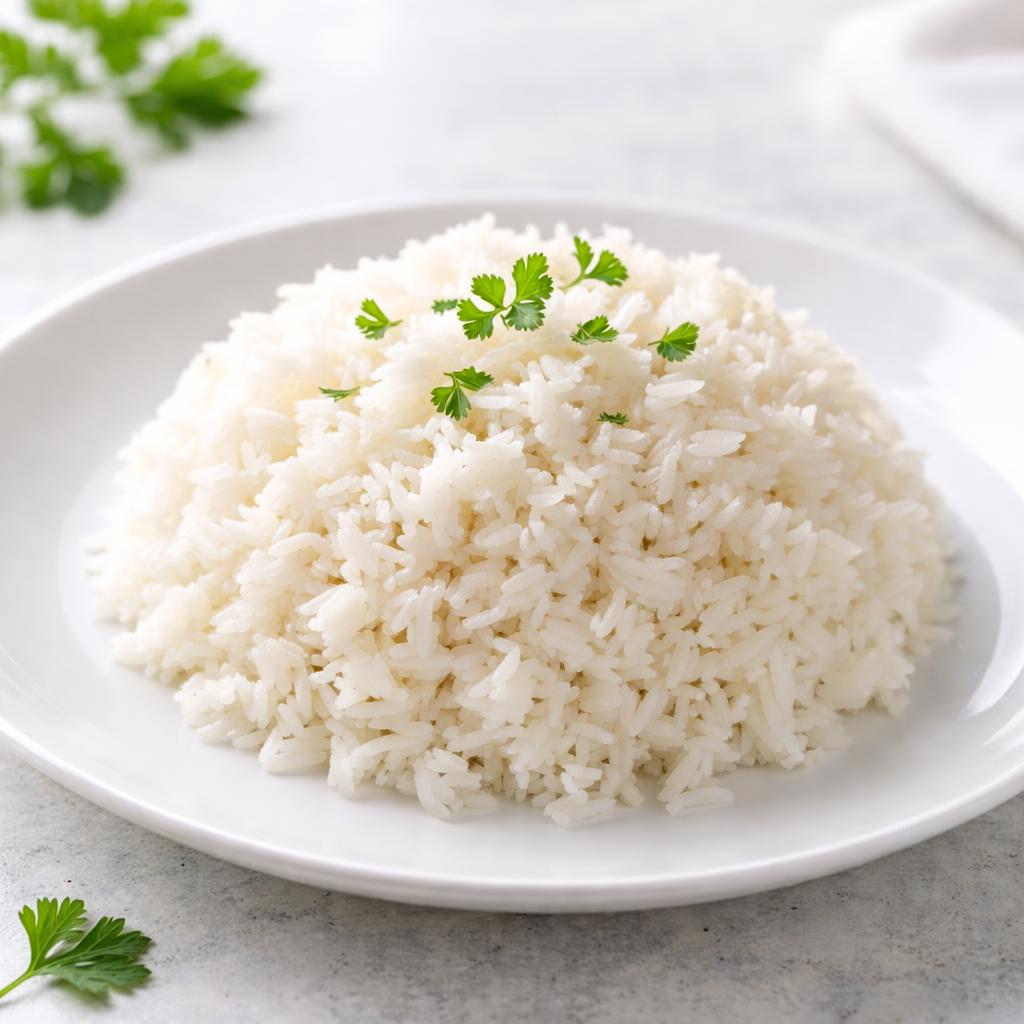
White Rice
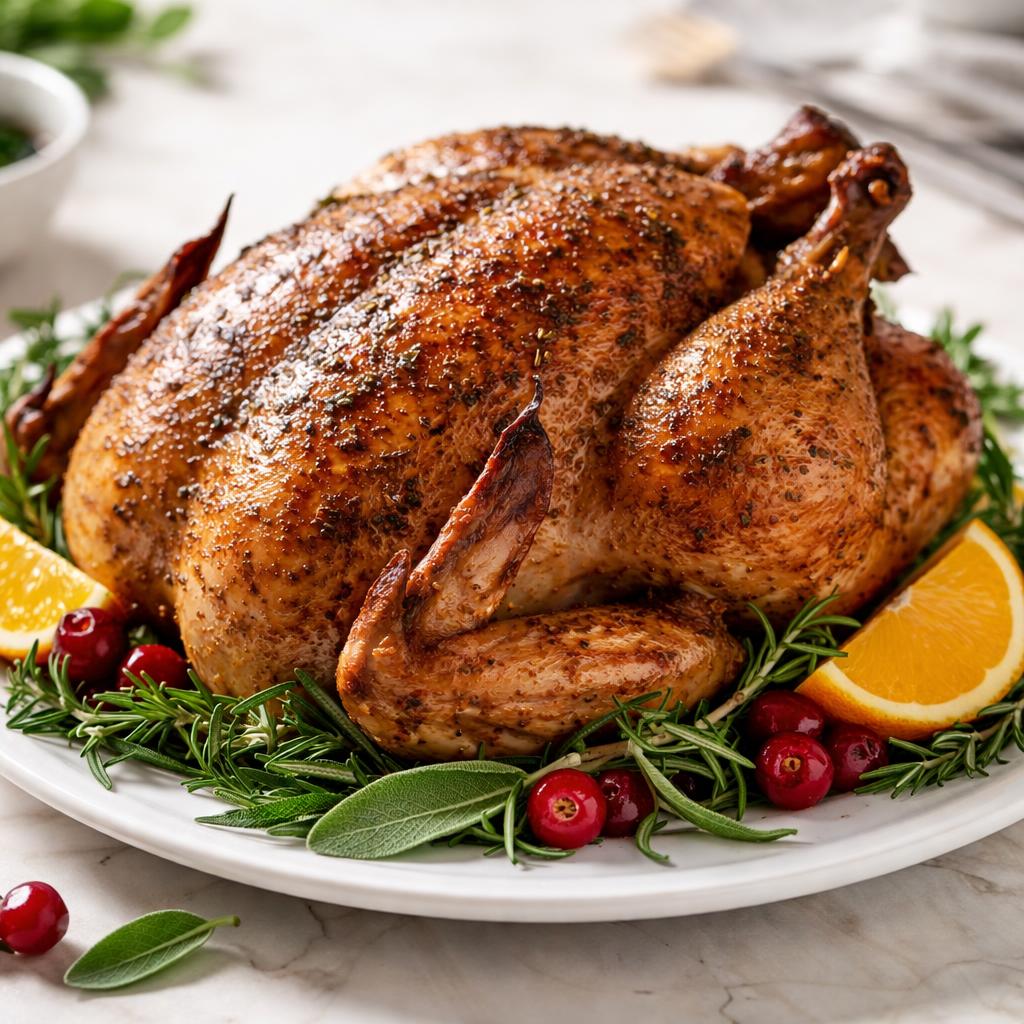
Roast Turkey
🎯 Quick Verdict
Roast turkey is significantly higher in protein and lower in calories compared to white rice, making it an excellent choice for muscle-building and weight management. White rice, while lower in most vitamins, provides quick energy with its higher carbohydrate content, suitable for athletes or those needing a readily available energy source.

Smart Nutrition Tracking with SnapCalorie

📊 Nutritional Comparison
Macronutrients
| Nutrient | Food 1 | Food 2 | Winner |
|---|---|---|---|
| Calories | 130 (per 100g) | 120 (per 100g) | ✓ |
| Protein | 2.7g | 28g | ✓ |
| Carbs | 28.7g | 0g | ✓ |
| Fat | 0.3g | 3g | ✓ |
| Fiber | 0.4g | 0g | − |
Vitamins & Minerals
| Nutrient | Food 1 | Food 2 | Winner |
|---|---|---|---|
| Vitamin D | 0mcg | 1.4mcg | ✓ |
| Calcium | 10mg | 13mg | ✓ |
| Iron | 0.2mg | 1.1mg | ✓ |
🏆 Category Winners
Protein
Roast turkey has over 10 times the protein content of white rice per 100g.
Fiber
Both foods are negligible sources of fiber.
Calories
Roast turkey is slightly lower in calories compared to white rice.
Vitamins
Roast turkey provides more micronutrients including Vitamin D, Iron, and Calcium.
🥗 Diet Compatibility
Keto
Food 1: Not Compatible
Food 2: Compatible
White rice is high in carbs, while roast turkey is low-carb.
Vegan
Food 1: Compatible
Food 2: Not Compatible
White rice is plant-based, roast turkey is animal-based.
Gluten Free
Food 1: Compatible
Food 2: Compatible
Neither food contains gluten.
Paleo
Food 1: Not Compatible
Food 2: Compatible
White rice is processed, roast turkey meets paleo guidelines.
Low-Carb
Food 1: Not Compatible
Food 2: Compatible
White rice contains over 28g of carbs per 100g, while roast turkey contains none.
💪 Health Benefits Comparison
Food 1 Benefits
- Quick source of energy from carbohydrates
- Low-fat option for calorie-conscious diets
- Easily digestible, suitable for sensitive stomachs
Food 2 Benefits
- Excellent source of lean protein for muscle repair and maintenance
- Contains Vitamin B6 for brain health
- Supports immune health with micronutrients like zinc and selenium
- Low-carb and low-calorie, suitable for weight management
✅ The Bottom Line
Choose roast turkey if you're seeking a high-protein, low-calorie food that supports weight management and muscle repair. Opt for white rice if you need quick energy for physical activity or prefer a vegan and gluten-free carb source.
Choose Food 1 for: Quick energy, carb-loading for athletes, vegan diets
Choose Food 2 for: Muscle-building, weight loss, low-carb and keto diets


