White Rice VS Riz
A detailed nutritional comparison
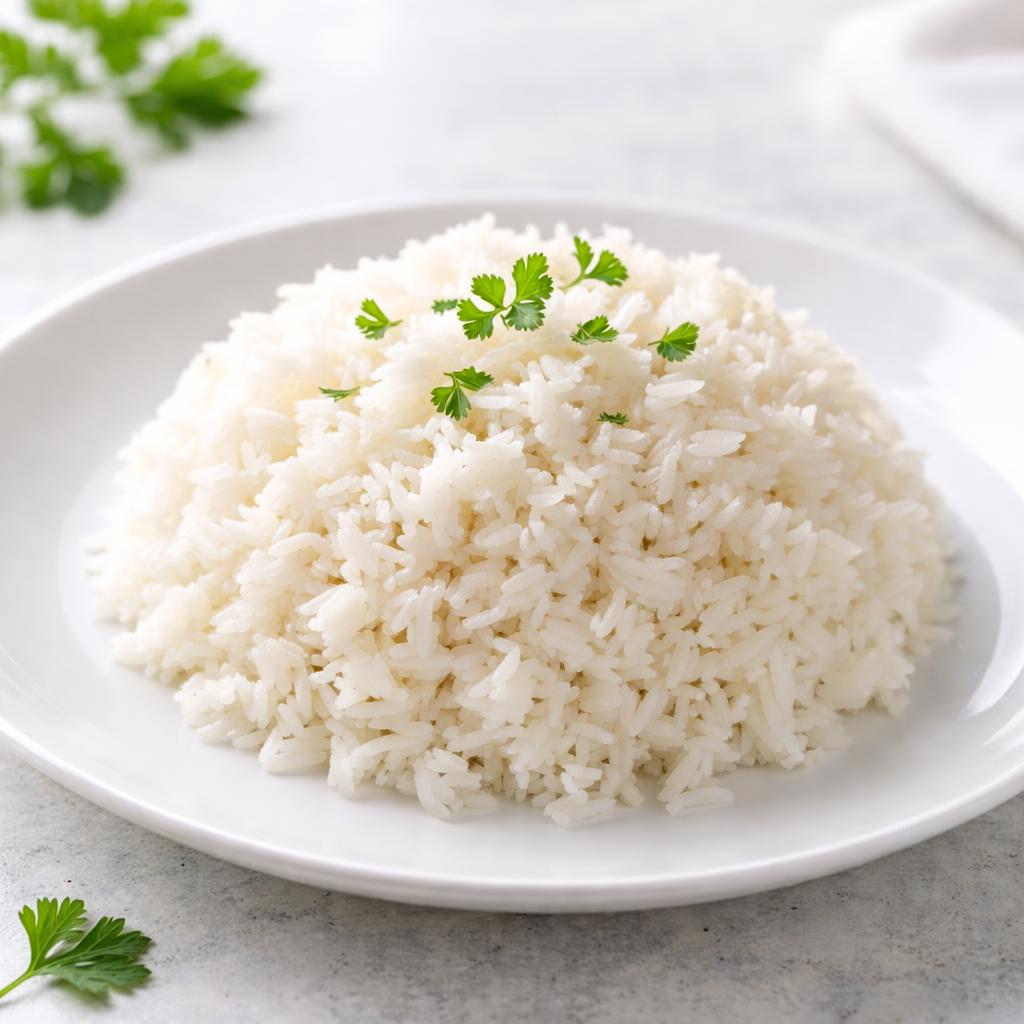
White Rice
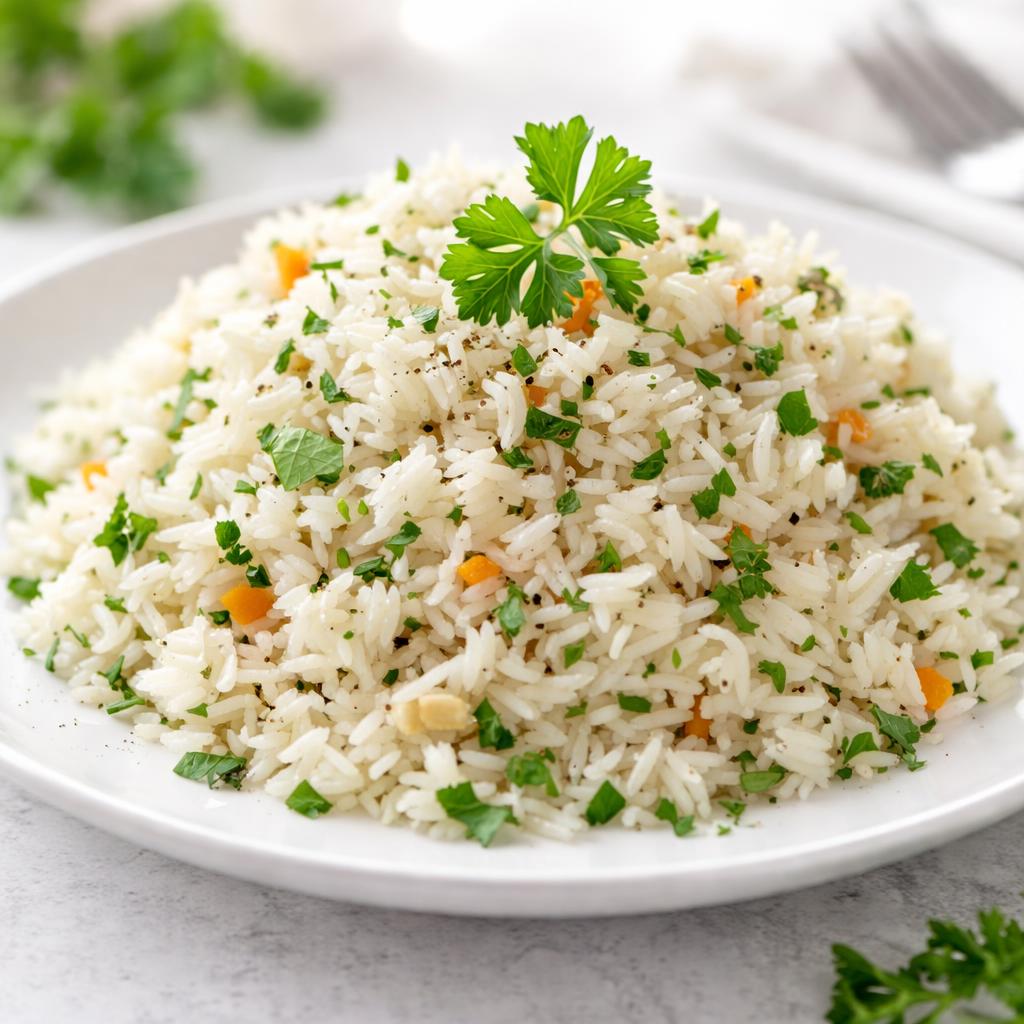
Riz
🎯 Quick Verdict
White rice and riz have similar overall nutritional profiles but differ in specific aspects. Riz contains slightly more protein and fiber, making it a better choice for satiety and digestion, while white rice is lower in calories and carbs, suitable for low-calorie or light meals. Both are vegan, gluten-free, and widely versatile staples in many diets.

Smart Nutrition Tracking with SnapCalorie

📊 Nutritional Comparison
Macronutrients
| Nutrient | Food 1 | Food 2 | Winner |
|---|---|---|---|
| Calories | 130 | 150 | ✓ |
| Protein | 2.9g | 3.5g | ✓ |
| Carbs | 28g | 32g | ✓ |
| Fat | 0.28g | 0.4g | ✓ |
| Fiber | 0.4g | 1g | ✓ |
Vitamins & Minerals
| Nutrient | Food 1 | Food 2 | Winner |
|---|---|---|---|
| Vitamin D | 0mcg | 0mcg | − |
| Calcium | 10mg | 9mg | ✓ |
| Iron | 0.2mg | 0.22mg | ✓ |
🏆 Category Winners
Protein
Riz has approximately 20% higher protein content than white rice.
Fiber
Riz contains 150% more fiber, which aids digestion and improves satiety.
Calories
White rice is about 13% lower in calories per serving than riz.
🥗 Diet Compatibility
Keto
Food 1: Not Compatible
Food 2: Not Compatible
Both are high in carbs and unsuitable for keto diets.
Vegan
Food 1: Compatible
Food 2: Compatible
Both foods are plant-based and vegan-friendly.
Gluten Free
Food 1: Compatible
Food 2: Compatible
Neither food contains gluten.
Paleo
Food 1: Not Compatible
Food 2: Not Compatible
White rice and riz are not considered paleo-friendly due to their processing.
Low Carb
Food 1: Not Compatible
Food 2: Not Compatible
Both foods are relatively high in carbohydrates.
💪 Health Benefits Comparison
Food 1 Benefits
- Quick source of energy due to high carbohydrate content.
- Low in fat, suitable for low-fat diets.
- Very versatile, easy to pair with other nutrient-dense foods.
Food 2 Benefits
- Higher protein aids muscle repair and satiety.
- Contains more fiber, supporting digestion and gut health.
- Rich in minerals like iron for oxygen transport in the body.
✅ The Bottom Line
Choose white rice for lower-calorie, lighter meals or when paired with nutrient-dense additions like vegetables or lean proteins. Opt for riz for slightly more protein and fiber, which may help with fullness and digestion. Both are versatile for general diets but may not align with low-carb or paleo requirements.
Choose Food 1 for: Low-calorie meals, quick energy, versatility in dishes.
Choose Food 2 for: Higher protein snacks, digestion-supporting meals, balanced nutrition.


