White Rice VS Risotto
A detailed nutritional comparison
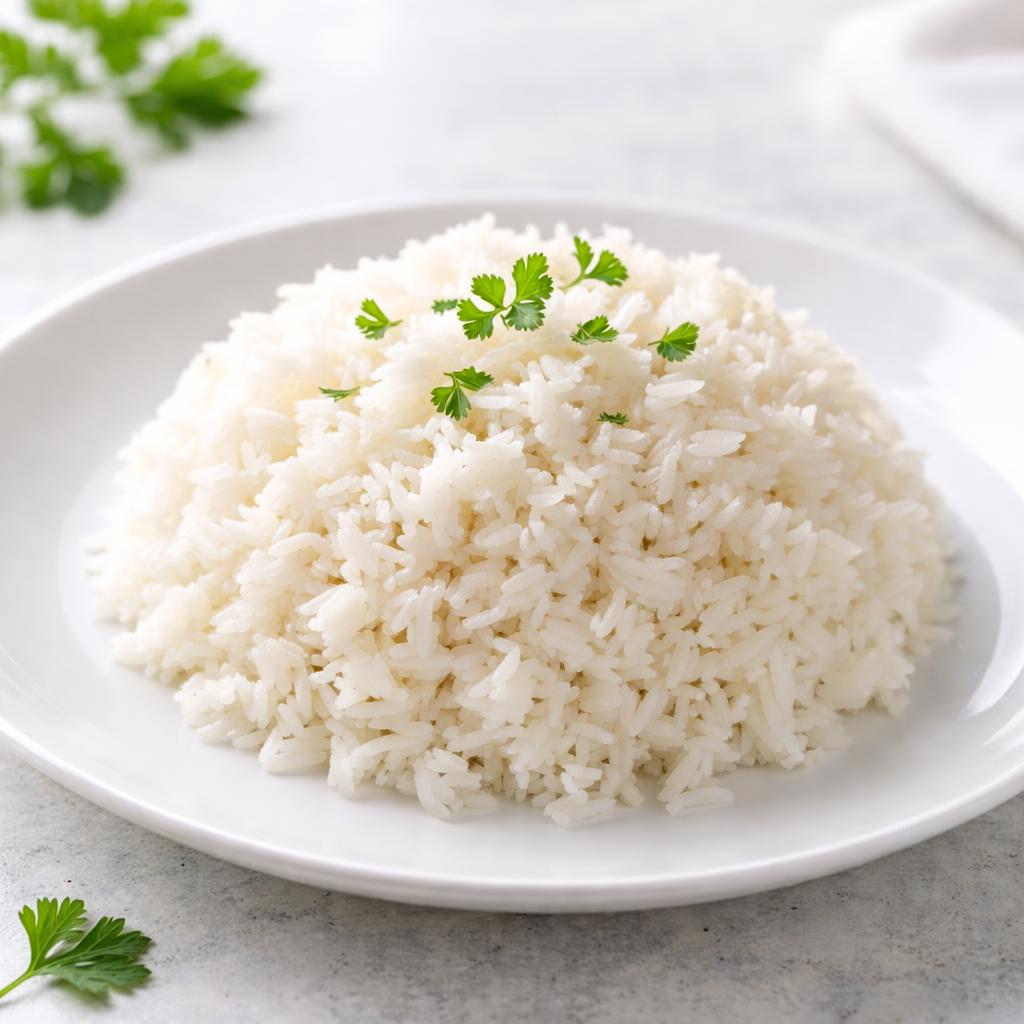
White Rice
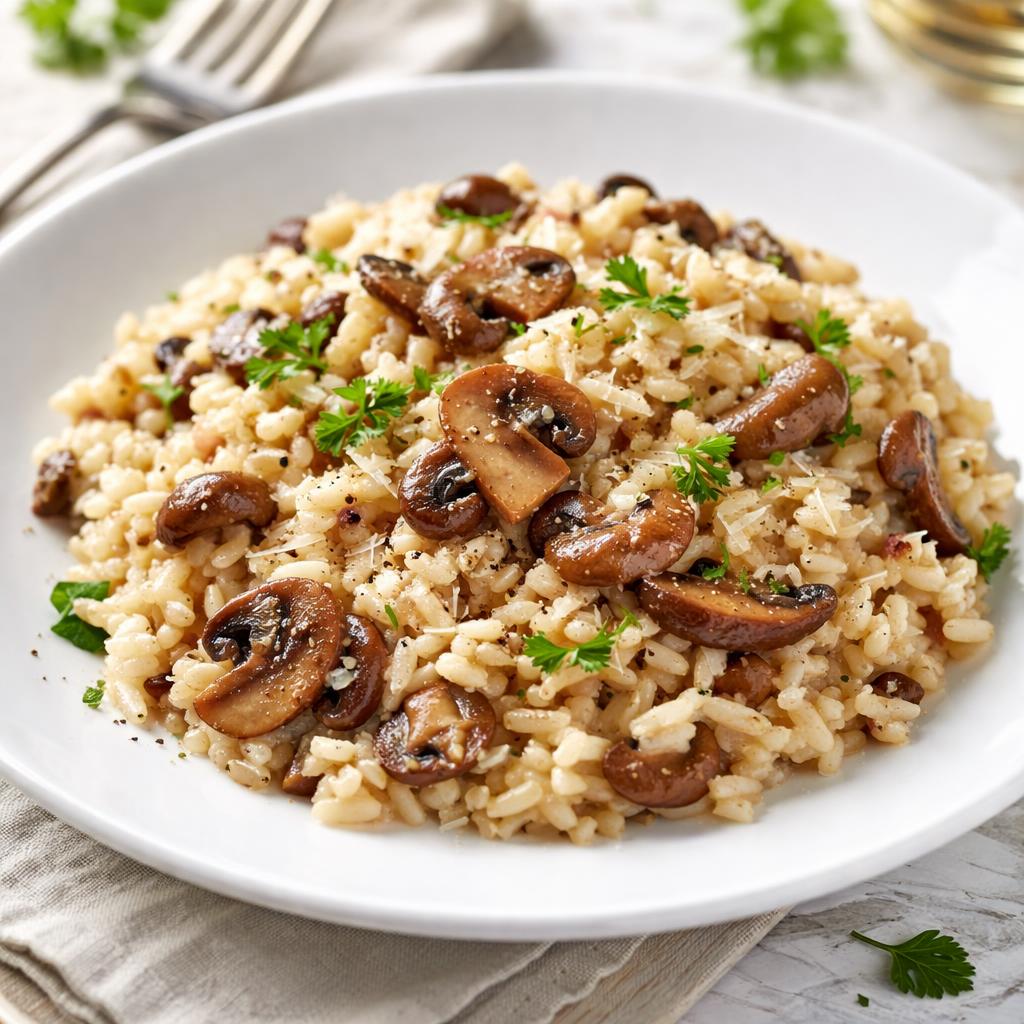
Risotto
🎯 Quick Verdict
White rice is simpler and lower in calories but lacks robust nutritional variety, while risotto provides more protein, fiber, and essential nutrients through additional ingredients like broth, cheese, or vegetables. White rice is better for calorie control and straightforward meals, while risotto is ideal for nutrient-rich, hearty recipes.

Smart Nutrition Tracking with SnapCalorie

📊 Nutritional Comparison
Macronutrients
| Nutrient | Food 1 | Food 2 | Winner |
|---|---|---|---|
| Calories | 130 | 180 | ✓ |
| Protein | 2.7g | 5g | ✓ |
| Carbs | 28g | 26g | ✓ |
| Fat | 0.3g | 6g | ✓ |
| Fiber | 0.4g | 1g | ✓ |
Vitamins & Minerals
| Nutrient | Food 1 | Food 2 | Winner |
|---|---|---|---|
| Vitamin D | 0mcg | 0.1mcg | ✓ |
| Calcium | 10mg | 60mg | ✓ |
| Iron | 1mg | 0.8mg | ✓ |
🏆 Category Winners
Protein
Risotto has nearly double the protein due to added ingredients like cheese and broth.
Fiber
Risotto contains 150% more fiber, contributing to a balanced meal.
Calories
White rice has 28% fewer calories per serving.
Vitamins
Risotto has more calcium and vitamin D due to enriched ingredients, while white rice offers slightly more iron.
🥗 Diet Compatibility
Keto
Food 1: Not Compatible
Food 2: Not Compatible
Both are high in carbs and unsuitable for keto diets.
Vegan
Food 1: Compatible
Food 2: Depends on ingredients
White rice is vegan, while risotto can sometimes include dairy or meat-based broth.
Gluten Free
Food 1: Compatible
Food 2: Depends on ingredients
White rice is naturally gluten-free; risotto may contain gluten from broth or added seasonings.
Paleo
Food 1: Compatible
Food 2: Depends on ingredients
Plain white rice is generally avoided in paleo diets, while risotto depends heavily on its preparation.
Low-Carb
Food 1: Not Compatible
Food 2: Not Compatible
Both are high-carb foods, unsuitable for low-carb diets.
💪 Health Benefits Comparison
Food 1 Benefits
- Low in fat and calories, good for calorie control
- Provides quick energy from simple carbs
- Easily digestible for sensitive stomachs
Food 2 Benefits
- Higher in protein, supporting muscle growth
- Contains moderate fiber for better digestion
- Offers more vitamins and minerals depending on added ingredients
✅ The Bottom Line
Choose white rice for simplicity, calorie control, or light meals. Select risotto for a more nutrient-rich and satisfying dish that provides better protein and fiber content, especially if you're looking for a balanced, hearty recipe.
Choose Food 1 for: Calorie control, easy digestion, quick carb needs
Choose Food 2 for: Satisfying meals, nutrient density, protein-rich diets


