White Rice VS Rice Vinegar
A detailed nutritional comparison
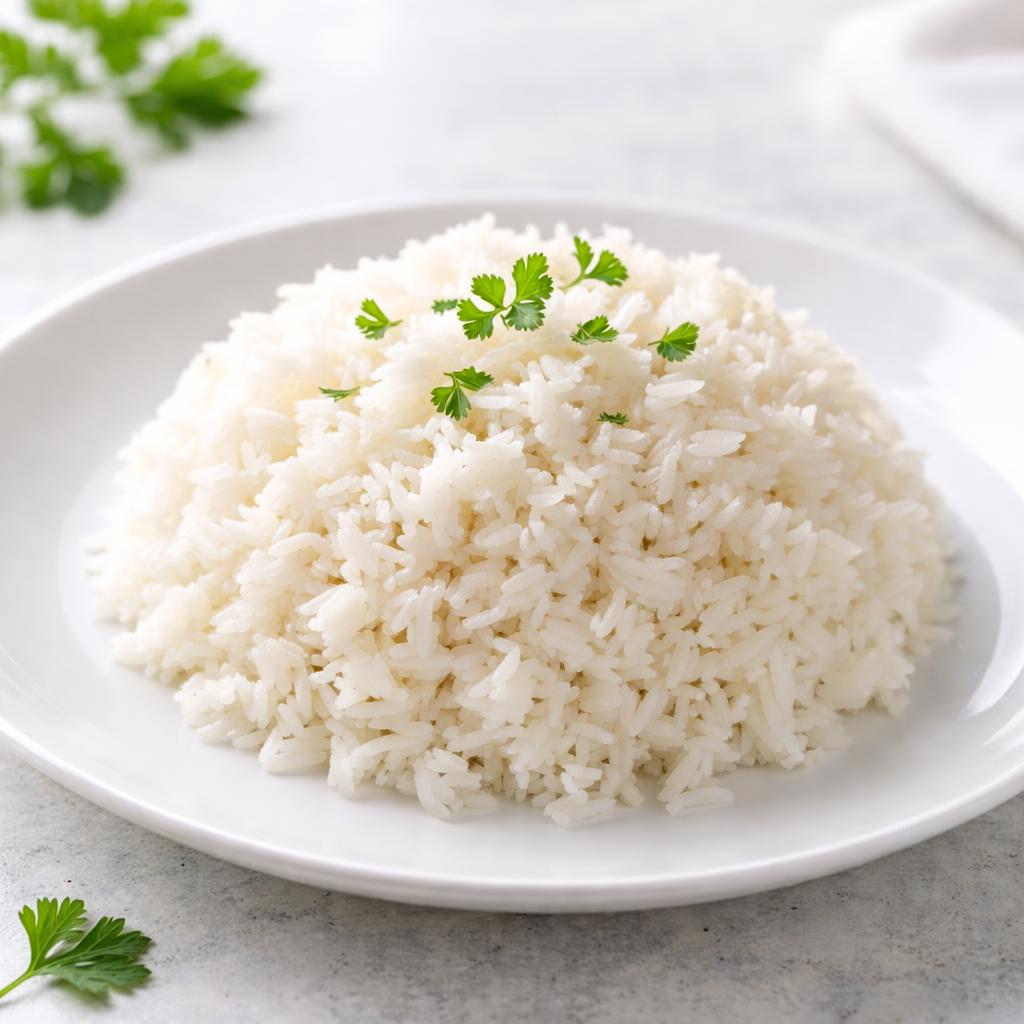
White Rice
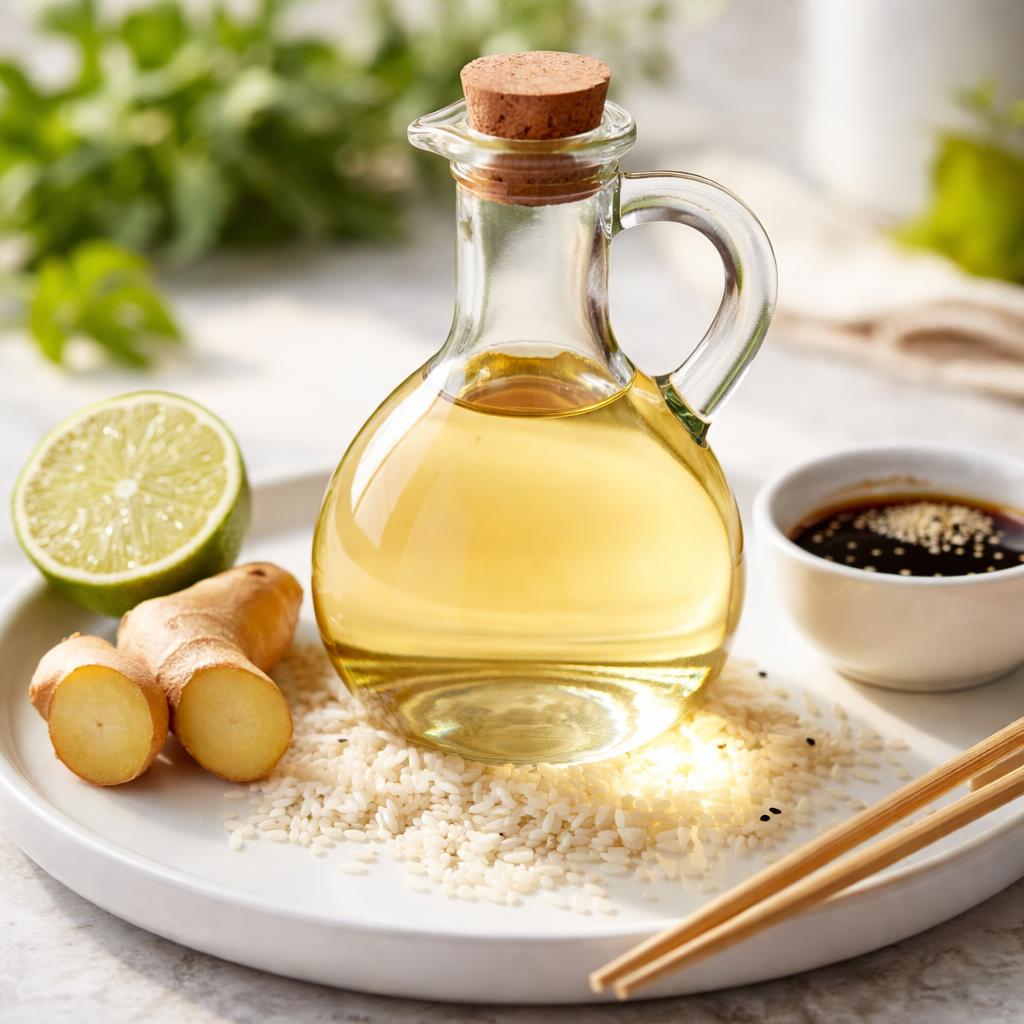
Rice Vinegar
🎯 Quick Verdict
White rice is a carbohydrate-rich staple that provides energy and is highly versatile in different cuisines, but lacks many micronutrients. Rice vinegar is incredibly low in calories and offers trace minerals and antioxidants, making it a great flavoring agent but not a significant source of nutrients. Both are useful but serve very different purposes in a diet.

Smart Nutrition Tracking with SnapCalorie

📊 Nutritional Comparison
Macronutrients
| Nutrient | Food 1 | Food 2 | Winner |
|---|---|---|---|
| Calories | 205 | 15 | ✓ |
| Protein | 4.3g | 0g | − |
| Carbs | 44.5g | 1g | ✓ |
| Fat | 0.4g | 0g | ✓ |
| Fiber | 0.6g | 0g | ✓ |
Vitamins & Minerals
| Nutrient | Food 1 | Food 2 | Winner |
|---|---|---|---|
| Vitamin C | 0mg | 3mg | ✓ |
| Calcium | 10mg | 5mg | ✓ |
| Iron | 0.2mg | 0mg | ✓ |
🏆 Category Winners
Protein
Neither food is a significant source of protein.
Fiber
White rice has 0.6g of fiber compared to rice vinegar's 0g.
Calories
Rice vinegar has only 15 calories compared to 205 in white rice.
Vitamins
Rice vinegar contains vitamin C, which is absent in white rice.
🥗 Diet Compatibility
Keto
Food 1: Not Compatible
Food 2: Compatible
Rice vinegar is very low in carbs (1g per serving), whereas white rice is high in carbs.
Vegan
Food 1: Compatible
Food 2: Compatible
Both are plant-based and suitable for vegan diets.
Gluten Free
Food 1: Compatible
Food 2: Compatible
Neither contains gluten naturally.
Paleo
Food 1: Not Compatible
Food 2: Compatible
White rice is not considered paleo, but rice vinegar aligns with paleo principles.
Low Carb
Food 1: Not Compatible
Food 2: Compatible
White rice is high-carb, while rice vinegar is virtually carb-free.
💪 Health Benefits Comparison
Food 1 Benefits
- Provides quick energy due to high carbohydrate content
- Low in fat, suitable for low-fat diets
- Non-irritating and easy to digest for sensitive stomachs
Food 2 Benefits
- Low calorie addition to meals for weight management
- Contains antioxidants that may support overall health
- May assist in blood sugar regulation when paired with meals
✅ The Bottom Line
White rice is best when you need a calorie-dense carbohydrate side dish, especially in high-energy diets. Rice vinegar, on the other hand, is a low-calorie, flavor-enhancing ingredient that can add tangy depth to meals without impacting macronutrients significantly.
Choose Food 1 for: Energy boost, carbohydrate-rich meals, easy digestion
Choose Food 2 for: Low-calorie diets, flavor enhancement, keto or low-carb diets


