White Rice VS Rice Soup
A detailed nutritional comparison
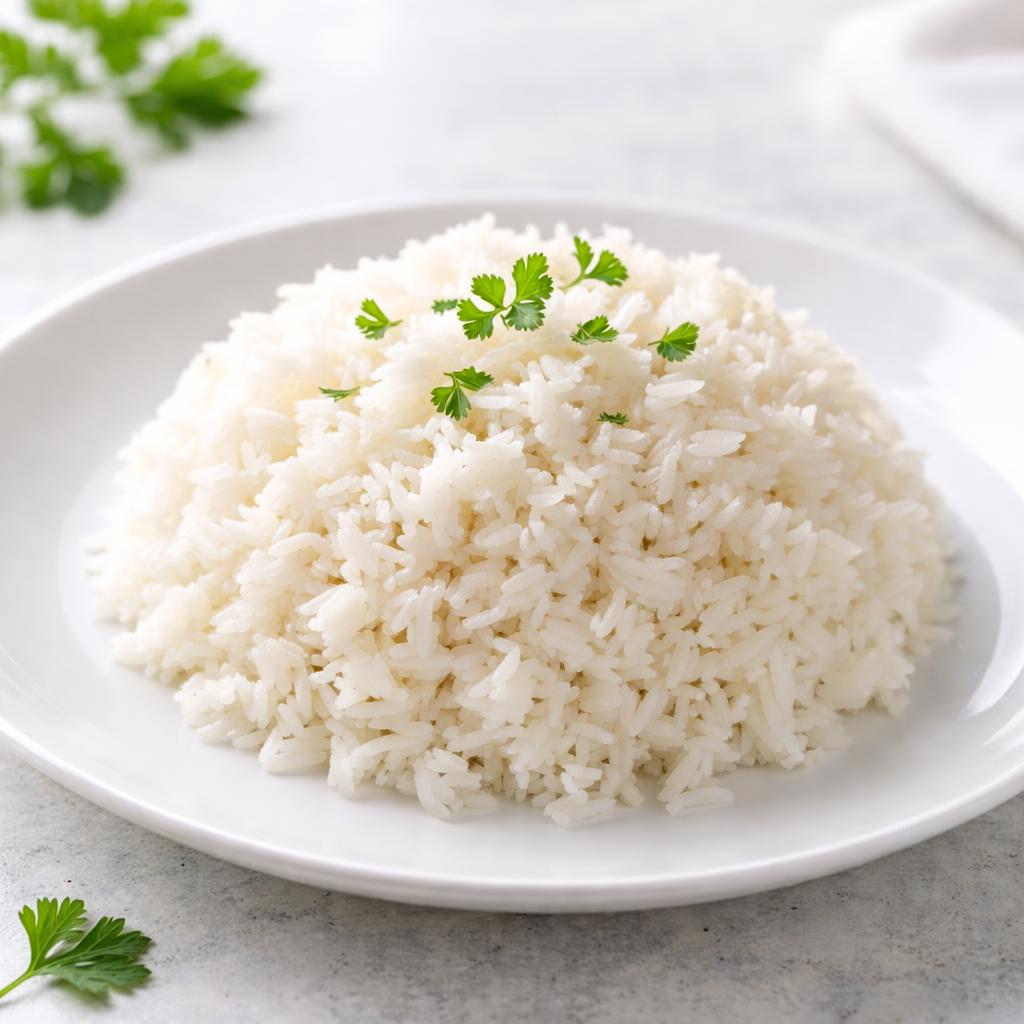
White Rice
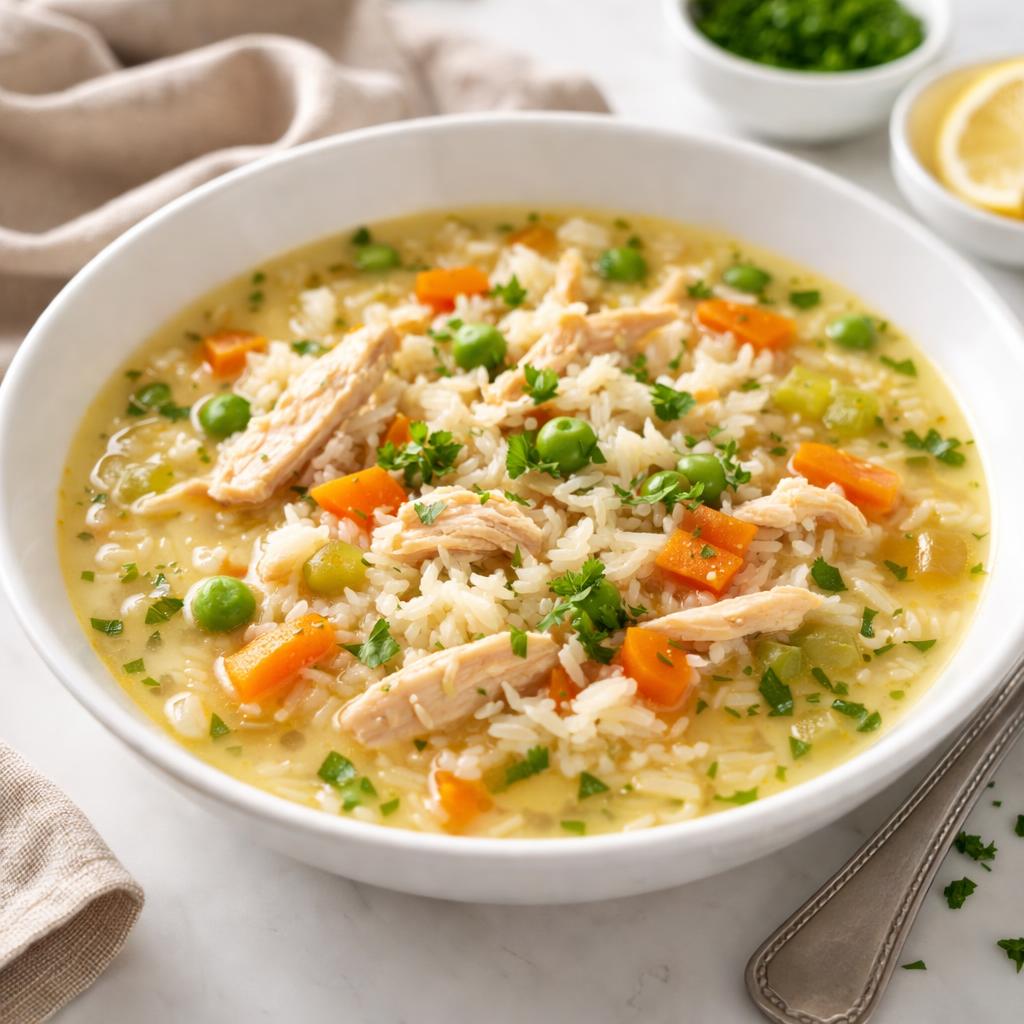
Rice Soup
🎯 Quick Verdict
White rice is higher in protein and calories, making it suitable for energy-intensive activities or post-workout nutrition. Rice soup is lower in calories, provides more fiber, and is more hydrating, making it ideal for light meals or weight-management diets. Choose based on your dietary needs and context.

Smart Nutrition Tracking with SnapCalorie

📊 Nutritional Comparison
Macronutrients
| Nutrient | Food 1 | Food 2 | Winner |
|---|---|---|---|
| Calories | 205 | 70 | ✓ |
| Protein | 4.3g | 1.5g | ✓ |
| Carbs | 45g | 13g | ✓ |
| Fat | 0.4g | 0.2g | ✓ |
| Fiber | 0.6g | 1g | ✓ |
Vitamins & Minerals
| Nutrient | Food 1 | Food 2 | Winner |
|---|---|---|---|
| Vitamin C | 0mg | 2mg | ✓ |
| Potassium | 55mg | 80mg | ✓ |
| Iron | 0.7mg | 0.3mg | ✓ |
🏆 Category Winners
Protein
White rice contains almost 3 times the protein content compared to rice soup.
Fiber
Rice soup has 67% more fiber, aiding in digestion.
Calories
Rice soup has 66% fewer calories, making it more suitable for weight-loss diets.
Vitamins
Rice soup delivers slightly more vitamins like Vitamin C and potassium.
🥗 Diet Compatibility
Keto
Food 1: Not Compatible
Food 2: Not Compatible
Both are high-carb foods, exceeding keto guidelines.
Vegan
Food 1: Compatible
Food 2: Compatible
Both foods are plant-based.
Gluten Free
Food 1: Compatible
Food 2: Compatible
Rice and rice soup are naturally gluten-free.
Paleo
Food 1: Compatible
Food 2: Compatible
Rice in its basic form is often accepted in modern paleo diets.
Low-Carb
Food 1: Not Compatible
Food 2: Not Compatible
Neither food is low-carb due to their high carbohydrate content.
💪 Health Benefits Comparison
Food 1 Benefits
- Good source of energy for physical activities
- Provides small amounts of protein for muscle repair
- Easily digestible, suitable for sensitive stomachs
Food 2 Benefits
- Low-calorie food ideal for weight management
- High water content helps with hydration
- Contains more fiber and vitamins for digestion and nutrient support
✅ The Bottom Line
For active individuals or post-workout meals, white rice provides more energy and protein. Rice soup, however, is an excellent option for weight loss, hydration, or a light, nutrient-rich meal. Decide based on your immediate nutritional goals.
Choose Food 1 for: Post-workout nutrition, energy boosts, easily digestible meals
Choose Food 2 for: Light meals, weight management, hydration


