White Rice VS Red Cabbage Salad
A detailed nutritional comparison
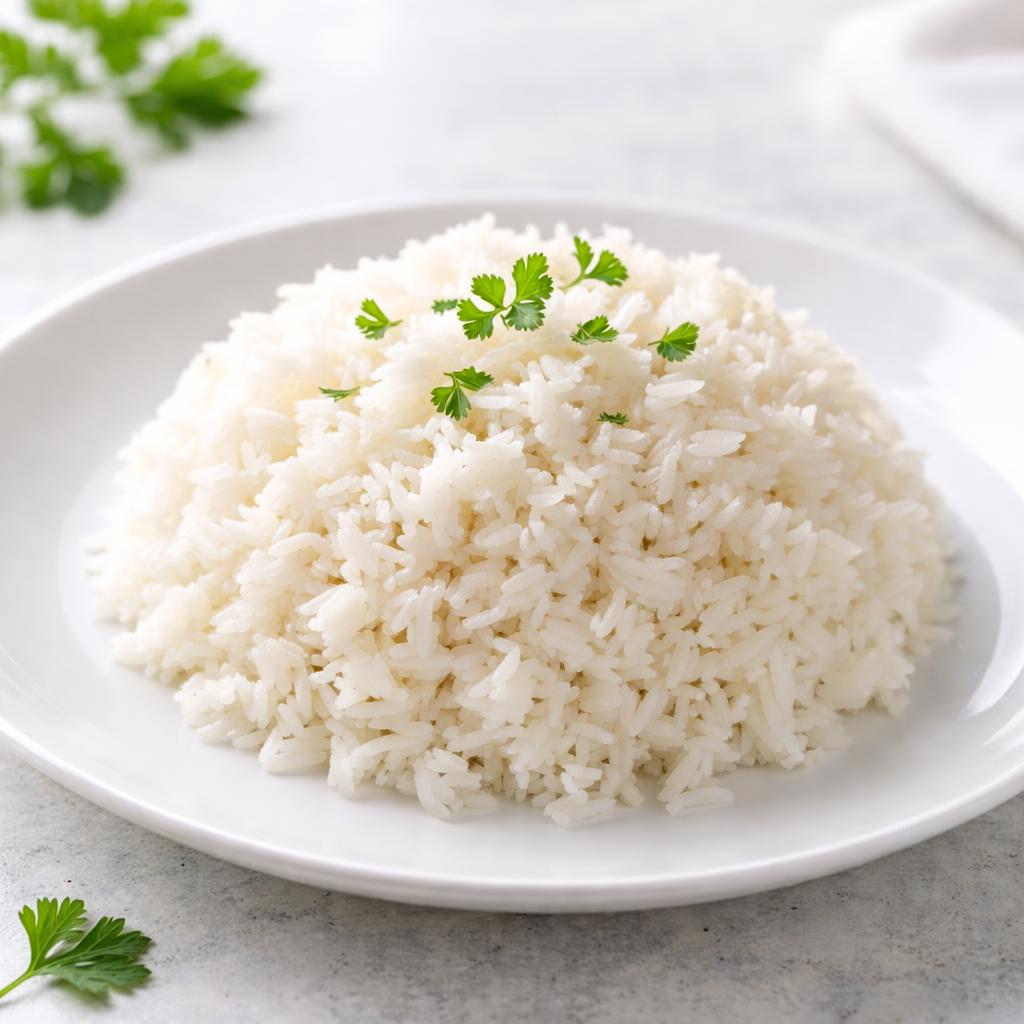
White Rice
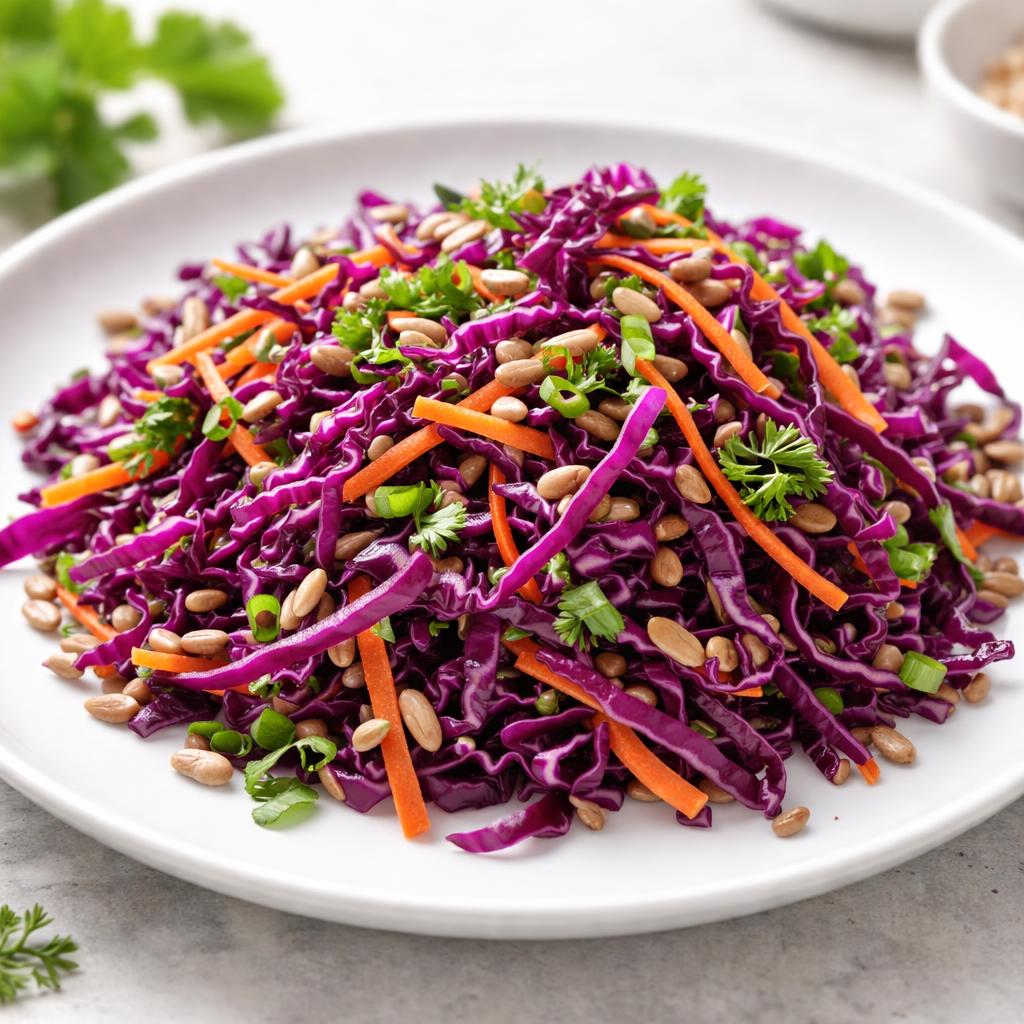
Red Cabbage Salad
🎯 Quick Verdict
Red cabbage salad significantly outshines white rice in terms of nutritional value. It is lower in calories, higher in protein, and an excellent source of fiber. White rice, on the other hand, serves as a quick source of energy with higher carbs but lacks substantial micronutrient density, making it less versatile for balanced diets.

Smart Nutrition Tracking with SnapCalorie

📊 Nutritional Comparison
Macronutrients
| Nutrient | Food 1 | Food 2 | Winner |
|---|---|---|---|
| Calories | 205 | 50 | ✓ |
| Protein | 4.3g | 1.3g | ✓ |
| Carbs | 45g | 12g | ✓ |
| Fat | 0.44g | 0.1g | ✓ |
| Fiber | 0.6g | 2.6g | ✓ |
Vitamins & Minerals
| Nutrient | Food 1 | Food 2 | Winner |
|---|---|---|---|
| Vitamin C | 0mg | 25mg | ✓ |
| Vitamin K | 0.1mcg | 35.6mcg | ✓ |
| Folate | 2mcg | 38mcg | ✓ |
| Calcium | 16mg | 40mg | ✓ |
| Iron | 0.2mg | 0.7mg | ✓ |
🏆 Category Winners
Protein
Red cabbage salad has comparable protein content but is more nutrient-dense overall.
Fiber
Red cabbage salad provides more fiber per serving, beneficial for gut health.
Calories
Red cabbage salad is significantly lower in calories than white rice.
Vitamins
Red cabbage salad is a richer source of vitamins like C, K, and folate.
🥗 Diet Compatibility
Keto
Food 1: Not Compatible
Food 2: Compatible
Food2 is low-carb and keto-friendly, while white rice is high-carb.
Vegan
Food 1: Compatible
Food 2: Compatible
Both are plant-based and suitable for vegans.
Gluten Free
Food 1: Compatible
Food 2: Compatible
Neither contains gluten.
Paleo
Food 1: Not Compatible
Food 2: Compatible
Food2 adheres to paleo principles, whereas white rice is excluded.
Low Carb
Food 1: Not Compatible
Food 2: Compatible
White rice contains high carbs (45g per serving), whereas red cabbage salad is low-carb.
💪 Health Benefits Comparison
Food 1 Benefits
- Quick source of energy due to high carbohydrate content
- Easy to prepare and digest
- Low in fat
Food 2 Benefits
- High in fiber for better digestion
- Rich in antioxidants like vitamin C for immune support
- Provides vitamin K for bone health
- Low in calories, ideal for weight management
✅ The Bottom Line
Food2 (red cabbage salad) is a superior choice over white rice for balanced nutrition, weight management, and ensuring adequate fiber intake. White rice may still be useful as a simple carb source for instances when immediate energy is required, such as during physical activity or post-workout recovery.
Choose Food 1 for: Quick energy, high-carb diets, simple meals
Choose Food 2 for: Weight management, gut health, nutrient density


