White Rice VS Red Bean Soup
A detailed nutritional comparison
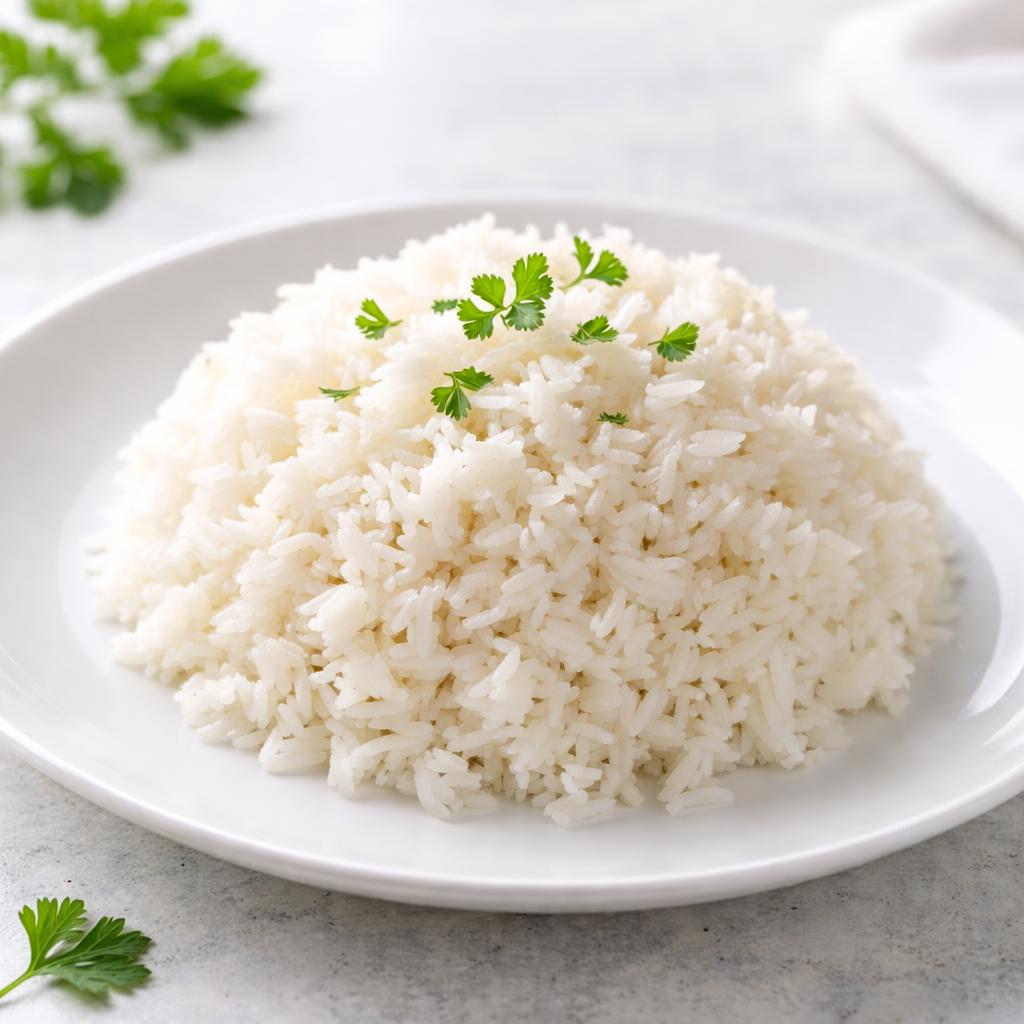
White Rice
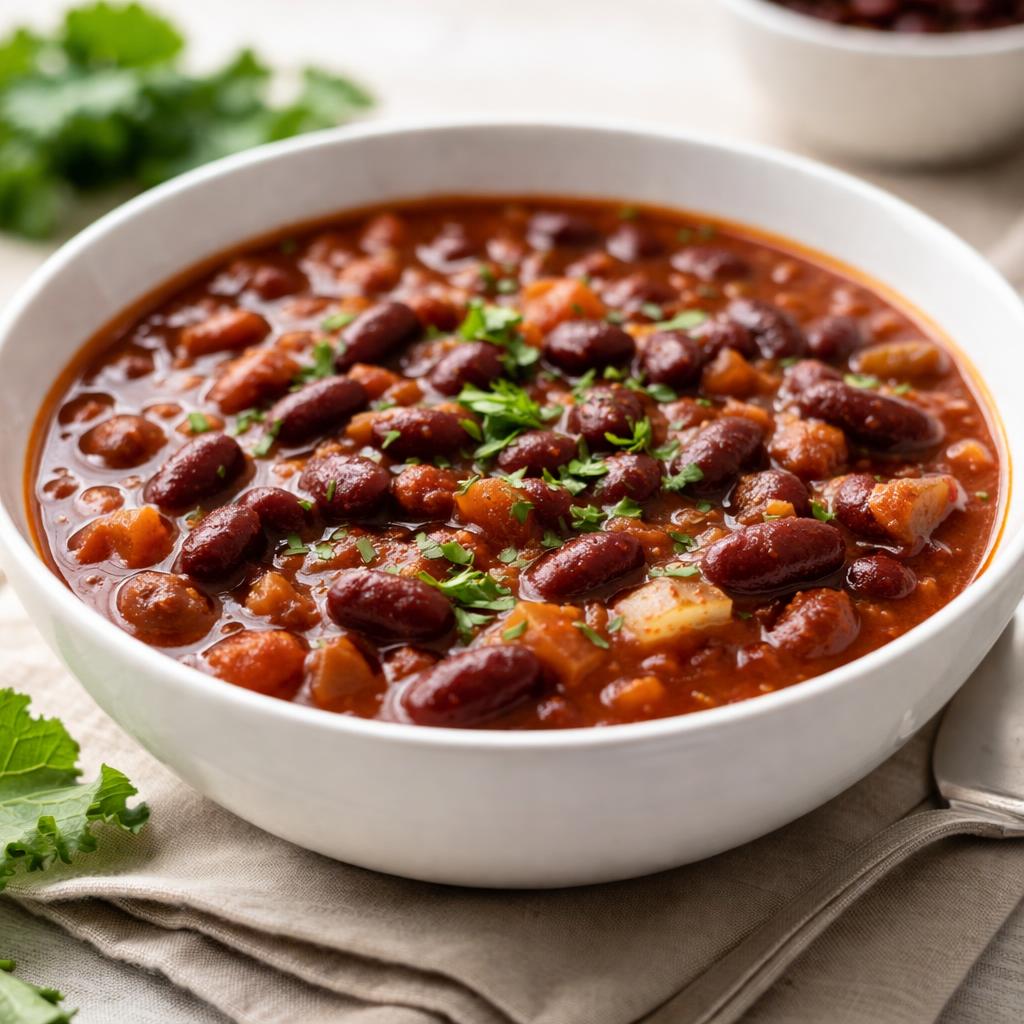
Red Bean Soup
🎯 Quick Verdict
Red bean soup is nutritionally superior overall, offering more protein, fiber, and micronutrients per serving. White rice is lower in calories and carbs, making it a lighter option. Red bean soup is best suited for those looking for a more nutrient-dense, filling meal, while white rice may fit better in low-calorie or quick energy diets.

Smart Nutrition Tracking with SnapCalorie

📊 Nutritional Comparison
Macronutrients
| Nutrient | Food 1 | Food 2 | Winner |
|---|---|---|---|
| Calories | 206 (per 1 cup cooked) | 150 (per 1 cup) | ✓ |
| Protein | 4.3g | 7g | ✓ |
| Carbs | 44.5g | 28g | ✓ |
| Fat | 0.5g | 1.5g | ✓ |
| Fiber | 0.6g | 5g | ✓ |
Vitamins & Minerals
| Nutrient | Food 1 | Food 2 | Winner |
|---|---|---|---|
| Vitamin D | 0mcg | 0mcg | − |
| Calcium | 16mg | 40mg | ✓ |
| Iron | 0.3mg | 2mg | ✓ |
| Potassium | 55mg | 400mg | ✓ |
🏆 Category Winners
Protein
Red bean soup has 63% more protein per serving compared to white rice.
Fiber
Red bean soup provides 8 times more fiber per serving than white rice.
Calories
While white rice has slightly fewer calories overall, red bean soup is lower in calories considering nutrient density.
Vitamins
Red bean soup is richer in iron, potassium, and calcium compared to white rice.
🥗 Diet Compatibility
Keto
Food 1: Not Compatible
Food 2: Not Compatible
Both foods are high in carbs and not suited for keto diets.
Vegan
Food 1: Compatible
Food 2: Compatible
Both foods are plant-based and fully vegan.
Gluten Free
Food 1: Compatible
Food 2: Compatible
Neither contains gluten and is safe for gluten-free diets.
Paleo
Food 1: Not Compatible
Food 2: Not Compatible
Neither food fits paleo due to the high carb content and legumes being off limits.
Low Carb
Food 1: Not Compatible
Food 2: Less Compatible
White rice and red bean soup are both high-carb and not ideal for low-carb diets.
💪 Health Benefits Comparison
Food 1 Benefits
- Quick energy boost from its high carb content
- Low fat content for lighter calorie intake
- Easy to digest and versatile as a staple food
Food 2 Benefits
- High in protein to support muscle recovery and maintenance
- Rich in fiber to aid digestion and improve satiety
- Contains iron and potassium for better cardiovascular health
✅ The Bottom Line
Red bean soup has a clear edge in nutritional density with more protein, fiber, and critical vitamins. However, white rice shines for its simplicity, quick energy, and low-calorie profile. Choose red bean soup for a balanced, filling meal and white rice for a lighter option or as an energy booster.
Choose Food 1 for: Quick energy, light calorie diets, versatile meal base
Choose Food 2 for: Balanced nutrition, satiating meals, high-protein diets


