White Rice VS Raw Carrot
A detailed nutritional comparison
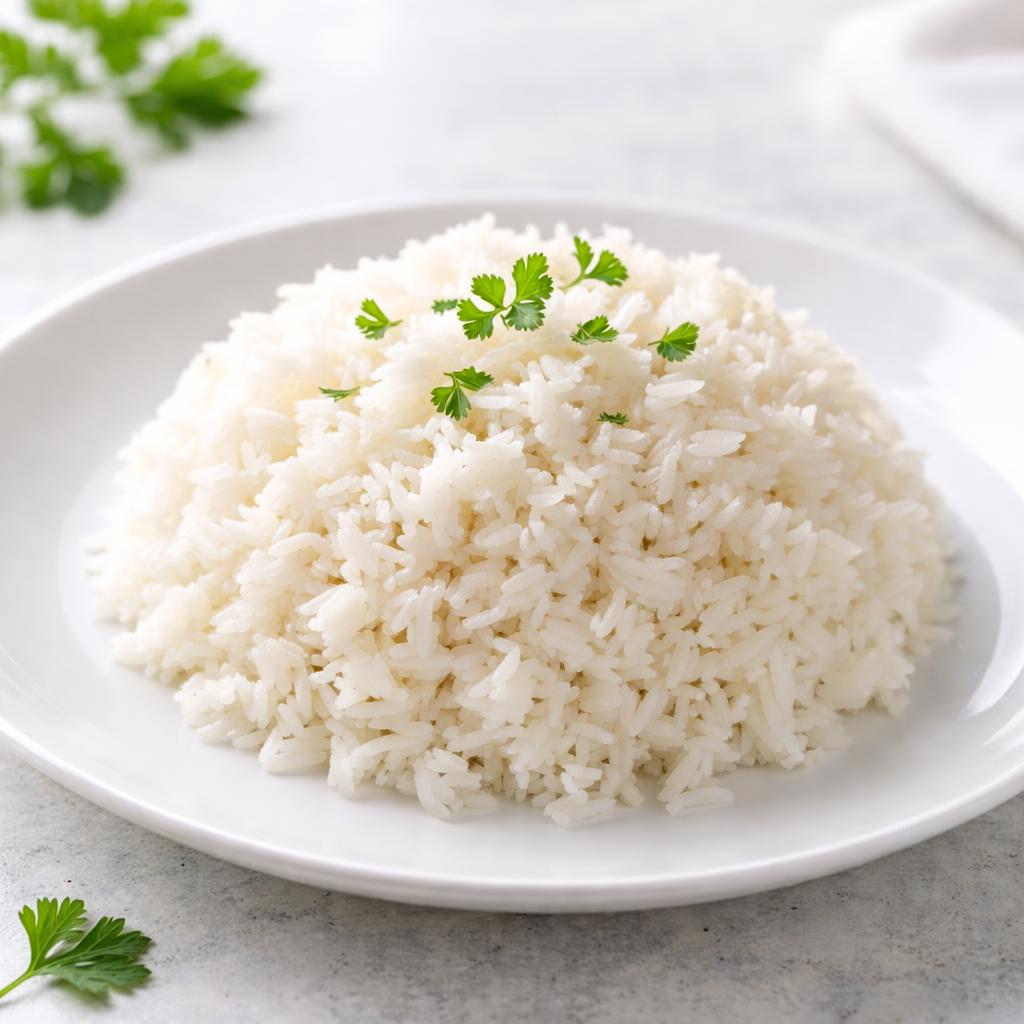
White Rice
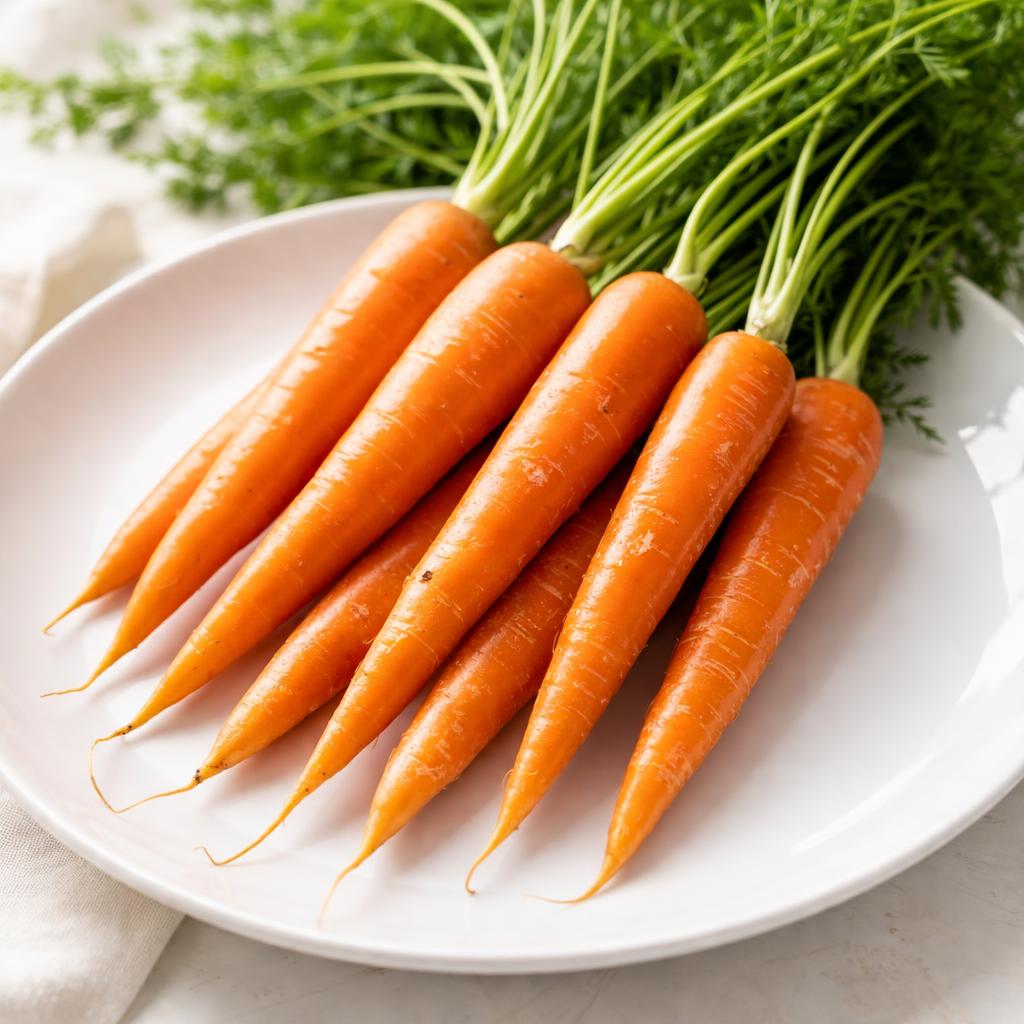
Raw Carrot
🎯 Quick Verdict
White rice is a calorie-dense carbohydrate source with more protein but very little fiber compared to raw carrots. Raw carrots are significantly lower in calories, rich in fiber, and packed with vitamins, making them ideal for nutrient-dense, low-calorie diets. White rice is better suited for energy and quick absorption, while carrots excel in sustained nutrition and digestive health.

Smart Nutrition Tracking with SnapCalorie

📊 Nutritional Comparison
Macronutrients
| Nutrient | Food 1 | Food 2 | Winner |
|---|---|---|---|
| Calories | 200 | 41 | ✓ |
| Protein | 4.3g | 0.9g | ✓ |
| Carbs | 44.5g | 9.6g | ✓ |
| Fat | 0.5g | 0.2g | ✓ |
| Fiber | 0.4g | 2.8g | ✓ |
Vitamins & Minerals
| Nutrient | Food 1 | Food 2 | Winner |
|---|---|---|---|
| Vitamin A | 0mcg | 835mcg | ✓ |
| Vitamin C | 0mg | 5.9mg | ✓ |
| Potassium | 55mg | 320mg | ✓ |
🏆 Category Winners
Protein
White rice contains almost five times more protein than raw carrots.
Fiber
Raw carrots offer seven times more fiber per serving than white rice.
Calories
Raw carrots are lower in calories, with just 41 per serving compared to 200 for white rice.
Vitamins
Raw carrots are rich in Vitamin A, Vitamin C, and potassium, whereas white rice provides very minimal micronutrients.
🥗 Diet Compatibility
Keto
Food 1: Not Compatible
Food 2: Compatible
Food2 is keto-friendly due to its very low carb content.
Vegan
Food 1: Compatible
Food 2: Compatible
Both foods are plant-based and vegan friendly.
Gluten Free
Food 1: Compatible
Food 2: Compatible
Neither contains gluten.
Paleo
Food 1: Not Compatible
Food 2: Compatible
Food2 falls under paleo guidelines, while white rice is excluded from paleo diets.
Low Carb
Food 1: Not Compatible
Food 2: Compatible
Food2 is better for low-carb diets; white rice is high-carb.
💪 Health Benefits Comparison
Food 1 Benefits
- Provides quick energy from carbohydrates
- Easily digestible, suitable for sensitive stomachs
- Can be fortified with additional nutrients like B vitamins
Food 2 Benefits
- Rich in Vitamin A for eye health and skin maintenance
- High in fiber for improved digestion and satiety
- Low calorie and nutrient-dense, ideal for weight management
- Contains antioxidants that may help reduce inflammation
✅ The Bottom Line
Raw carrots are the better choice for nutrient density, low-calorie diets, and promoting digestive health. White rice serves well for quick energy, post-workout carb replenishment, or as a base for meals. The choice depends on your dietary goals—carrots are best for health-focused eating, while rice is ideal for energy-centered meals.
Choose Food 1 for: Energy-dense meals, post-workout carb replenishment, sensitive stomachs
Choose Food 2 for: Low-calorie diets, improved fiber intake, general nutrient density


